Looking back on his career, Bill Tweddell says he could never have imagined where his JCU studies would take him.
It is a sentiment that feels almost understated for a man whose career has spanned four decades of Australian diplomacy, postings across Asia and Europe, and culminated in returning home to serve as Chancellor of James Cook University, the very institution where his journey began.
A trained mind, shaped in the tropics
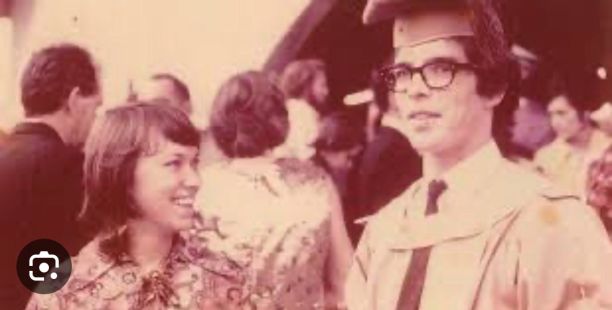
Bill arrived at what was then the University College of Townsville in the late 1960s, part of a young institution finding its feet in the North.
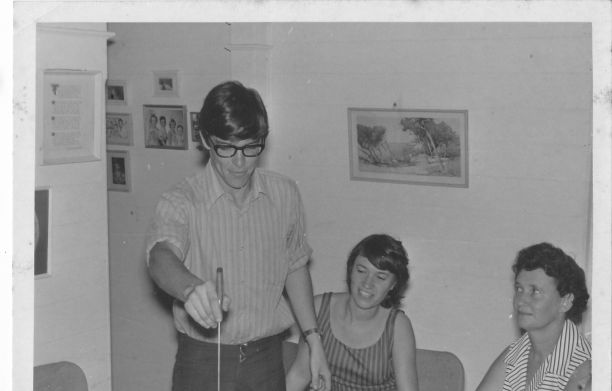
Back then, getting to lectures often meant wandering along bushland paths, past wallabies, scrub turkeys and open lawns, with the library sitting at the heart of campus life. Bill worked there too and later in the Administration, juggling these roles while completing his studies part‑time – an experience that grounded him early in how institutions actually function.
He completed degrees in Arts and Economics, not with a fixed plan to become a diplomat, but with what he now recognises as something far more enduring.
“What Foreign Affairs were really looking for was a trained mind – someone who could analyse, look for facts, structure arguments and put personal preference aside.”
Those skills, honed at JCU, would prove invaluable.
Communicating with influence
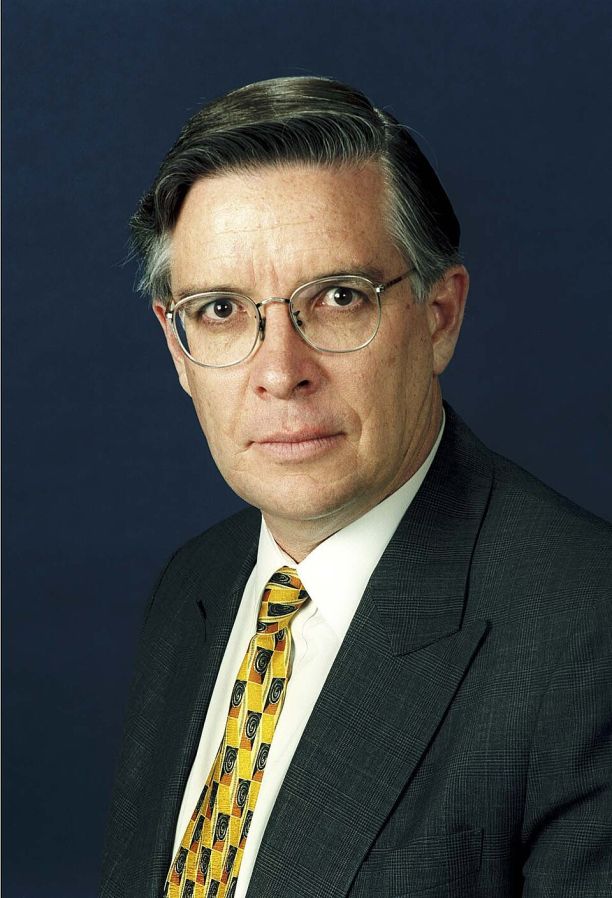
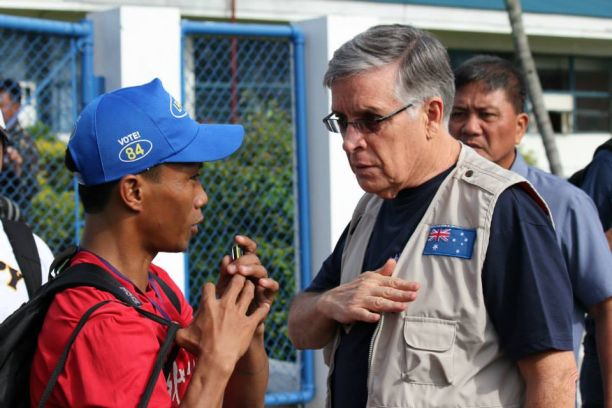
Bill joined Australia’s diplomatic service in 1976. Over the next 40 years, he served overseas in Bangladesh, Greece, India, Sri Lanka, Hong Kong, the United Kingdom, Vietnam and, finally, as Australia’s Ambassador to the Philippines – plus in senior roles in Canberra.
His view of diplomacy has always been clear‑eyed.
“Diplomacy isn’t about being nice to everyone. It’s about communicating with influence to advance the national interest.”
That philosophy translated into outcomes with real‑world impact.
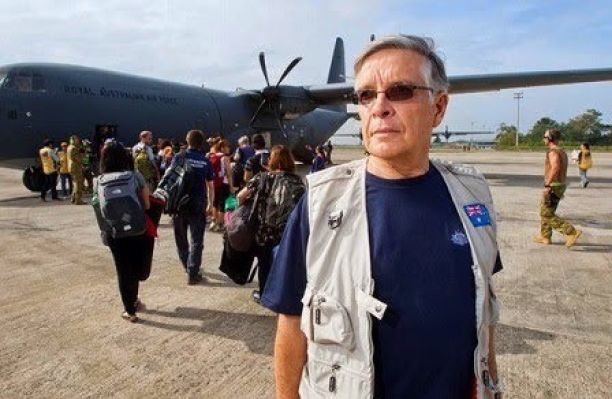
His work contributed to the repatriation of the remains of Australian service personnel from Vietnam, providing long‑awaited closure for families, moments he describes as among the most meaningful of his career. He also played a central role in Australia’s outstanding response to the devastation of Super Typhoon Haiyan in the Philippines in 2013.
Standing by values
Throughout his diplomatic life, Bill was often operating in environments with no perfect choices, only difficult trade‑offs.
One defining moment came during the aftermath of the Dili massacre in Indonesia when he was acting head of the responsible Branch of DFAT.
“All you can do is give honest advice,” he says simply.
That commitment to integrity became a hallmark of his career.
“I never had to lie abroad for my country (to paraphrase Sir Henry Wotton’s famous 17th Century epigram). Once you lose your reputation for honesty, you might as well give the game away.”
It is a principle he carried into every role, from advising ministers at the highest levels to representing Australia overseas.
Seeing India clearly
Another achievement that gives Bill deep satisfaction unfolded over many years rather than in a single moment.
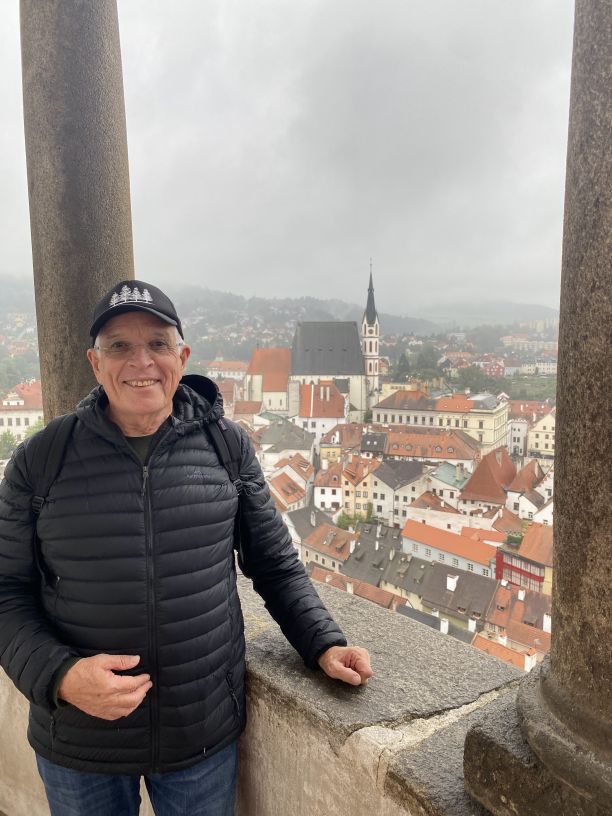
Early in his career, and later as Deputy High Commissioner in New Delhi, he became convinced that Australia underestimated India’s strategic importance.
He stayed in India far longer than planned – four and a half years instead of two – arguing from post and within Canberra for deeper engagement, senior oversight and a stronger bilateral relationship.
“To see Australia ultimately adopt an approach to India of the depth that we’d argued for was very gratifying.”
Today, Australia and India’s partnership, including their shared role in the Quad, reflects that long‑term shift.
Family at the centre
For all the international travel and responsibility, Bill is quick to say that none of it happened in isolation.
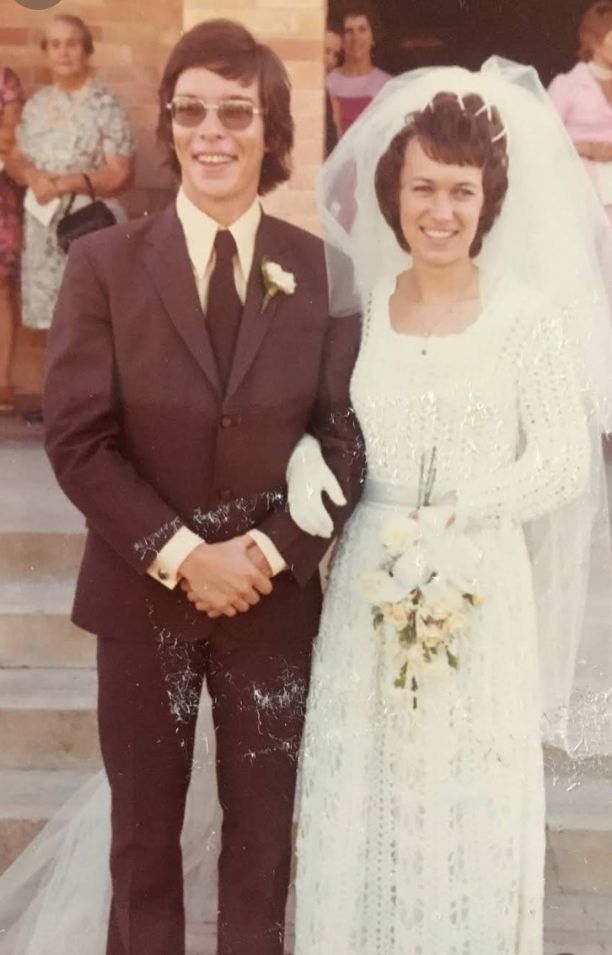
Diplomatic life placed heavy demands on family, including long separations and frequent moves. His wife Chris, also a JCU alumna, carried much of that load.
“I was enormously lucky to have such a supportive wife,” he says. “That made everything else possible.”
Their sons, whom Bill describes as his greatest achievement, grew up across countries and cultures, an experience Bill believes shaped their deep commitment to family, tolerance and respect for others.
Coming home to lead
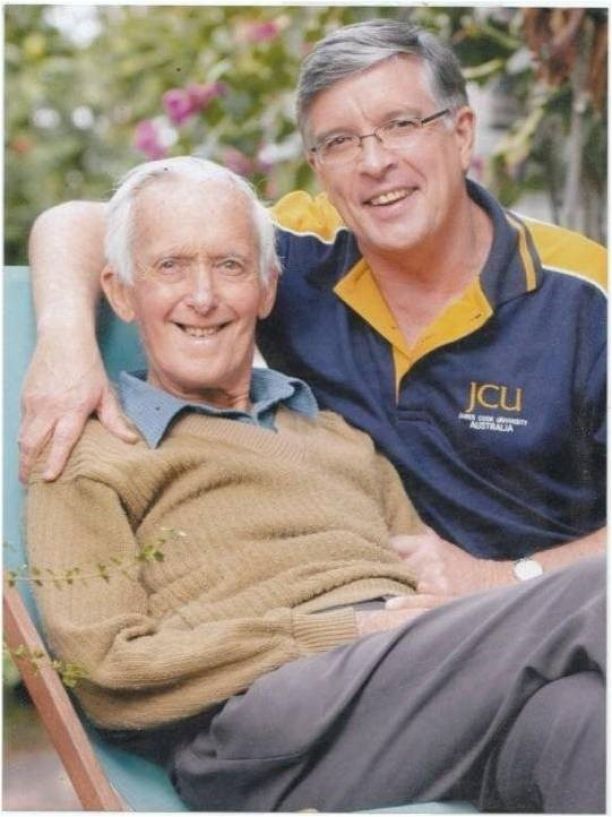
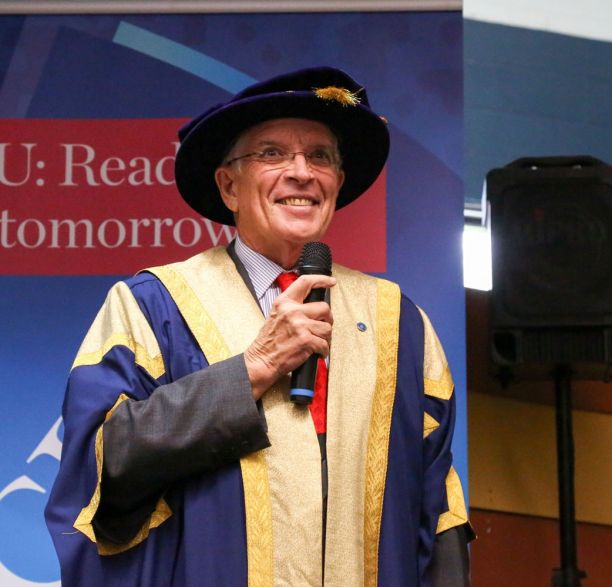
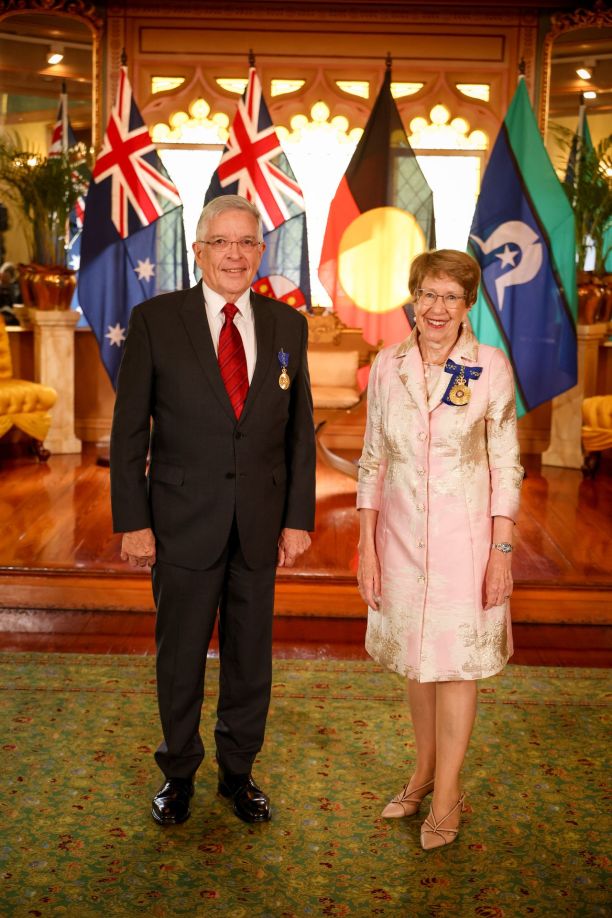
After four decades representing Australia abroad, Bill returned to Townsville in 2016 to take on the role of Chancellor of James Cook University.
The transition brought new challenges – and new levers for change.
When he began, the University Council was large, unwieldy and lacked gender and Indigenous representation and an appropriate balance of skills. Under Bill’s leadership, governance was reformed to create a smaller, more diverse and more effective Council.
“If I left that role without improving Indigenous representation and gender equality, then I would have failed.”
He also led University governance through confronting issues around sexual assault and institutional culture, insisting on transparency, independent review and long‑term reform.
The enduring purpose of regional universities
Ask Bill what JCU ultimately stands for, and his answer comes quickly.
“Regional universities change lives – particularly for women, Indigenous Australians, and first‑in‑family students.”
He points to the University’s role in shaping leaders, advancing Indigenous rights and providing opportunity across northern Australia.
“If we don’t get it right for these key groups at JCU, then who will?”
For Bill Tweddell, JCU was the place that gave him a trained mind, a moral compass and a sense of purpose, tools he carried onto the world stage and then brought home again.