A "once-in-a-lifetime" opportunity
For JCU Engineering Student Grace Poole, an opportunity that began with a lecturer sharing a link became a trip to the other side of the world and a glimpse into where a career in engineering could take her.
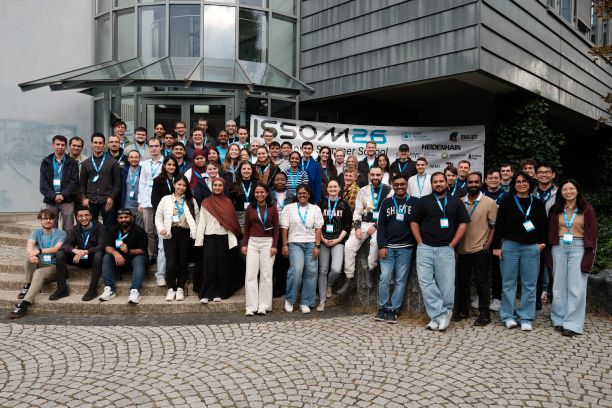
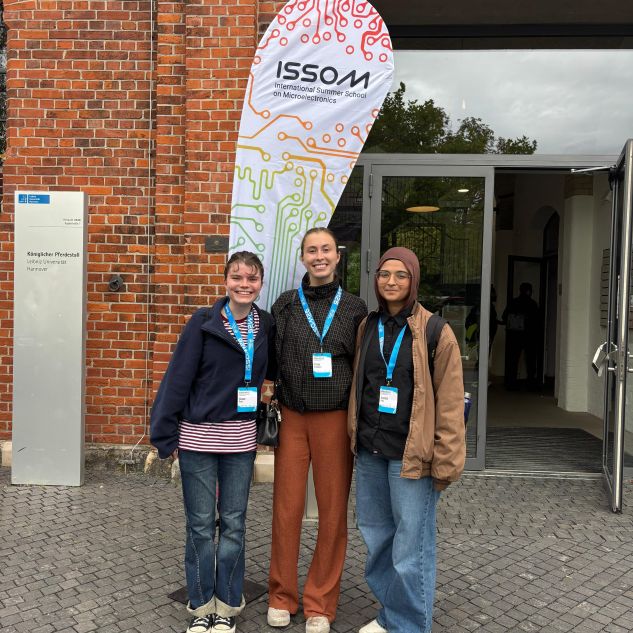
The third-year Electrical Engineering student travelled to Hanover, Germany, to attend the 2026 International Summer School on Microelectronics (ISSOM). Held at Leibniz University Hannover, the annual event included academic and industry experts from around Europe exploring real-world applications of microelectronics across areas including healthcare, artificial intelligence and automotive technology.
Grace joined students, researchers and industry experts as they discussed and demonstrated the technology behind the microchips that power our everyday objects, from microwaves and car keys to TV remotes and smartphones.
Find out how a simple exchange with her lecturer took Grace from regional North Queensland to being the only international attendee at a major program in Germany.
How did you find out about the International Summer School on Microelectronics?
One of my lecturers shared it with us and encouraged everyone to apply. I thought, “why not”? I didn't have anything else I'd be doing during the holidays that would be this cool, so the idea of going to Germany and doing something I'm interested in sounded amazing.
When they called to tell me I'd been selected, they were surprised I was from Australia. It was only the second year they had run the program, and I was the first person to apply from the other side of the world. They were asking, "How did you even find out about this?"
How did it feel knowing you were going to Germany?
At first, I was just really excited. I thought, “this is a once-in-a-lifetime opportunity. I have to go and do it”. Then, as it got closer, I started thinking, "Oh no, I'm actually going to a foreign country by myself"! I hadn't been to Europe before, so suddenly I was thinking about the long flight and navigating all the transport.
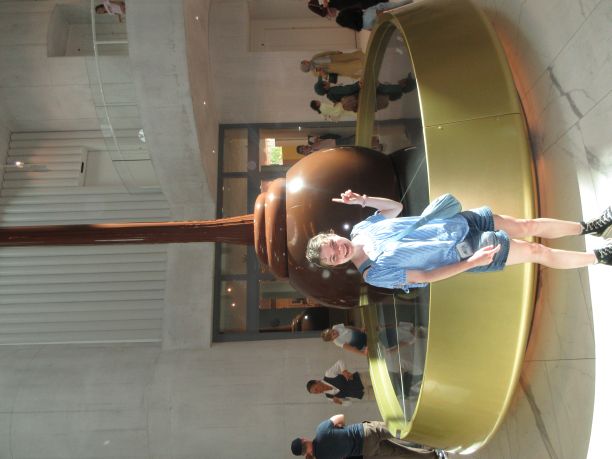
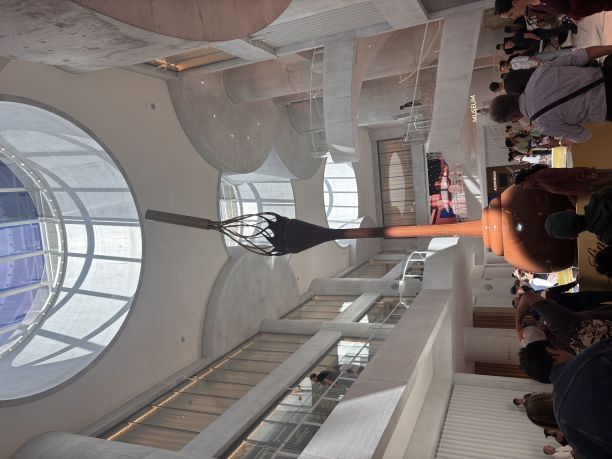
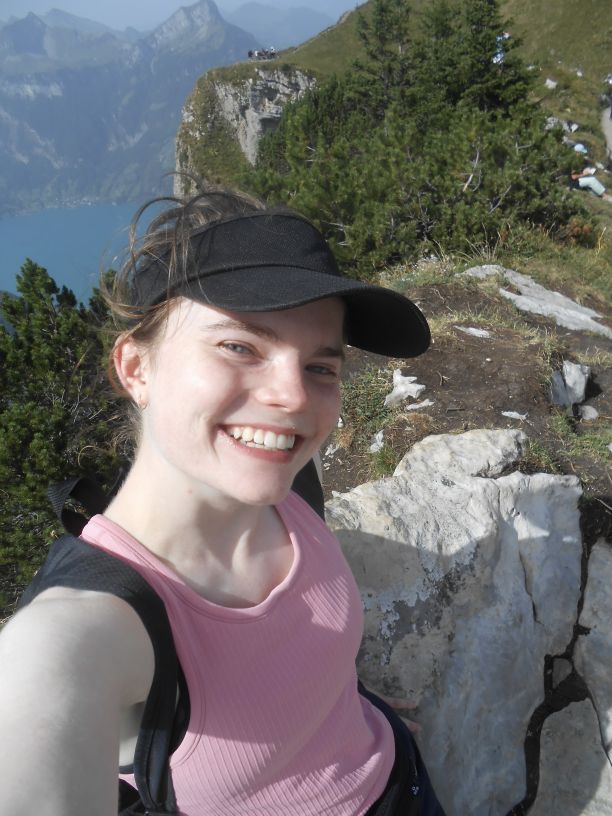
But once I arrived, everyone was really nice. You could just go up and say hi to anyone. I also made the most of being in Europe and went to Switzerland and hiked through the Swiss Alps, which were gorgeous, and I went to the Lindt Factory as well.
What was the summer school like?
We had lectures from PhD students, so the topics were sometimes really specific rather than covering engineering broadly. We also did workshops with coding and new programs that are being developed, and we got to test some of those out.
As an undergraduate, sometimes the topics went a little over my head because there weren't many undergraduates there. But everyone was so passionate about what they were doing. There was also a poster session where you could speak to people about their PhDs and their research.
One of the PhD lectures was on extracting energy from thermal, so he would basically stick two giant rods into the ground and get energy that way, which was pretty cool! There’s just so much new technology over there. Germany is basically the place for engineering.
Was there anything you learned about microelectronics that really surprised you?
Well, microelectronics are basically in every appliance you own, and they're designed specifically for what that product needs to do. Meaning that there is no universal microelectronic board. If you need one for a product or device, you have to design it yourself, which I think is really cool.
One of the ISSOM sessions was about biomedical microelectronics. They were looking at tiny devices that could move through veins to unclog them, which felt so sci-fi, but it's something people are actually working on now. That's the thing about microelectronics – you can basically do anything with it.
Did the experience change how you think about your future as an engineer?
It gave me a new outlook on what I could do as an engineer. Sometimes, especially in Queensland, it can feel like you're going to get funnelled towards mining. It was really interesting to see all these different avenues I could take and to realise I could potentially go overseas and build a career there.
People from Leibniz University and from the some of the companies present at the summer school were encouraging me to do a Master’s there. I also spoke to people from Infineon while I was there, and they want a diverse workforce with different cultures and perspectives. I could see myself applying for a role there towards the end of my degree.
What gave you the confidence to take an opportunity so far outside your comfort zone?
You only get to live once, and you don't necessarily expect to get opportunities like this when you're studying at a regional university.
Being selected made me think, “actually, I'm getting a good-quality education here if I'm being picked for these opportunities”. I was fortunate enough to be able to go, so I thought, why not take it?

What have you enjoyed about studying Engineering at JCU?
I really like having in-person lectures because you can actually talk to your lecturers. I'm not intimidated to go up and speak with them because they're happy to help whenever they can. Having some of the same lecturers for multiple years also means you can build that relationship with them. It’s because of my lecturer that I even had the opportunity to go to ISSOM.
The lecturers and staff have been the best part. They care so much about us and about helping us get through the degree while still getting a quality education. The lab technicians have been a huge help too, especially when you keep blowing up capacitors and have to go back and ask them for another one!
What is the practical experience of JCU Engineering like?
The electrical lab at the Engineering and Innovation Place is really good, and the workshop is probably one of my favourite parts.
Last trimester, we did a project where we built an automated bike with a safety system that could detect hazards. I worked more on the computer vision side, where the system could detect people and cars. We also used an accelerometer to detect if the bike was tipping over, and it could automatically turn off the indicators.
Our lecturer told us to put plenty of features on the bike because some of them would probably break. But none of ours did!
What's helped you most throughout your Engineering degree?
Definitely my peers. I think it would be very hard to get through engineering without strong bonds within your cohort.
You learn from your lecturers, but you also learn so much from talking to your peers and asking, "Did you understand this?" Sometimes they'll say no, and at least you know you're not the only one who's lost!
We've become really close-knit, and I think the small class sizes help with that. It's easy to talk to everyone and get to know each other.
Looking back on your degree so far, what has stood out to you the most?
For me, it's definitely the people. They really care that we get through.