Urgent action needed to combat coastal degradation
JCU researchers are calling for urgent action to reverse severe environmental degradation of Townsville’s coast, with a new study revealing a nearly 90 per cent decrease in water clarity in the region’s waters since the 1960s.
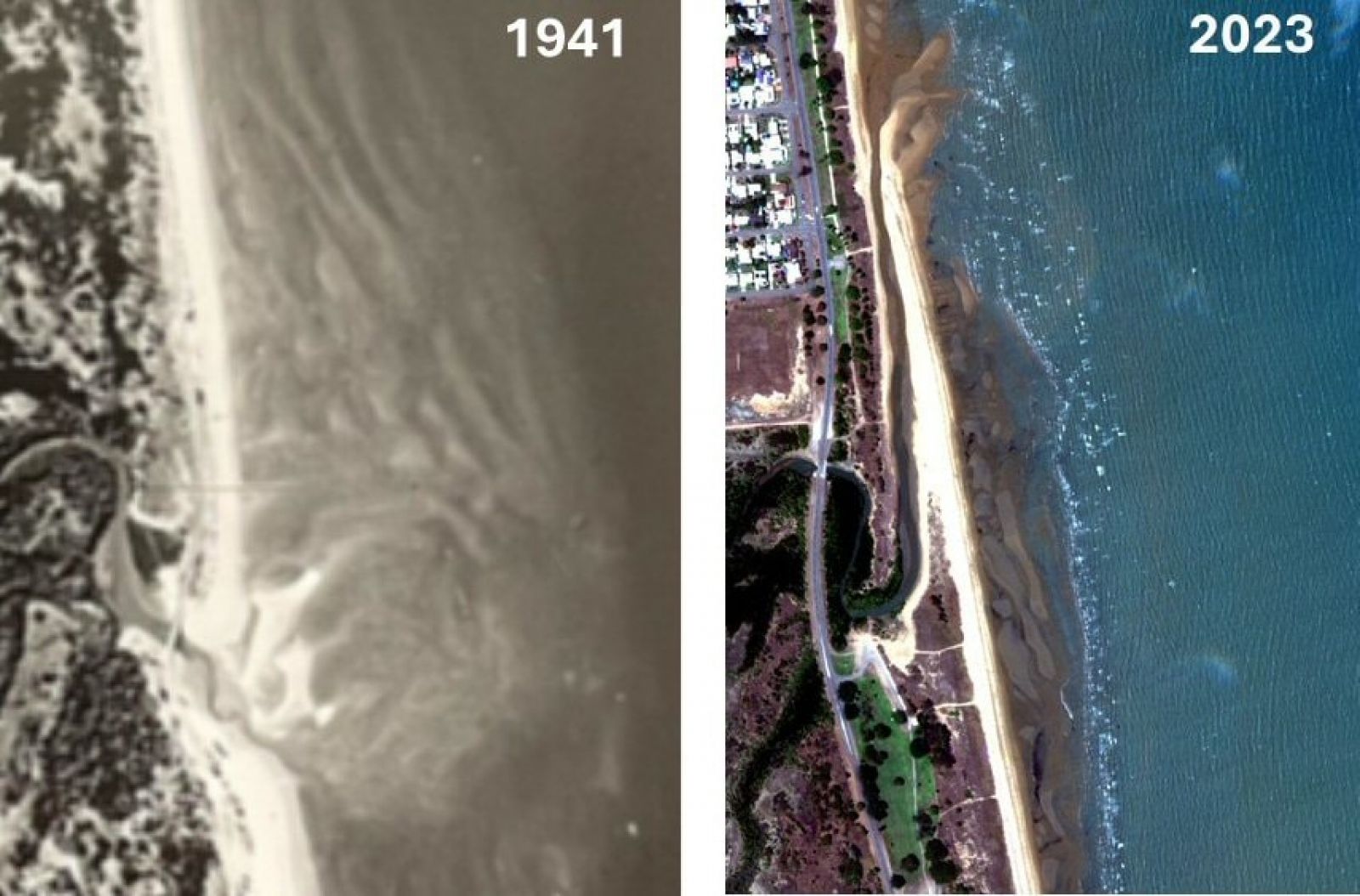
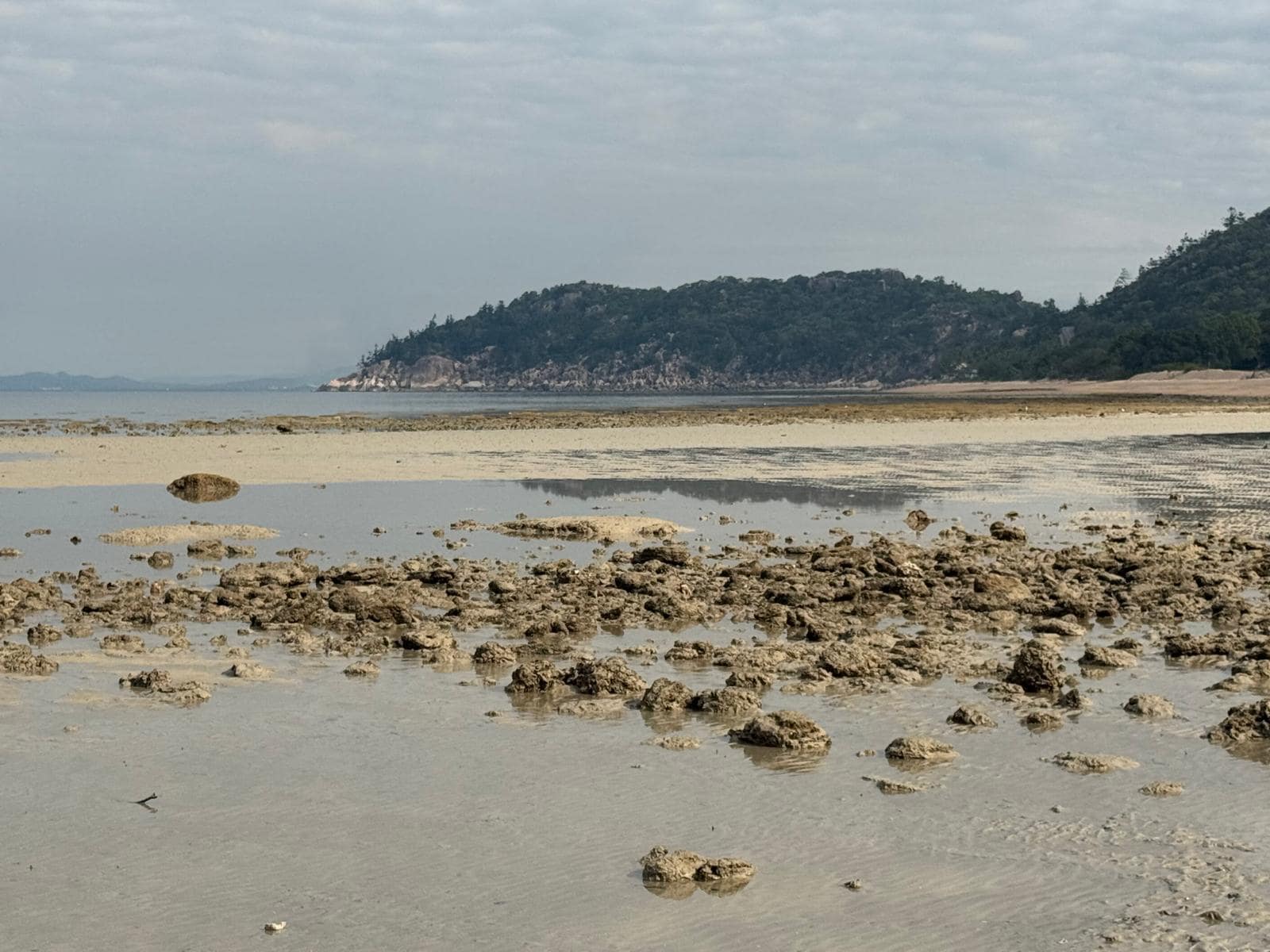
The finding is detailed in an open access, peer-reviewed paper which highlights many other signs of degradation, including coral reefs in bays of Magnetic Island mostly becoming coral rubble, and historically sandy beaches on the island’s south coast turning to muddy mangrove habitats.
It also shows evidence of severe coastal erosion issues from the Strand to Pallarenda, and a huge decrease in the local population of dugongs.
Research lead author and JCU Adjunct Professor Eric Wolanski said a solution must be found to recover a healthier environment, as current management solutions are not preventing this rapid degradation.
"We know from data collected in and around Magnetic Island that even in the south easterly wind, the water visibility was on average eight metres in the 1960s. Now, the water visibility is commonly less than one metre,” he said.
“This turbidity is due to mud that is coming from somewhere, and my work would suggest that is due to the Port of Townsville that dumps 400,000 cubic metres a year of unconsolidated mud in the bay.
“That mud is unconsolidated, which means it is easily re-suspended, as opposed to the original consolidated mud that is quite stable on the seafloor. The mud also affects the coral reef and the seagrass meadows in the bay. “
Professor Wolanksi said solutions for these problems exist and have been adopted successfully at several major ports across Europe and the United States, while calling Townsville’s current approach to this problem ‘very backwards’.
"What is adopted in Europe and in the US with some ports is to bring back the dredged sediment on land or build a seawall near the shore and put the mud in a safe place from where it does not disperse,” he said.
“It is due to the way we manage our coastal waters here in Townsville, whereby all the stakeholders are not involved in decision making.
“We need to evaluate the cost effectiveness of practical solutions. For that, we need to evaluate in dollar terms the value of the ecosystem services that the bay provides, and look at how much it is being affected by the turbid water.
“That value can then be compared to the cost to bring that mud on land or behind sea walls.”
Prof Wolanski also pointed to boat strikes on dugongs and turtles and coastal erosion from the Strand to Pallarenda as other concerning issues.
To solve them, he urged major players like the Port of Townsville, Townsville City Council and other government agencies to collaborate and adopt science-based solutions to recover healthier environments. Several such solutions are proposed in the paper.
“They are nature-based solutions combined with green engineering and hydrotechnical solutions,” he said.
“It will likely not be possible to restore Cleveland Bay to its semi-pristine status from the 1960s. However, we can still restore a healthy ecosystem using these principles.”
Contacts
Media enquiries: rohan.oneil@jcu.edu.au