Groundwater methane: a secret supplier of carbon emissions
Groundwater flowing into rivers, lakes and wetlands may be releasing far more methane into the atmosphere than scientists realised, according to new James Cook University-led research.
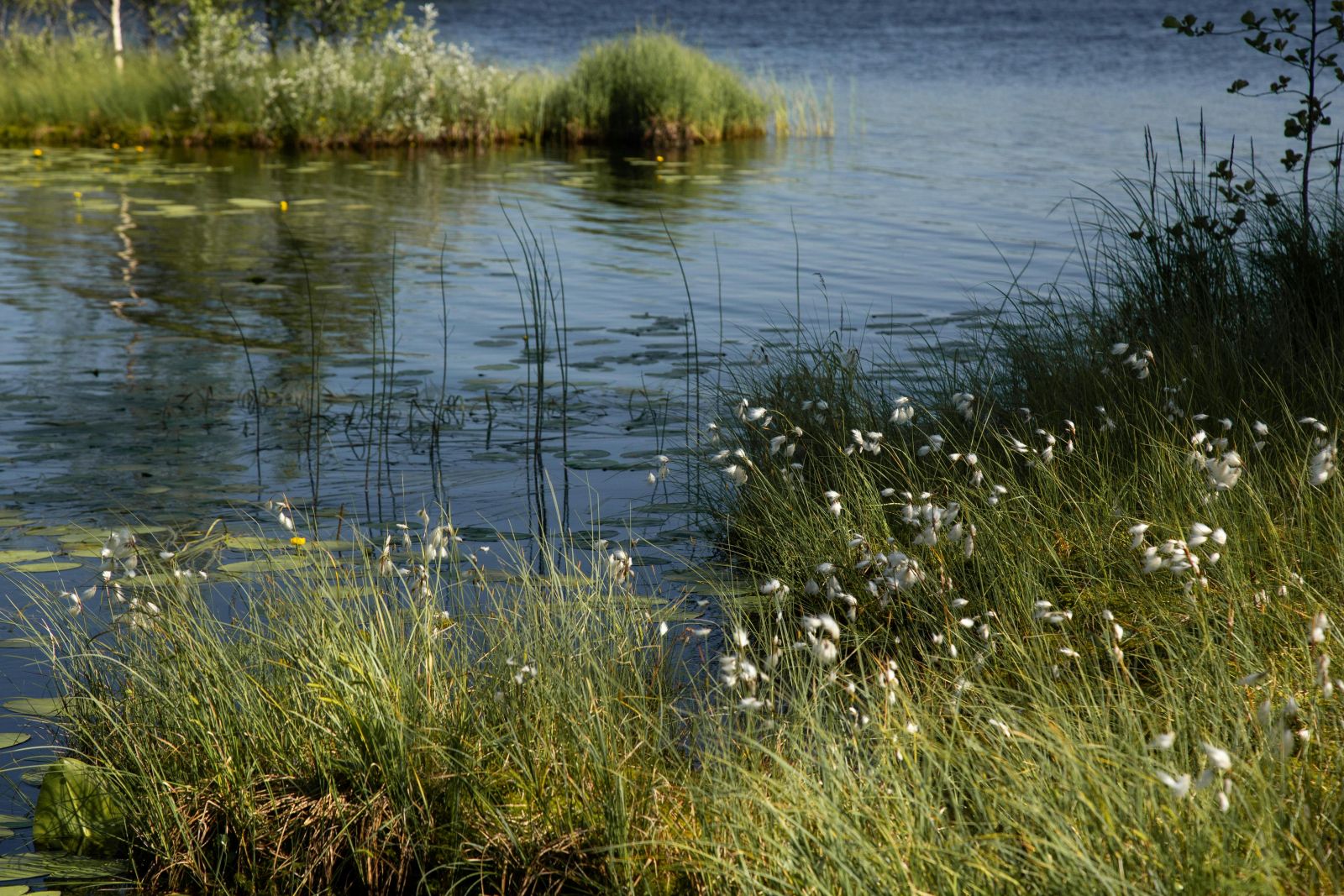
This first study to quantify global groundwater-driven methane fluxes suggests current climate models may be underestimating a major pathway for methane emissions, highlighting an urgent need to include groundwater in global carbon budgets and climate forecasts.
The research, recently published in Earth Systems and Environment, has found that, globally, groundwater discharge may account for up to 70% of methane emissions from surface waters to the atmosphere.
“We did not think groundwater’s contribution was going to be so high,” says researcher Dr Mahmood Sadat-Noori from James Cook University, who explains that groundwater is an underestimated contributor to carbon emissions because it is hidden from sight.
“In low oxygen environments underground, bacteria break down organic matter and produce methane, which is dissolved into groundwater and then discharged into surface waters, like wetlands, lagoons, streams. From there, it can go into the atmosphere.”
“These are natural processes happening, but they’re not as visible as, say, a black plume of smoke emitting carbon gases from a forest fire. So, our research is trying to make the invisible, visible,” he says.
By synthesising available global data on groundwater methane concentrations, groundwater discharge rates and environmental factors across a range of surface-water environments, the researchers were able to quantify groundwater methane fluxes and discover that groundwater may account for up to 70% of methane emissions from surface water environments around the world.
This is a major revision to how one of the world’s most powerful greenhouse gases can be transported from underneath the ground, and researchers further discovered that in some subarctic and temperate regions, groundwater-driven methane fluxes can exceed surface water to atmosphere emissions by up to six times.
“We’d like groundwater discharge to be recognised as an important pathway, a significant contributor to methane emissions,” says Dr Sadat-Noori, as the role of groundwater discharge in methane budgets has been largely overlooked.
He urges that to further advance what is known about the role of groundwater in the global carbon cycle more research is needed from around the world.
“We found that around 50 per cent of studies were done in the US, 20 per cent in Australia and then the rest were done in Europe,” he says, “But there’s been limited studies in places like South America, continental Africa and the Middle East, for example.”
“So, we’ve identified a huge gap and scarcity of data that calls for more research in this space to have a better representation of all the graphical locations.”
“For mitigation strategies we need to have an accurate budget of carbon, including methane, if we’re going to develop strategies that will help reduce these emissions.”