Dietary advice leaves a ‘bitter’ taste
New research investigated the dietary preferences of nine thousand Australians, finding people with diets that included foods with higher levels of ‘bitterness’ had healthier and more nutritional diets.

Researchers published their findings in the journal Nutrition Research - determining that older Australians and Australians from rural and regional areas had diets with significantly higher levels of bitterness than younger Australians and city-dwellers.
Bitterness is one of the five basic food tastes, along with sweetness, sourness, saltiness and umami.
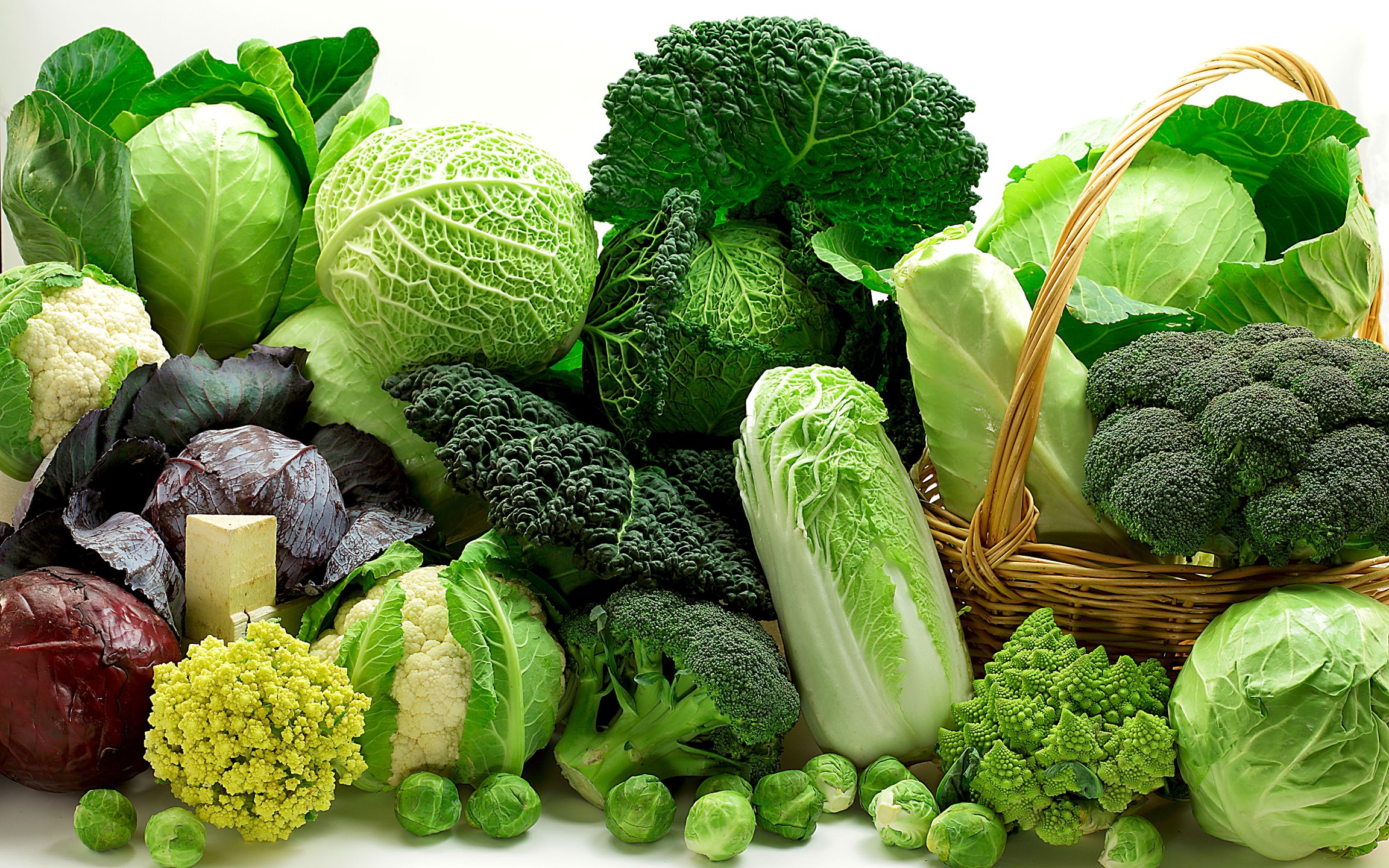
The CSIRO’s Sensory Diet database was used to define the bitterness profiles of 5600 Australian food and drink items, including products with bitter flavour profiles such as coffee, tea, cabbage, broccoli, lettuce and even milk.
The paper’s first author and JCU research officer Dr Zinat Mohammadpour commenced this research as part of her PhD at Adelaide University.
Dr Mohammadpour explained that it’s important to have a simple message, and that simple diet and lifestyle advice - like 10,000 steps a day - was often the most effective in driving improved health outcomes.
“In our research we found that more bitter diets were healthier and that the overall bitterness of a diet is a good indicator of the quality of a diet,” she said.
“But you don't need to eat intensely bitter foods. Our advice is to eat higher amounts of something that is a bit bitter, but also something that you can enjoy.
“For example, a bowl of salad is not intensely bitter, but if you eat more of it your diet will have more bitterness in it.”
Dr Mohammadpour explained that Australian diets were similar to other Western diets, having high levels of processed foods and low levels of vegetables and fruits.
“We have high rates of diabetes and cardiovascular disease, which are all related to poor nutrition and diet … most of these diseases are preventable,” she said.
“Australian diets have changed a lot since the 90s. Back then we ate less processed food and we didn't have as much sugar in our diets.
“One of the first things we advise to people with these conditions is to encourage a healthy diet. They say ‘you are what you eat’, and if you eat healthy you will feel healthy.”
Researchers used the Australian Bureau of Statistics’ National Nutrition and Physical Activity Survey - part of the Australian Health Survey, which collects the diet, health and demographic data of more than 25,000 households.
Dr Mohammadpour said they were confident that the data they used described the diet of all Australians, explaining that they distinguished between people with highly bitter diets, medium bitter diets and those with low levels of bitterness in their diets.
“The most important factor when it comes to having a more bitter diet was age. The older people get, the more bitter their diet was,” said Dr Mohammadpour.
“But for younger people, research shows what matters when it comes to dietary bitterness is having previous exposure to bitter foods.
“If you start with vegetables, they will eat more vegetables when they grow up … even a mother’s diet during pregnancy matters.’