New grant to examine how parasites can both damage and help our health
A James Cook University scientist has secured more than $2 million in National Health and Medical Research Council Investigator Grant funding to advance world-leading research on vaccines, diagnostics and next-generation biotechnology for helminth (parasitic worm) infections.
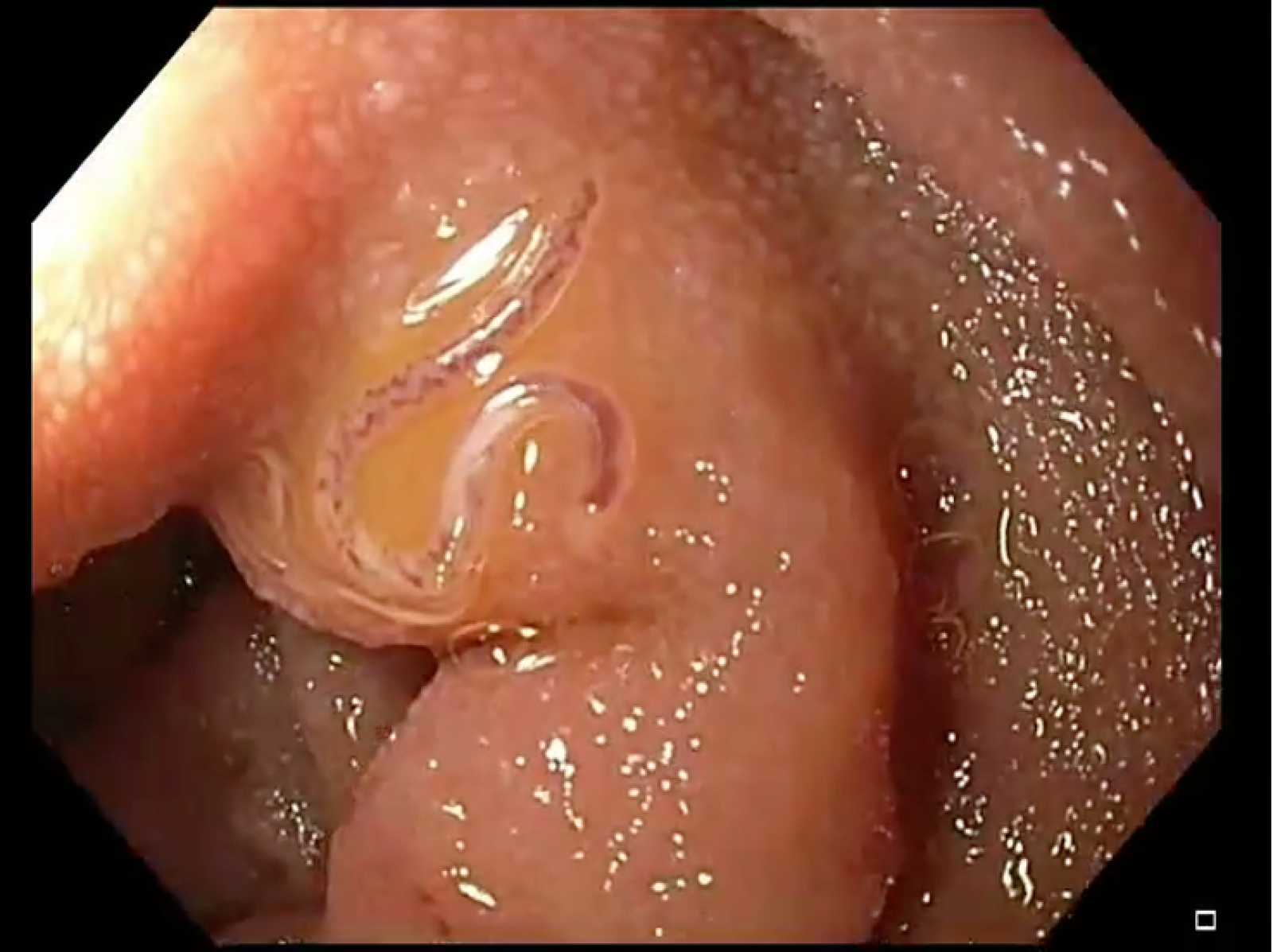
Professor Alex Loukas, Director of JCU’s Australian Institute of Tropical Health and Medicine, said the five-year grant will support two major research programs: the development of improved vaccines and diagnostics for globally important helminth diseases, and the creation of genetically engineered parasitic worms as a new platform for delivering therapeutic proteins.
“Parasitic worms continue to infect more than two billion people worldwide, causing major health and economic impacts, particularly in low and middle-income countries,” Professor Loukas said.
“Our research aims to develop more effective vaccines and diagnostic tools for hookworm disease and carcinogenic liver fluke infection, while also pioneering an entirely new biotechnology platform based on genetically engineered helminths.”
The funding, awarded by the National Health and Medical Research Council, will build on years of research at JCU.
“We are combining immunology, genomics and gene-editing technologies to identify protective vaccine targets and develop practical vaccine formulations that can ultimately benefit populations where these infections remain endemic,” Professor Loukas said.
“At the same time, we are developing transgenic helminths capable of producing therapeutic proteins in vivo, - inside a living being. This represents an entirely new biological delivery platform that could one day be adapted to produce a wide range of therapeutic molecules.”
“Importantly, this Investigator Grant is focused on fundamental discovery science and technology development, providing the foundation for future advances in vaccines, diagnostics and engineered biological delivery systems.”
Professor Loukas said the program builds on decades of NHMRC-supported research at JCU and strengthens Australia's international leadership in helminth biology, vaccinology, diagnostics and parasite genetic engineering.
“With international colleagues, we recently reported a major advance in the genetic modification of a parasitic flatworm, demonstrating stable inheritance of an inserted gene across generations,” he said.
“The engineered worms were designed to produce and secrete a foreign therapeutic protein, providing the first demonstration that a parasitic helminth can be genetically modified to function as a living protein production platform.”
The technology establishes a foundation for developing engineered helminths capable of producing a diverse range of therapeutic molecules directly within the host.
“This is a transformative platform technology that extends well beyond any single disease application and opens new opportunities at the interface of parasitology, synthetic biology and biotechnology,” Professor Loukas said.
More Information
Media Enquiries:
Professor Alex Loucas
alex.loucas@jcu.edu.au
Published:
07, August 2026