Acoustic observatory tracks threatened species
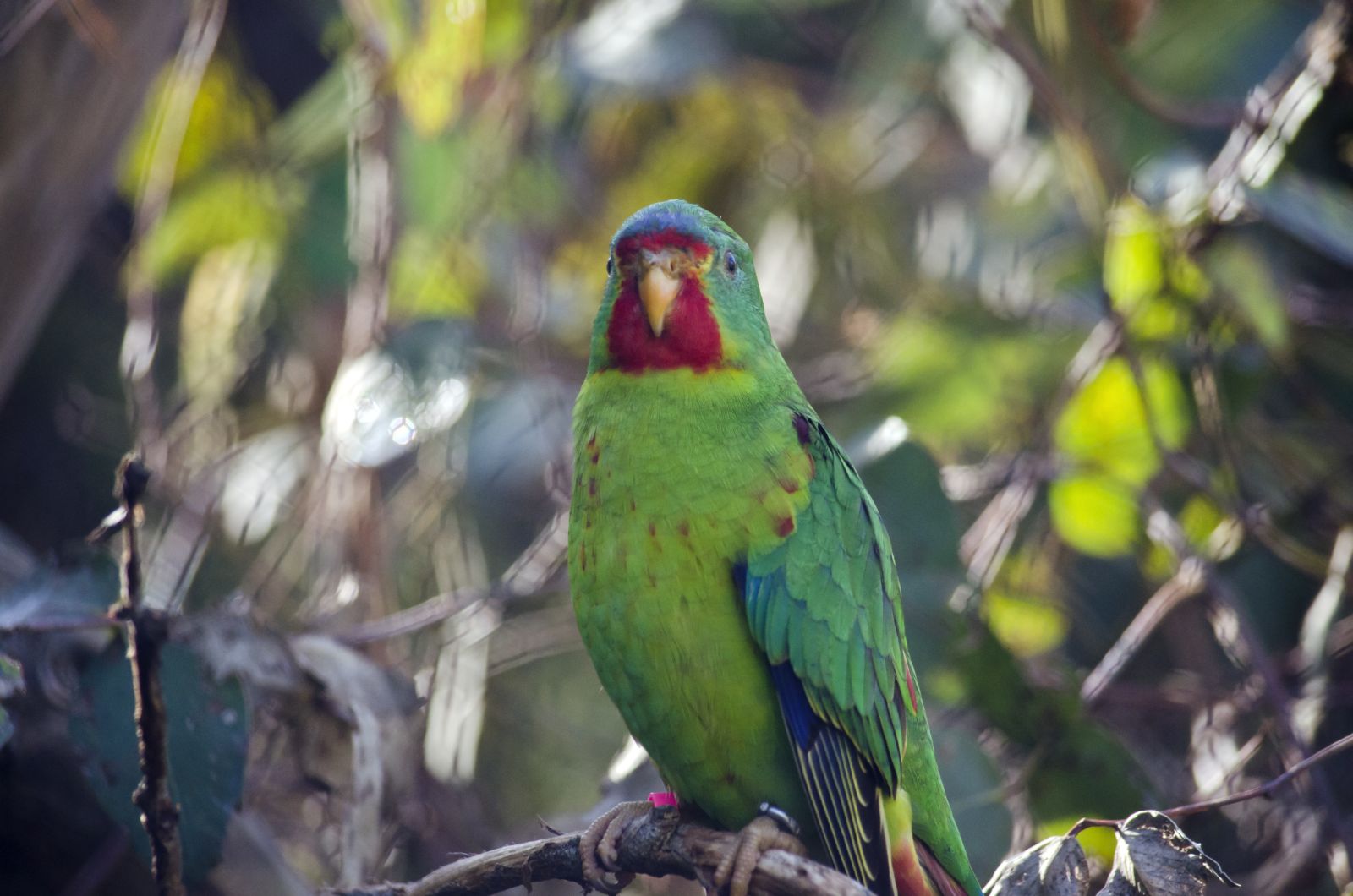
A new study shows AI working with an Australia-wide network of acoustic sensors has enormous potential to track threatened species activity through time and help protect them.
James Cook University post-doctoral fellow, Dr. Slade Allen-Ankins, led the study. He said effective monitoring is a vital aid to conservation efforts as biodiversity losses swell worldwide and the number of species listed as threatened in Australia alone has increased by 54% since 2000.
“In Australia we have the Australian Acoustic Observatory, (A2O), which consists of 63 sites continent-wide, each with four acoustic recorders, monitoring sounds in the wild 24 hours a day. The challenge is analysing what is recorded, because it is simply too much data for skilled zoologists to listen to identify each species,” said Dr Allen-Ankins.
The researchers analysed more than 2 million hours of audio from all these sites to determine which threatened species could be detected by the A2O.
“We used the deep learning recogniser BirdNET to find species within its existing classes and an embeddings-based search plus transfer learning to detect species not included in the model.
“We evaluated the performance of all these recognition models for threatened species. We detected 41 of the 74 target species at one or more A2O locations, providing data that can be used to track these species detections over time.”
He said the team have shown that passive acoustic monitoring networks, paired with modern deep learning tools, can provide long term, cost effective information on species distribution and activity across large areas.
“We’ve provided distribution maps of detections, performance assessments for existing recognisers and ready-to-use classifiers, to give conservation managers tools to improve acoustic surveillance,” Dr Allen-Ankins said.
Distinguished Professor Emerita Lin Schwarzkopf co-authored the study and recommends expanding acoustic sensor coverage, integrating automated classifiers into routine monitoring workflows and maintaining open access to annotated recordings so researchers and managers can refine models.
Link to paper here.
More Information
Media Enquiries:
Dr. Slade Allen-Ankins
slade.allenankins@jcu.edu.au
Published:
19, June 2026