From introvert to hero: The “Hacker” revealed
From War Games to The Matrix and Mr Robot, new James Cook University research reveals how film and gaming representations of the computer “hacker” are driven by our own insecurities around technology, cybercrime and surveillance.
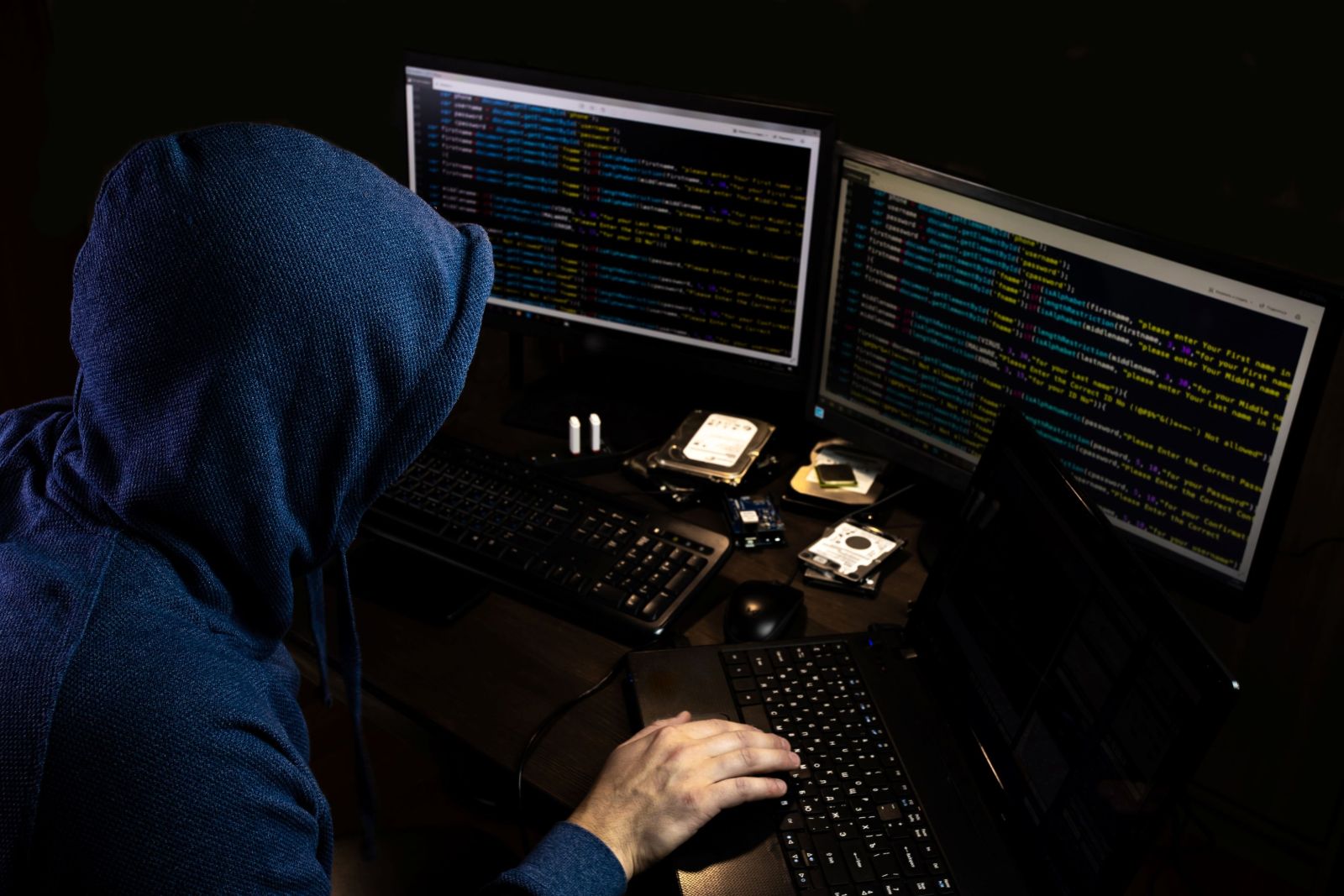
JCU Associate Professor of Information Technology Roberto Dillon published his new historical analysis in the journal New media and society, explaining how gaming, movies and television representations of the Hacker have evolved over the past 30 years, creating a complex but ultimately heroic cultural icon.
“It's a dangerous technological world that we are living in,” said Prof Dillon.
“We rely on a figure that knows the threats, knows the dangers, knows the ugly side of things, but can help us to overcome them.
“We see in the hacker someone who can help society against possible oppression or control, someone who can expose corruption in society.
“But at the same time, they can also be a threat, trying to scam us, break into our systems, disrupt our work … we don't know whether we should love or hate them.”
Prof Dillon used an interdisciplinary dual-media approach, analysing narratives and character representations from impactful Hacker films and tv shows, such as War Games, The Matrix and Mr Robot.
Prof Dillon contrasted these representations with how the role of the Hacker is experienced directly, via participation in both retro and modern hacker-based games such as System 15,000 and HackerHub.
“My background is as a game designer, so I used an analysis framework that helped me understand how games work, how they make certain types of game-play emerge, and how this engages people emotionally,” he said.
Prof Dillon wrote that this allowed him to interpret how films and games shape and reflect societal attitudes toward hacking.
He described how the hacker culture originated in the 1950s and 1960s, emerging from our insecurity around the earliest kind of communications technology - the telephone.
“However, I started my analysis with the War Games movie in 1983, that was the time we first started having home computers,” he said.
In the 1980s, Cold War fears of nuclear annihilation provided just the right environment for the emergence of the conflicted hacker stereotype - socially awkward but technically brilliant - capable of navigating serious consequences guided by a strong moral compass.
“The film was screened for U.S. Congressmen and directly cited in hearings that led to the Computer Fraud and Abuse Act, cementing the link between youthful hacking and real national security threats,” said Prof Dillon.
Through films such as The Matrix in the late 1990s, the hacker stereotype was reimagined as the mythical cyberpunk hero Neo - a defiant outcast - but also a trendsetting genius working at the vanguard of human survival and freedom.
“Of course, we want heroes … not just the knight in shining armour … but someone who may have a shady past, but then redeem themselves, and come out doing something for the greater good,” said Prof Dillon.
Mirroring the modern anxieties of our current digital world, Mr Robot (2015-2019) gave us a more nuanced and conflicted hacker character.
“The hacker’s genius level technical skills are matched by profound personal and mental health challenges, including social anxiety, depression, substance abuse, and dissociative identity disorder,” Prof Dillon said.
The hacker contradictions in film and games media reflect technology’s double-edged nature, where hackers can either be useful – exposing technology misuse – or they turn to the dark side - cyber-crime and exploiting weaknesses for their own advantages.
“The hacker figure is going to stay because technology can always be manipulated,” he said.