JCU’s Indigenous Education and Research Centre celebrates a decade of impact
James Cook University’s Indigenous Education and Research Centre (IERC) has celebrated 10 years of supporting Indigenous student success, reshaping curriculum, and building nationally recognised Indigenous-led research.
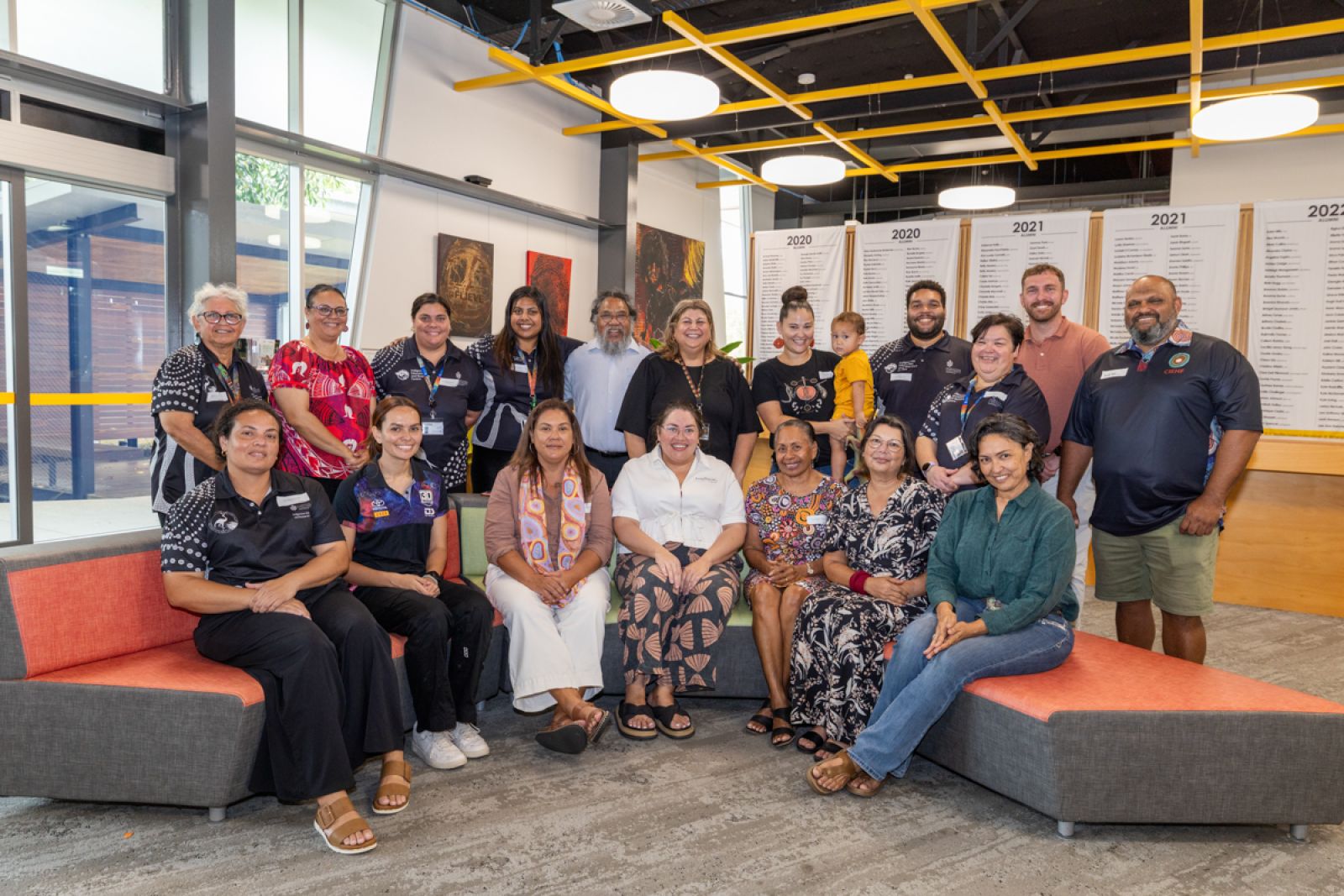
Established to address inequities in higher education outcomes, the IERC has become a key part of JCU’s Indigenous education and strategy agenda.
Speaking at last week’s anniversary event, JCU Deputy Vice Chancellor Indigenous Education and Strategy Professor Martin Nakata said the IERC was created to provide a more coordinated and focused response to Indigenous student success.
“In 2016, less than 30 per cent of Indigenous students across the higher education sector were completing their degrees within four years. We knew then that access alone was not enough,” Professor Nakata said.
“We knew participation on its own was not success.
“So, the challenge was to build a more coherent and more disciplined institutional response, one that placed educational success at the centre of the work and brought together the areas of the University that bear most directly on that task.”
Over the past decade, that approach has contributed to significant improvements in student outcomes at JCU.
Between 2016 and 2025, 750 Aboriginal and Torres Strait Islander students graduated from JCU with a total of 1171 degrees, while Indigenous students’ average subject pass rate increased from 64.2 per cent to 82.4 per cent.
“On the trajectory we are now on, we plan to close the gap in academic outcomes between Indigenous and non-Indigenous students at JCU within the next two years,” Professor Nakata said.
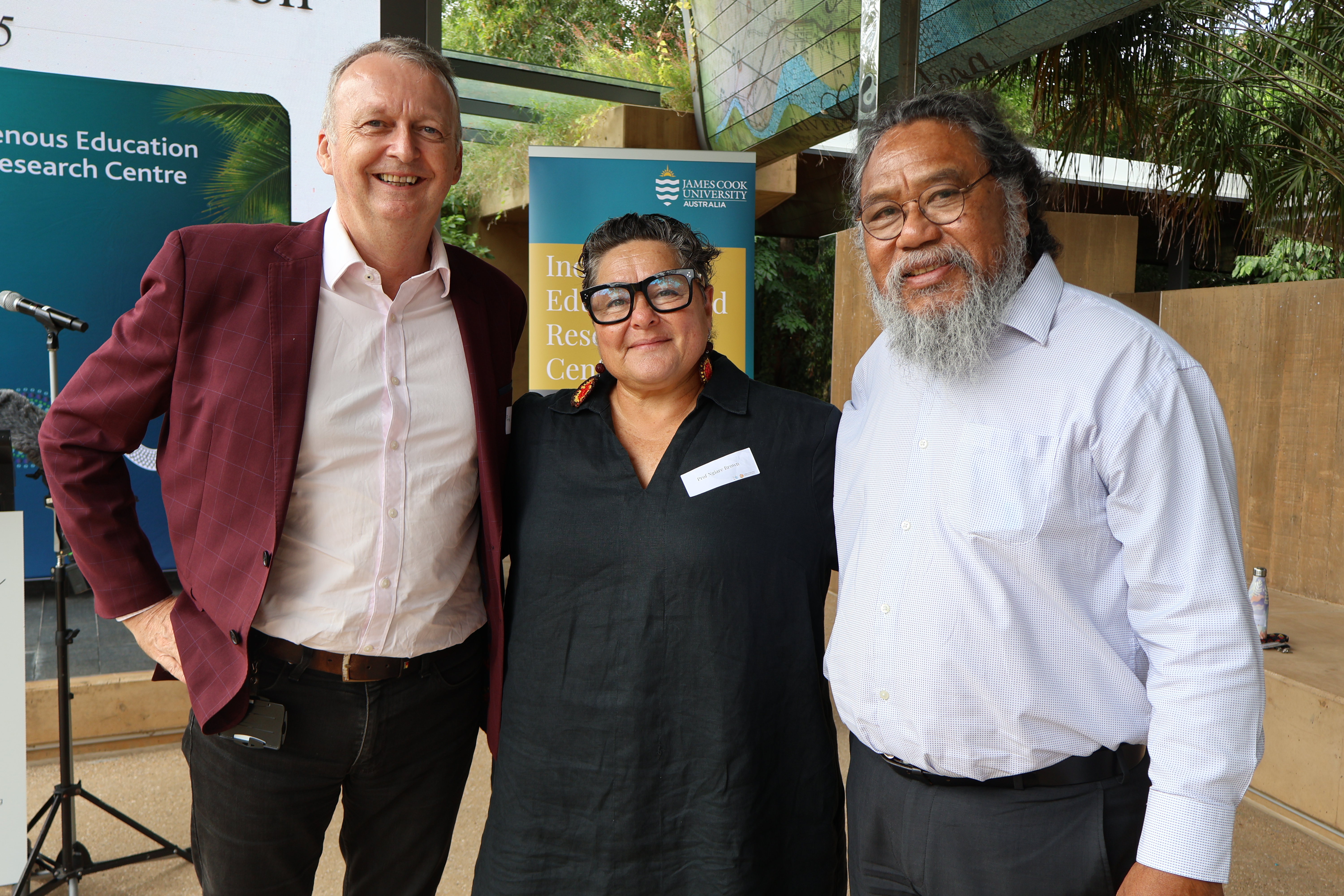
“Over the years, we have learned that effective support is not simply about doing more.
“It is about precision: understanding what students need at different stages of their journey, intervening early, and ensuring that support builds students’ own capacity to manage their learning more independently over time.”
JCU President and Vice Chancellor Professor Simon Biggs said the IERC had reshaped the university and strengthened its relationships with communities while delivering measurable outcomes.
“Our university is now recognised nationally as a leader in Aboriginal and Torres Strait Islander student completions,” Professor Biggs said.
“This is a significant achievement, and it reflects the strength of the systems, the support, and the commitment to achievement built throughout the IERC.
“This is about students finding a place at university, graduates returning to their communities and making a difference, and futures being shaped in ways that truly matter.”
The IERC has also played a key role in reshaping curriculum and developing postgraduate pathways grounded in Indigenous knowledge and scholarship, including the Master of Philosophy (Indigenous), Graduate Certificate of Indigenous Studies, and Doctor of Philosophy (Indigenous).
Research has become a key strength of the Centre, with IERC researchers holding Australian Research Council fellowships and roles across ARC Centres of Excellence. The IERC is also led by Indigenous staff across all management roles.
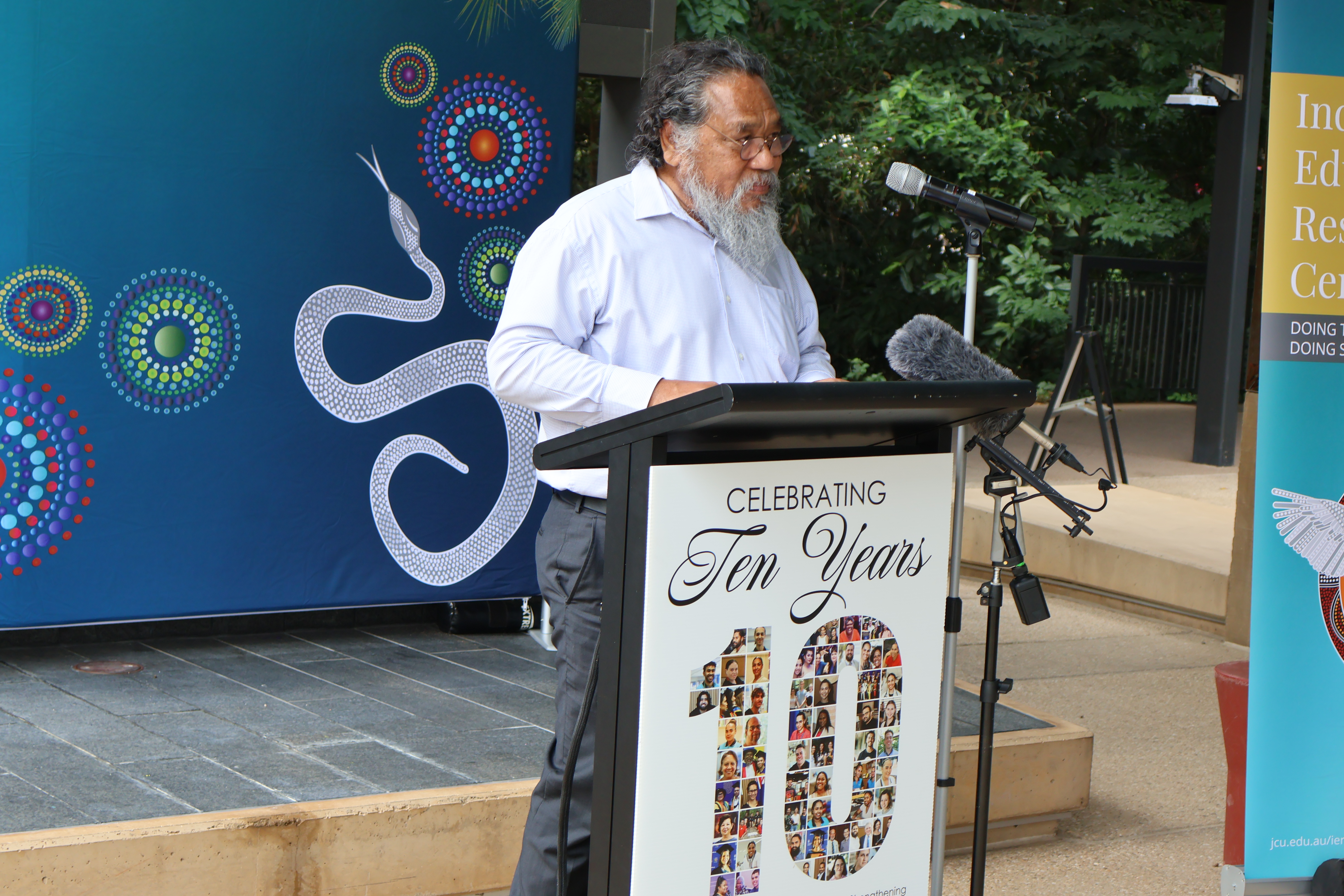
JCU Chancellor Professor Ngiare Brown said Professor Nakata’s leadership at the IERC had helped produce exceptional outcomes for Aboriginal and Torres Strait Islander students at the university.
“Under this leadership, JCU consistently ranks among Australia’s leading universities for Aboriginal and Torres Strait Islander student completions, with the IERC supporting around 120 Indigenous graduates each year across multiple disciplines,” Professor Brown said.
“The Centre operates long-standing pathway programs for Indigenous secondary students from regional, rural, and remote Queensland, illuminating the path for those who dream of a future defined by Aboriginal and Torres Strait Islander excellence,” she said.
Professor Nakata said the next decade of the IERC would remain focused on educational success, Indigenous leadership, and building the long-term capability communities need to shape their futures on their own terms.
“For a civic university such as JCU, this matters, and the IERC is well-positioned to lead it,” he said.