New approach needed as disease spread accelerates
Researchers are calling for a new approach to preventing emerging diseases from occurring in Far North Queensland and the Northern Territory’s Top End.
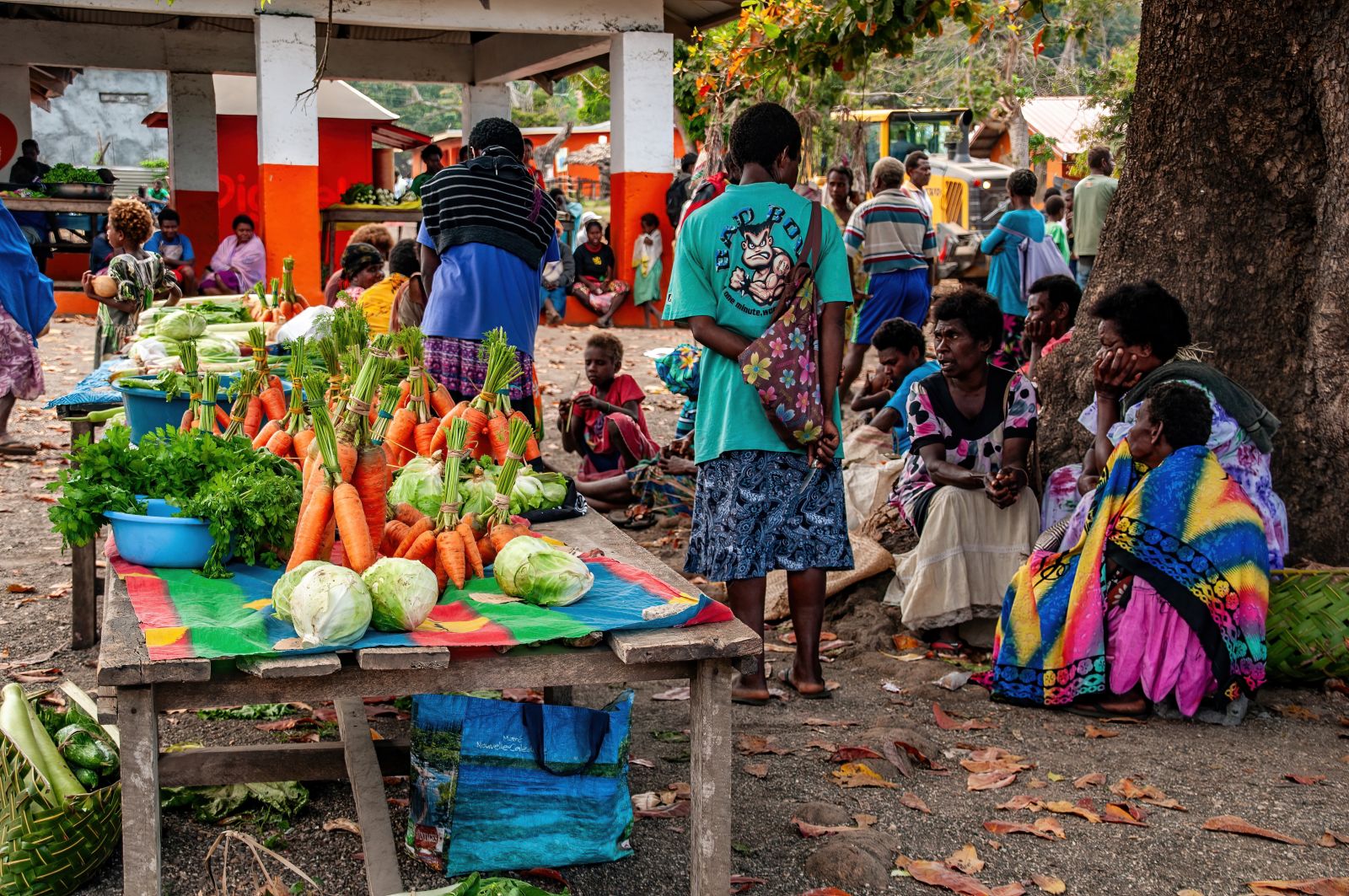
James Cook University’s Professor Bruce Gummow, said a recent study by his PhD student Dr Emilia Lastica-Temura, has highlighted the factors that make the West Pacific Tropics (WPT) a high-risk region from which new infectious diseases are likely to emerge.
This region includes Indonesia and PNG as well as northern Australia.
“We know the WPT is a hotspot for emerging infectious diseases and previous studies have identified the drivers of diseases that spread from animals to humans,” said Professor Gummow.
“But they didn’t provide much insight into how these drivers interact between regional wildlife, humans and domestic animals.”
Due to the limited research being conducted on this topic in the region, the scientists could only find 14 high-quality studies published between 2004 and 2024 that could be used to give a better understanding of how environmental, social and economic forces intersect to drive disease emergence in the region.
“Socioeconomic conditions and governance systems stood out as the most influential drivers shaping how wildlife, domestic animals and people interact across ecological and territorial boundaries. These factors cut across all major transmission pathways,” said Professor Gummow.
He said the findings suggest human activities such as land use change, wildlife trade and increasing contact between wildlife and livestock, play a central role in enabling pathogen spillover.
“When combined with climate vulnerability and dense species populations, these pressures create ideal conditions for disease spread,” he said.
“In countries already vulnerable to climate change and other stressors, the consequences for both humans and animals could be severe.”
He said the researchers recognised the limited number of studies introduced some bias in the results, but the trend was clear.
“If we want to avoid more frequent and more severe disease outbreaks in these regions, we believe a regional One Health approach - balancing and optimising the health of people, animals and ecosystems - is essential,” Professor Gummow said.
He said this would mean harmonising wildlife trade regulations and strengthening biosecurity measures through shared regional standards.
“In a globalised world the outbreak of a totally new infectious disease a few hundred kilometres away is no longer just a local problem. It can quickly become Australia’s problem. If we’re smart, we’ll follow the science, act early and prevent it happening altogether.”