James Cook University medical student Vishwa Pakeerathan is a Brisbane-raised champion of rural health, grown in northern Queensland.
“Finishing secondary schooling in Brisbane, JCU’s medical degree was my first QTAC preference, given its heavy focus on clinical placements, providing more placement opportunities than any other university in Australia,” Vishwa says.
“Placements, especially with the ability to see our own patients and discover their own stories, have reinforced my passion for this career, and culminated in incredible experiences throughout my rural terms.”
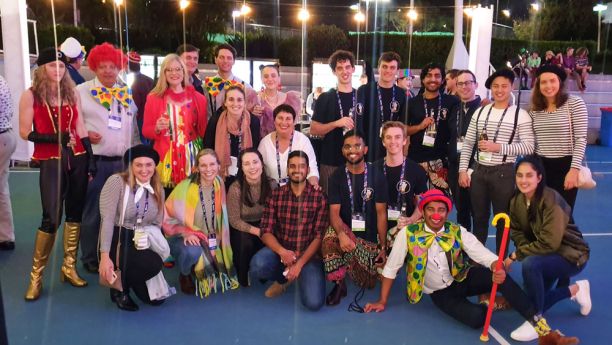
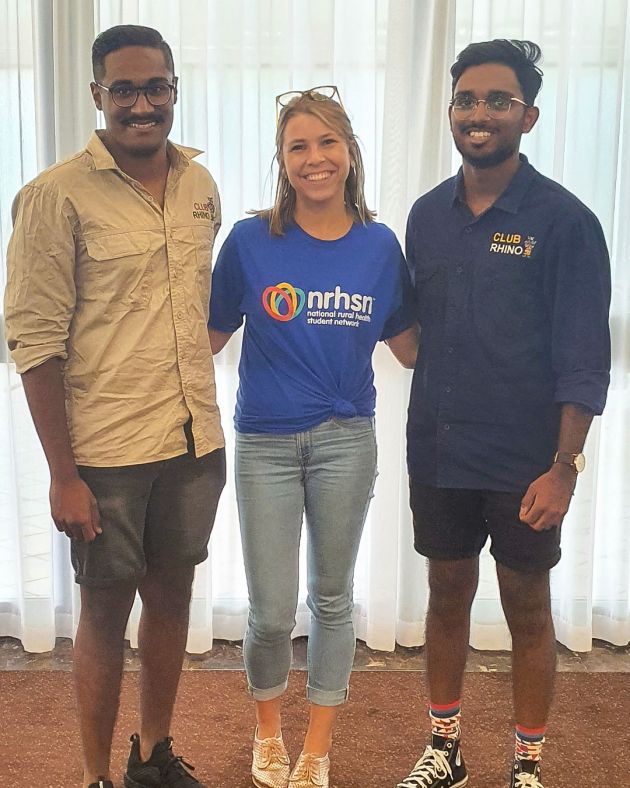
Intertwined in the adventure was his year as president of Club RHINO – Rural Health In the Northern Outback. The social network of JCU’s future doctors, pharmacists, dentists and other health professionals fosters a love of rural health and the towns they hope to help.
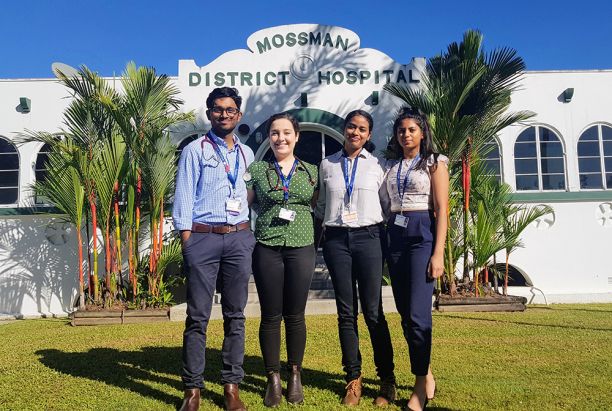
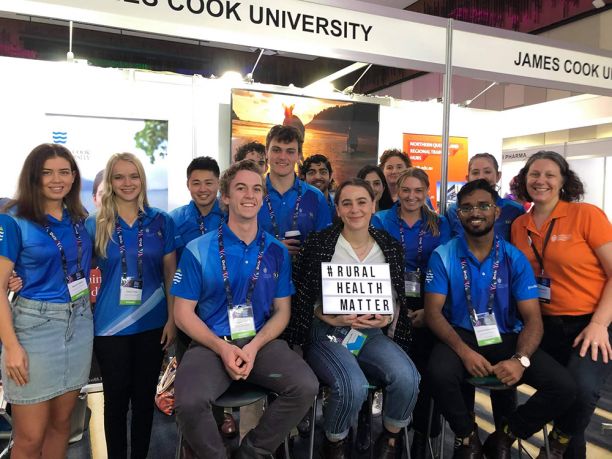
“It’s about using our skills to serve parts of Australia that are often hit the hardest but stand the strongest, and engaging with communities in a way that strengthens them to thrive,” Vishwa says.
After handing over the RHINO reins to 2022 president Hayley Skinner, Vishwa is navigating fifth year, an intensive clinical placement year, and looking forward to his sixth-year rural term.
His advice for a student preparing to go on rural placement: “Bring a camera, a swag and a positive attitude. Be prepared to get out of your comfort zone and make friends and memories that may last a lifetime.”
JCU rural medical placements
Genuine opportunities and people
“The JCU degree provides a genuine, tangible opportunity for reducing the gap between the rural and mainstream medical care. It encourages an appreciation of tropical health as a significant issue, with some communities having the highest rates of communicable disease in Australia. My university experience so far has been an amazing journey filled with a lot of hard work and fun. I’ve made many friends and memories and would recommend it without hesitation. I’ve met such a vast array of kind and caring colleagues who have come from across Australia and the globe.”

Rewards of RHINO
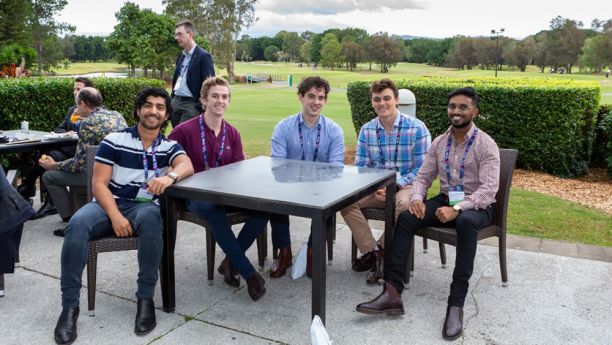
“RHINO has been around since the creation of the med school 21 years ago. As the rural health club that represents the entirety of JCU in all health degrees, RHINO liaises with external governmental organisations and committees and holds events that aim to improve awareness and health outcomes for those in rural areas. A highlight from 2021 was being able to represent JCU at the Rural Doctors Association of Queensland conference held on the Gold Coast, where I got to meet and network with some of the most influential doctors in Queensland, including the Governor General, Dr Jeanette Young.”
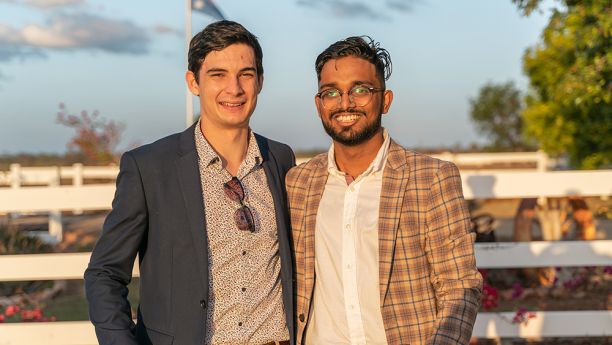
Putting theory into practice
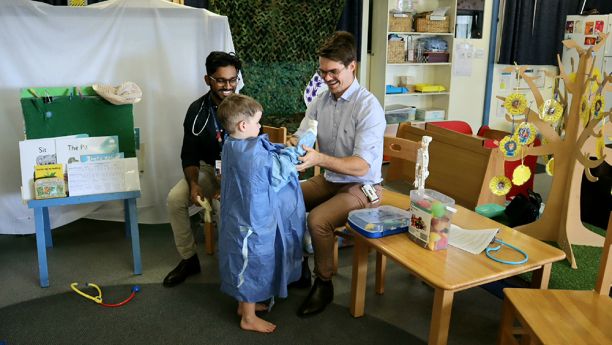
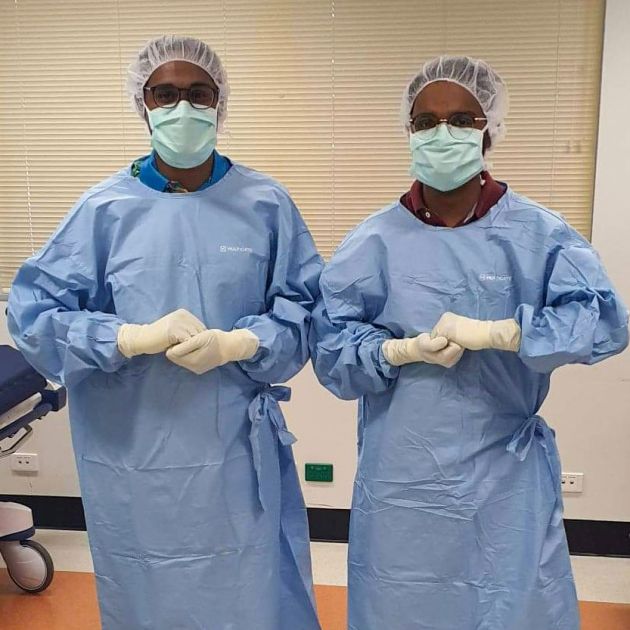
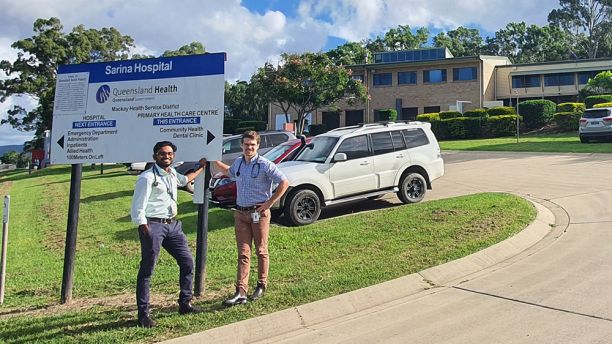
“My fourth-year placement was six weeks in Sarina and Mackay, at both the hospital and a local GP practice. Prior to this I spent time in the Mossman and Cow Bay areas. I will be placed in Townsville for the remainder of my degree, with a rural term in year six that I am eagerly looking forward to. Placements, particularly rural placements, have provided us with hands-on experience to practise all the theory we have been taught. As JCU medical students, we can see our own patients prior to doctors seeing them, enabling us to take a history, examine the patient, do clerical tasks and then present our thoughts, ideas and concerns to the supervising doctor and seek instant feedback as an active member in the healthcare team.”
Top tips for first-year students
“My number one tip would be to get involved with the extracurricular activities and clubs. It is the easiest way to make friends. It’s a six-year degree; the more friends you make, the more enjoyable the degree will be. Getting involved in the extracurricular activities is a great way to ensure we all have adequate work-life balance. If offered an opportunity on placement, as simple as taking blood, don’t say no. Learning in these environments is safe and the best way to learn.”
Enjoying the ride
“It’s hard to tell what I am hoping to do with my career. I very much enjoy going through the whole journey with the patient and sharing their experiences and I’m sure I will also end up helping underserved populations in particular.”
Looking forward to rural adventure? Read more about RHINO and what shaped the medicine pathway of 2022 president Hayley Skinner.