Finding Inspiration in a Men’s Group
A curious mind, a pro-active father and exposure to an Indigenous men’s group culminated leading Myles McKenzie on a pathway to medicine.
Now in the third year of his medicine degree at James Cook University, Myles – a proud Barundji man who was born and raised in Townsville – has his sights firmly set on a career in mental health and already has some firm, progressive ideas about improving outcomes for Aboriginal and Torres Strait Islander people.
Myles’s passion was sparked as a young teenager, when he first attended a men’s group led by a respected community elder. For the next decade, he observed how culture, trust, and connection could transform lives.
“Many of the men I met had been through trauma, prison, addiction, and abuse,” Myles recalls. “Western approaches often didn’t reach them, but through culture, they began to heal — reconnecting with family, finding work, and leaving old cycles behind. That made me think: why can’t culture and psychiatry work hand in hand?”
Seeing the Power of Cultural Healing
“At first, I just sat and listened during the meetings. Many of the men were 30–50, often recently out of prison. From the justice perspective, the program was about rehabilitation, but I could see the deep mental health challenges they carried: trauma, PTSD, schizophrenia, substance abuse. They’d grown up in violent homes, with drugs, constant fear, and abuse, and the cycle just repeated.
“In those groups, I saw the cultural side of healing. Many of the men said psychologists couldn’t help them — not because psychology isn’t valuable, but because there was no cultural connection. Then I’d watch Uncle Alfred work with them in the men’s group. Through culture and trust, he helped people turn their lives around — quitting drugs, rebuilding families, getting jobs. It was incredible.”
That insight has shaped his path ever since. After completing an Honours degree in Psychology, Myles entered medicine as a mature aged student with a clear goal: to become a psychiatrist who could bridge both systems, Indigenous culture and Western style medicine.
“I always knew I wanted to work in mental health but wasn’t sure from which angle. My grades weren’t great out of high school because I was a bit lazy, but I completed the four years of psychology. In third year of that degree, I started to think seriously about medicine,” he says.
And Myles has no regrets about completing his psychology degree before stepping into medicine: “I’m glad I did that way. It’s given me exposure my colleagues haven’t had, since many came straight from high school,” he says.
“Medicine is about patient-centred care. For Aboriginal people, that means bringing culture into the process. It’s not about building a separate system but including cultural healing within mainstream healthcare. And one of the best ways to do that is training Aboriginal health professionals who can bring that lens into practice” he explains.
The JCU Experience and Rural Opportunities
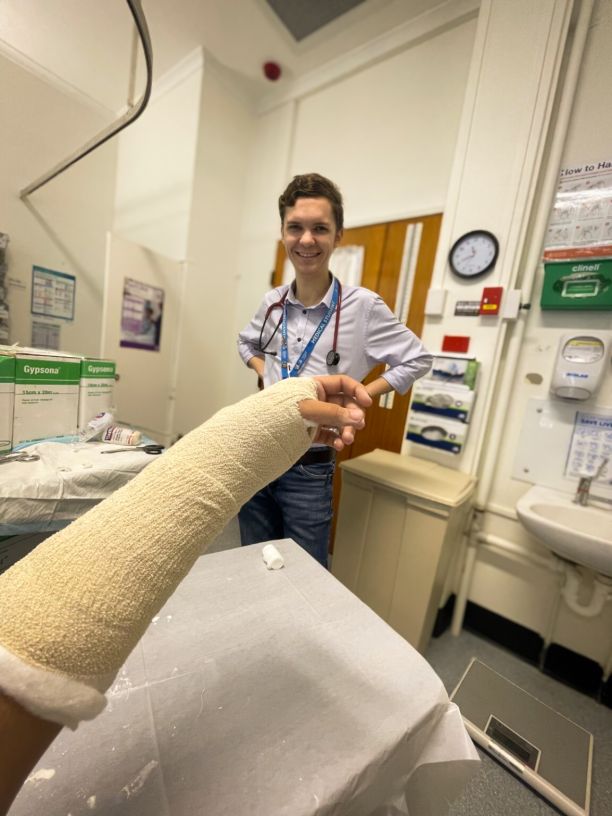
At JCU, Myles has embraced every opportunity, from GP clinics and hospital placements to rural practice. He is interested in psychiatry as, for him it’s a powerful specialty because it requires few resources beyond time, listening, and empathy.
“I’m the first in my family in healthcare and they have been so supportive. I’ve also had the whole Townsville Aboriginal community behind me. Everyone knew me, knew I wanted to work in mental health, and encouraged me along the way.
“Psychiatry is something I can take into communities. I don’t want to just sit in an office in a big city. I want to be based in Townsville or Cairns and provide outreach to places like Doomadgee, Mornington Island, and Bamaga.”
Myles says he’s enjoyed the JCU student experience so far, although the workload increased as the degree progress.
“Third year is tough. It’s still science-heavy, but now they want you to apply everything clinically. Textbooks say a heart attack looks one way, but patients present differently. That’s confronting at first, but you learn to enjoy the detective work,” he says.
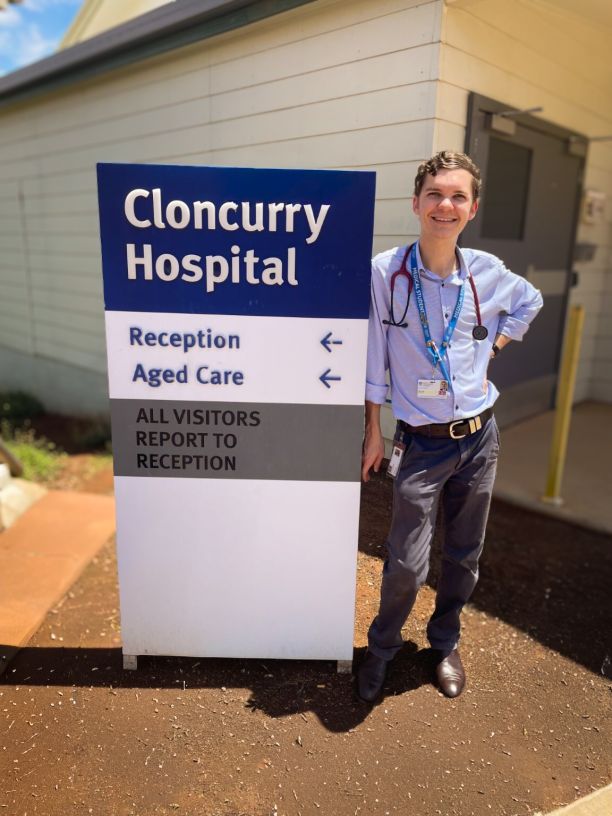
“At JCU we’re lucky — we get placement from first year. I’ve done GP placements, hospital stints, and a rural placement at Cloncurry where I was mentored by an ex-JCU doctor. He let me get hands-on with procedures you normally wouldn’t do until much later. Placements can vary a lot, but I think it’s about building relationships and making the most of opportunities.”
Recognition and Responsibility
His dedication has already been recognised. Myles was recently awarded the AMA Indigenous Medical Scholarship and received an Indigenous academic excellence award for being one of the highest achieving Aboriginal medical students. While he is quick to credit his family, his community, and his mentors for their support, he remains driven to give back.
“I feel a cultural responsibility,” he says. “I’ve been supported by so many people along the way, and I’ve promised to return that support by working in psychiatry and helping to create systemic change.”
“As an Aboriginal doctor in psychiatry, I want to help break the cycles of trauma and disadvantage, if we can bring culture and medicine together, we can start building stronger, healthier futures for the next generations.”