Fast Facts
Location
This course offers flexible study options upon enrolment; many subjects offer online or on-campus attendance options.
Commencing
- Townsville: February, May, September
- Cairns: February, May, September
Fees
From $17,029+
$28,407^
+
estimated annual Commonwealth Supported Fee for a full-time study load, based on 24 credit points. Please note this estimate is variable and subject to fluctuation depending on choice of elective subjects.
^
estimated annual tuition fee for a full-time study load, based on 24 credit points.
Scholarships and financial aid available if eligible.
Plus Student Services and Amenities fee. Fee deferral and scholarships available if eligible
Currently displaying fees for 2026, which are subject to change in following years.
Duration
3 years full-time
4 years part-time
Entry Requirements
ATAR 60
English (Units 3/4,C)
QTAC Codes
- 311093
- 321093
Course detail
This degree prepares you for a career in human services practice, with a strong focus on the regional communities where skilled practitioners are needed most.
Study in Cairns or Townsville in a flexible mix of on-campus and online delivery. Core subjects cover human rights and social policy, Indigenous frameworks for practice, interpersonal communication, organisational practice and community work – giving you a grounding in both the theory and practice of the sector. Electives are tailored to regional areas of need.
If you're already working in community services, recognition of prior learning (RPL) may be available for your first placement, and if you have completed other study at the diploma-level you may be able to gain further RPL – eligible students can complete the degree in two years.
Two supervised placements totalling 400 hours mean you graduate having worked in professional settings, not just studied them. In your final year, a 240-hour capstone placement puts your skills to the test as you transition into practice.
The course is seeking accreditation with Community Work Australia.
Built on strong partnerships with government and community organisations across North Queensland, this degree gives you practical experience that employers across Australia value.
Electives drawn from across JCU colleges let you specialise in areas of regional need, including disaster preparedness and trauma-informed practice, mental health and addiction, disability and ageing, and leadership in Aboriginal and Torres Strait Islander organisations.
Graduates go on to work across a wide range of settings, including community health and social services, youth and family services, mental health and wellbeing programs, disability and aged care, housing and homelessness support, justice and community corrections, multicultural and settlement services, Aboriginal and Torres Strait Islander community-led organisations and local, state and federal government.
Estimated annual Commonwealth Supported fee: $17,029
Estimated annual tuition fee: $28,407
A variety of Scholarships are available to suit different student types.
Learn more about fees and financial support
Note the course QTAC code for the location you've chosen. You'll need to enter it as part of your QTAC application.
Application dates vary between courses, whether they're delivered in semester, trimester or carousel study modes. View our Application due dates page for more information.
ATAR score is indicative only. Entry scores will be finalised in the major offer round.
Real stories
-
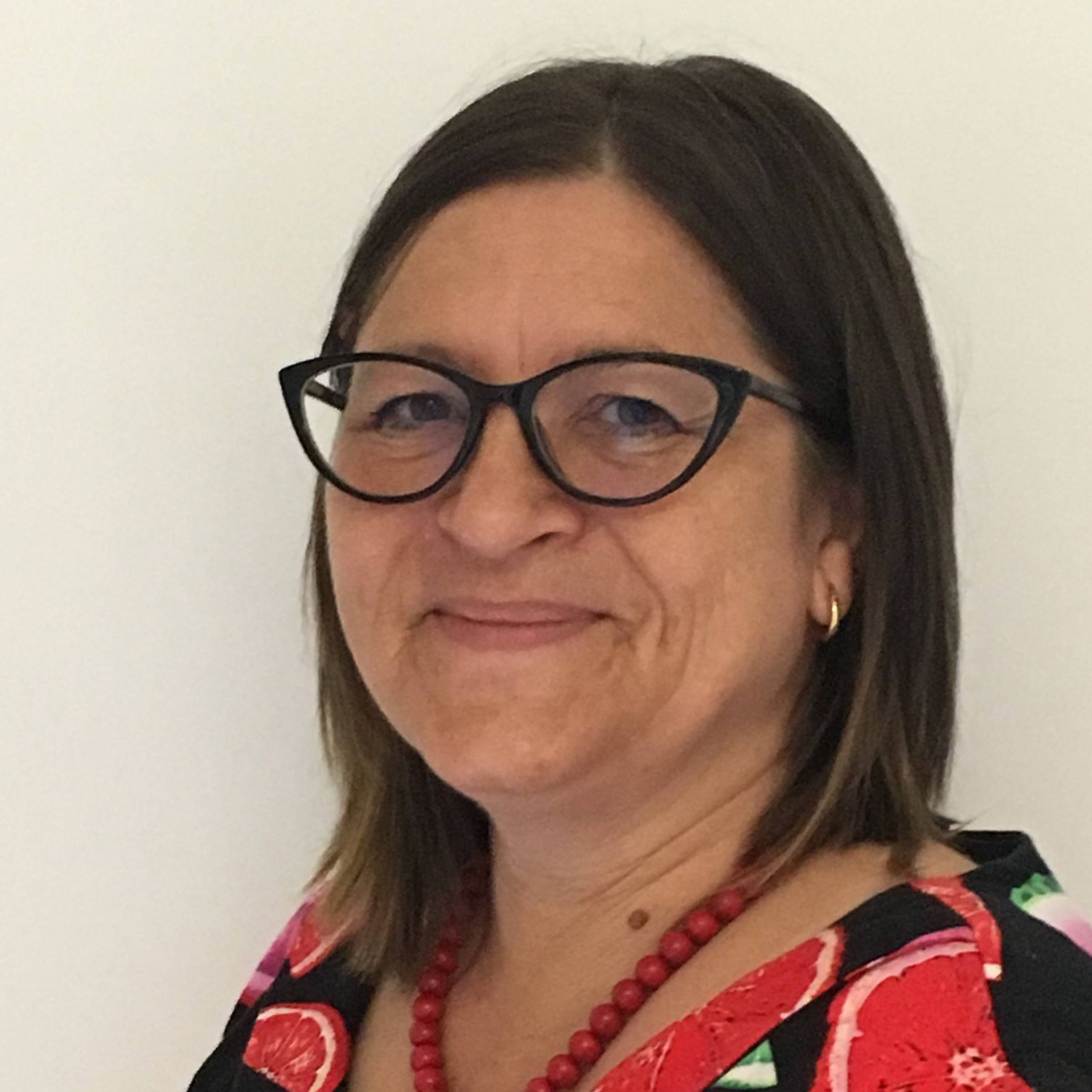
Course coordinator
Jo Bentley-Davey
Bachelor of Human Services
Studying Human Services at JCU offers students a practical and engaging learning experience that combines online and face-to-face study with intensive, skills-based workshops throughout the course.
-

Lecturer
Dr Pascal Agbadi
Social Work and Human Services
At JCU, Human Services is about working at the intersection of people, communities and the systems that support them. We prepare students with the practical skills, critical insight and cultural responsiveness needed to make a meaningful difference across diverse service settings to improve community wellbeing.