
Island adventures in remote medicine
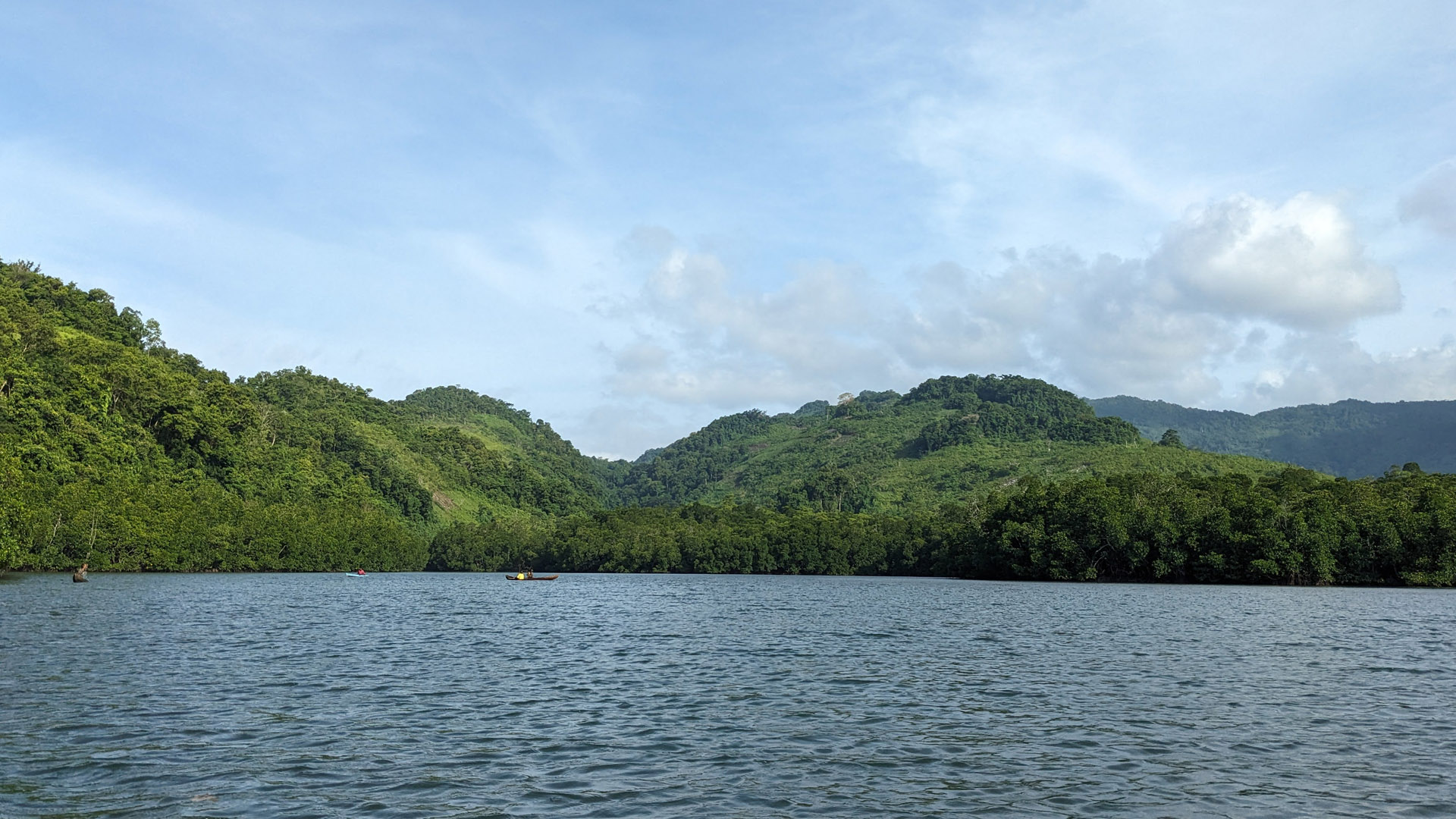
For ten weeks, Jasper Lawson lived and worked in a place that's worlds apart from our daily lives in Australia.
For this Bachelor of Medicine, Bachelor of Surgery student, his decision to complete his clinical elective on a remote island nation in the Southwestern Pacific Ocean proved to be not only a turning point in his medical career, but also a deeply transformative personal adventure.
Read on to discover how Jasper's practical experience proved life-changing, in more ways than one.
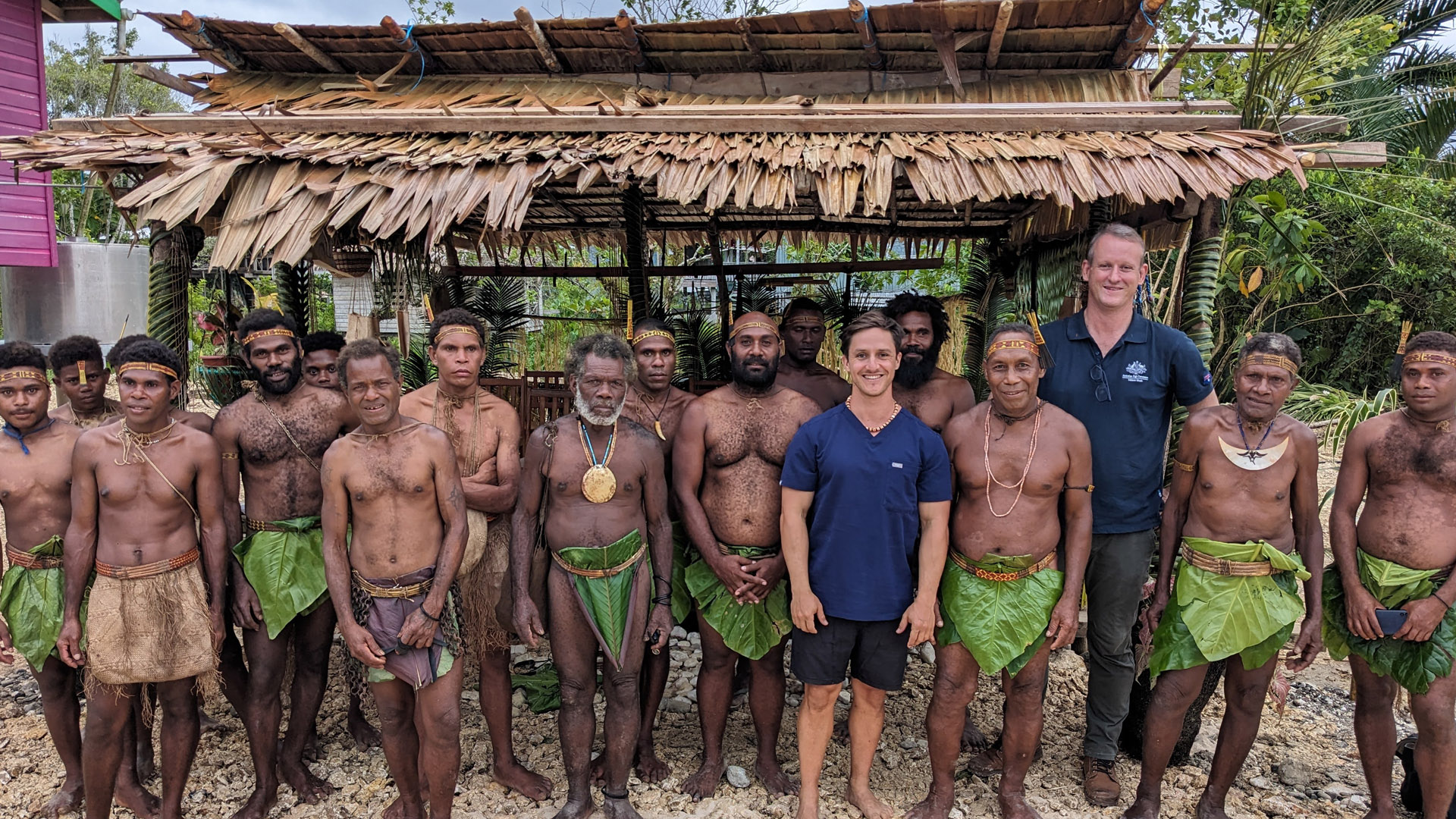
Stepping off the plane into the thick, tropical air of the Solomon Islands, Jasper was eager for a challenge.
Having already lived on a remote island in Vanuatu, where he used tree leaves as toilet paper and relied on rainwater, he felt prepared for absolutely anything.
What he experienced was truly the adventure of a lifetime.
His journey began with one week in the bustling capital of Honiara, working at the National Referral Hospital. But it was in the quiet, rural heart of Malaita Province, at Kilu’ufi Hospital, where Jasper would spend the majority of his time. Here, he faced the raw challenges of providing health care in a resource-limited setting.
For nine weeks, this small, under-resourced hospital became both his home and his proving ground as a budding rural generalist.
“The challenges and learning opportunities I encountered have deepened my understanding of resource-limited health care,” Jasper says. “This experience has solidified my commitment to becoming a rural generalist, with a focus on serving communities in Australia and the Pacific region.”
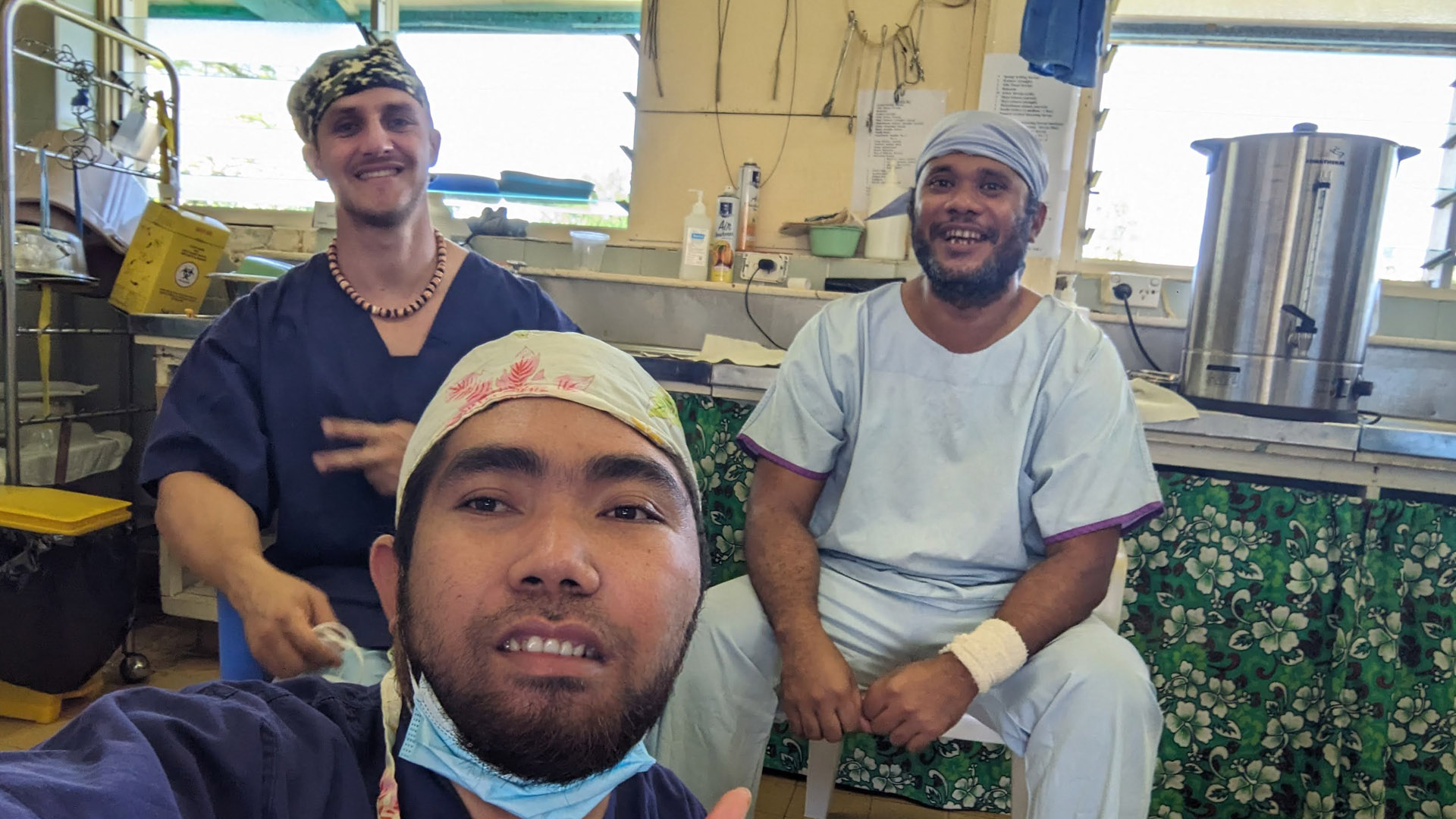
At Kilu’ufi Hospital, the final year medical student found himself managing an array of cases that would test any doctor’s resolve.
From tropical diseases like malaria, tuberculosis and leprosy, to the more dramatic — such as emergency caesarean sections and amputations — his experience spanned the full spectrum of rural medicine.
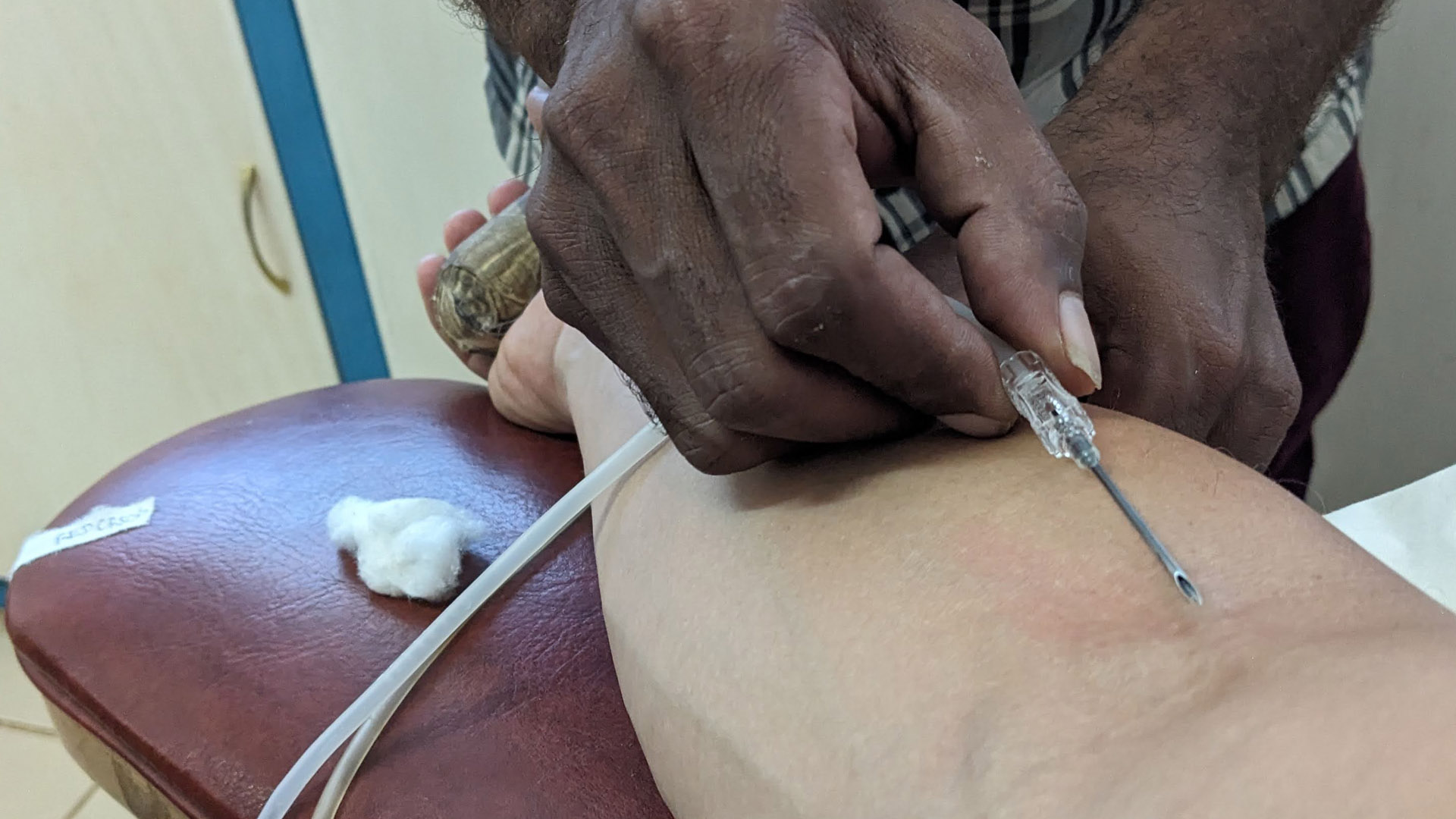
In one particularly intense moment, a patient’s life depended on a blood transfusion and when the need arose, Jasper did not hesitate. He rolled up his sleeve and donated his own blood, underscoring the depth of his commitment to the people he was there to serve.
“I was involved in numerous blood transfusions, including one where I donated my blood for a patient in need,” he says. “These experiences highlighted the crucial role Lifeblood (the Red Cross) plays and the exceptional resources and support available to patients in Australia.”
Many of the diagnostic tools and treatments typically accessible in Australian hospitals were simply unavailable.
“It was challenging to work out how to manage a patient without the investigations and treatments we would typically use in Australia,” he says.
“I have so much respect for the local staff who mostly rely on their clinical skills to diagnose and treat patients.”
One of the most difficult cases involved a young man with alcohol-related liver cirrhosis.
“Unfortunately, he presented extremely late and passed away due to complications and an inability to have a liver transplantation,” Jasper says. “It is challenging to see someone so young pass away from a preventable cause.”
Despite these challenges, Jasper found the experience incredibly rewarding, especially the relationships he built with staff and patients.
“Everyone was incredibly positive and resilient,” he says. “They were quick to laugh and take the time to share a story. I never heard any complaining or staff talking poorly about others behind their backs.”
One of his most poignant moments was when a patient he had been working with for several weeks chose to return home for palliative care. The family invited Jasper to come along in the ambulance.
“At the house, we helped carry the patient into his final resting place,” he says.
“The wife hugged me and thanked the staff and I for everything we had done. We both teared up, and the patient passed away the following morning."
Jasper also connected with the local community by learning the languages.
After living in Vanuatu, he quickly picked up Solomon Islands Pidgin and worked to improve his communication throughout his stay. To further connect with patients and staff, he also learnt a few key phrases in three of the 14 local languages spoken in Malaita Province.
“Since I have left, every day I continue to communicate on social media with friends and colleagues in Pidgin and other local languages.”
He also immersed himself in local customs and social activities, from playing sports to joining family gatherings.
One cultural difference that stood out to Jasper was the sense of community. “Whether it’s building a kitchen for the hospital or pulling a truck through the mud, people help each other out and expect nothing in return.”
Outside of the hospital, Jasper experienced several adventures that further deepened his connection to the Solomon Islands.
A weekend in West Kwaio involved navigating a flooded river that had swept away local boats. Jasper then worked with locals to carry 100 planks of timber many kilometers by wading through floodwaters to a waiting boat in the ocean.
In East Kwaio, heavy rain and mud turned a 70km trip into a nine-hour ordeal, with Jasper and 20 others using ropes to pull a three-ton truck free from the mud. Jasper says he “loved every moment.”
On weekends, he would snorkel, swim, and hike, often spending time with doctors and new friends over dinner and drinks. One highlight was Malaita Day, a five-day celebration of local music, traditional dancing, and market stalls.
“Seeing the living culture, from students to elders performing traditional dances, is something I will never forget.”
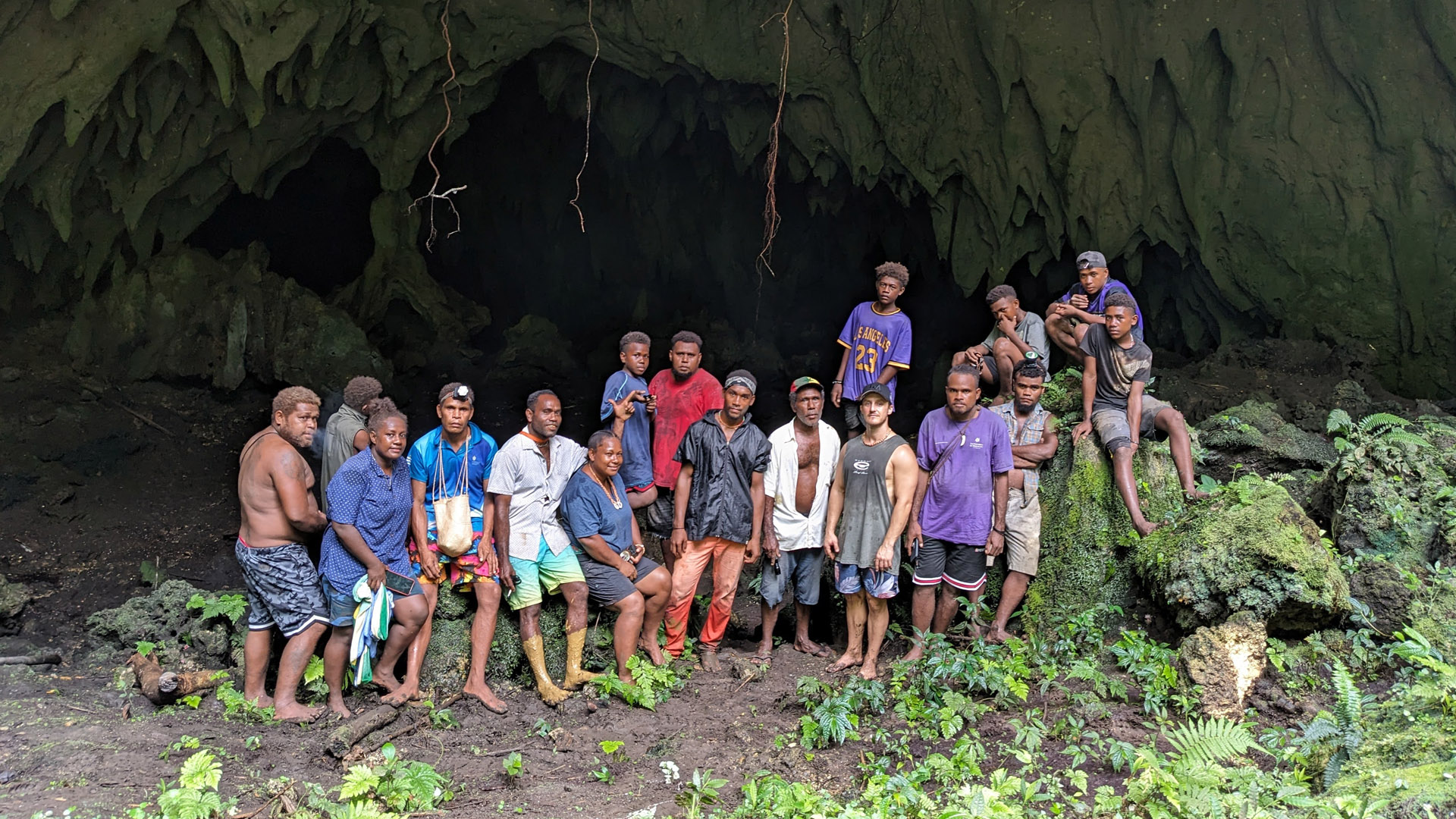
For Jasper, the Solomon Islands were more than just a clinical placement.
His time there was a firm reminder of why he chose medicine in the first place — to serve, to learn and to live the adventure of being a rural doctor.
The challenges were many, but the rewards, from forming deep connections with patients and staff to navigating the complexities of a different health system, were unforgettable.
Looking to develop your international clinical practice?
At JCU, you'll find several Health and Medicine courses with options to build your skills overseas. Explore degrees that offer practical electives you can complete outside of Australia.