
About the Australian Institute of Tropical Health and Medicine

The Australian Institute of Tropical Health and Medicine (AITHM) is a research institute focused on improving the health and wellbeing of people living in the Tropics. Based at James Cook University (JCU) in northern Australia, AITHM tackles the unique health challenges faced by tropical communities, including infectious diseases, biosecurity threats and barriers to healthcare access.
With facilities in Townsville, Cairns and the Torres Strait, we have unprecedented access to, and connection with, the populations and clinicians who bear the burden of the region’s most pressing health concerns. Our research delivers real-world solutions that strengthen health systems, improve disease prevention and treatment, and reduce health inequities in the Tropics, both locally and globally.
Our mission
AITHM works to discover and develop health solutions for the Tropics, from the Tropics.
Our research
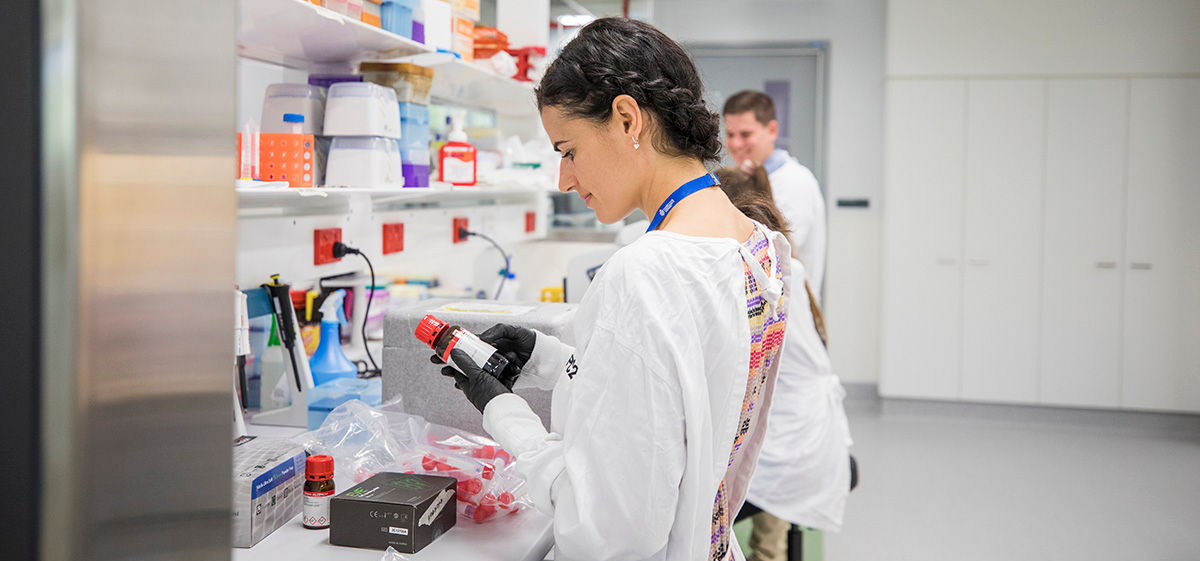
AITHM brings together multidisciplinary research to address health challenges affecting tropical, regional and remote populations. Our research spans discovery, health security and health systems, connecting expertise from across JCU to improve health outcomes in Northern Australia and the Indo-Pacific.
Our people
Our Institute is home to a dedicated community of researchers, professional staff and students who work across disciplines and locations to deliver practical solutions to tropical health challenges. By partnering with government agencies, industry and local communities, they ensure their research is relevant and responsive to real-world health needs.
Meet our researchers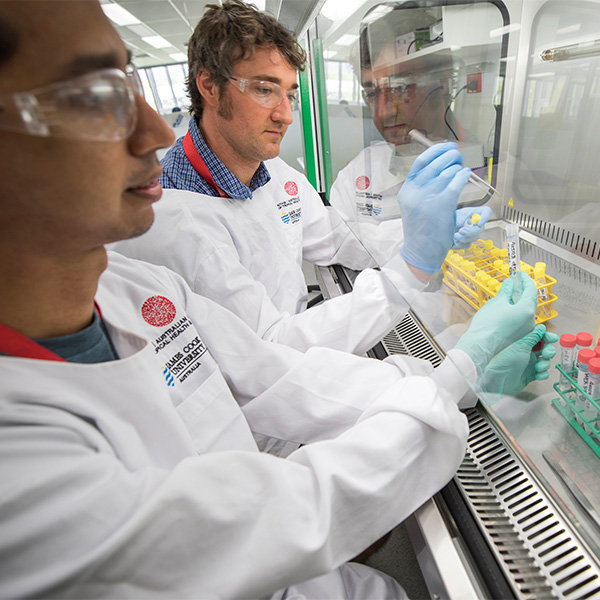
Our infrastructure and facilities
AITHM is equipped with world-class infrastructure and facilities designed to support research and collaboration. From advanced laboratories to specialist equipment, our spaces are purpose-built to drive discovery and development.
Explore our infrastructure and facilities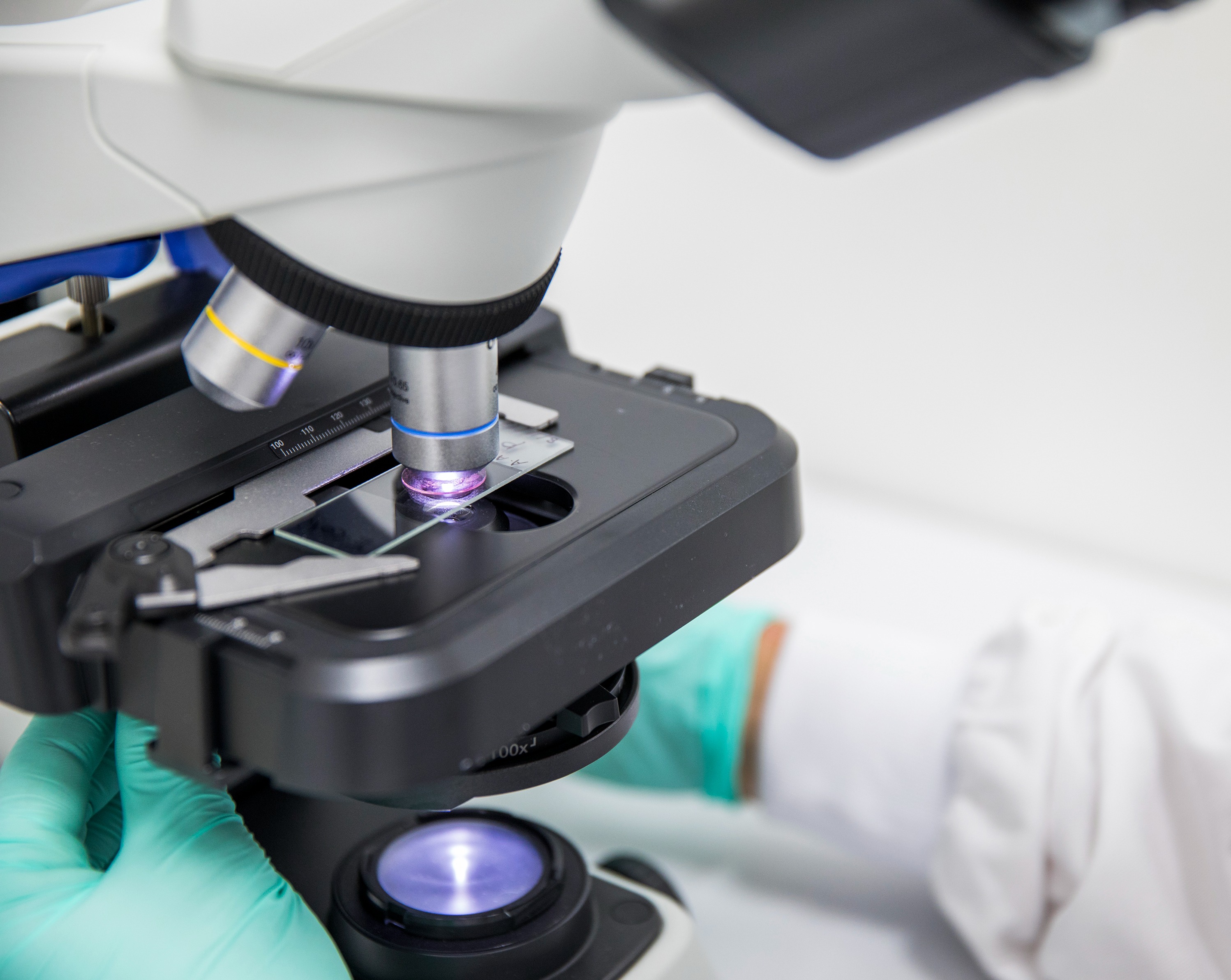
Our partners
We collaborate with a diverse network of partners, including universities, health services, government agencies, industry and communities. These partnerships enhance our research capability and help translate discoveries into practical solutions for tropical health.
Meet our partners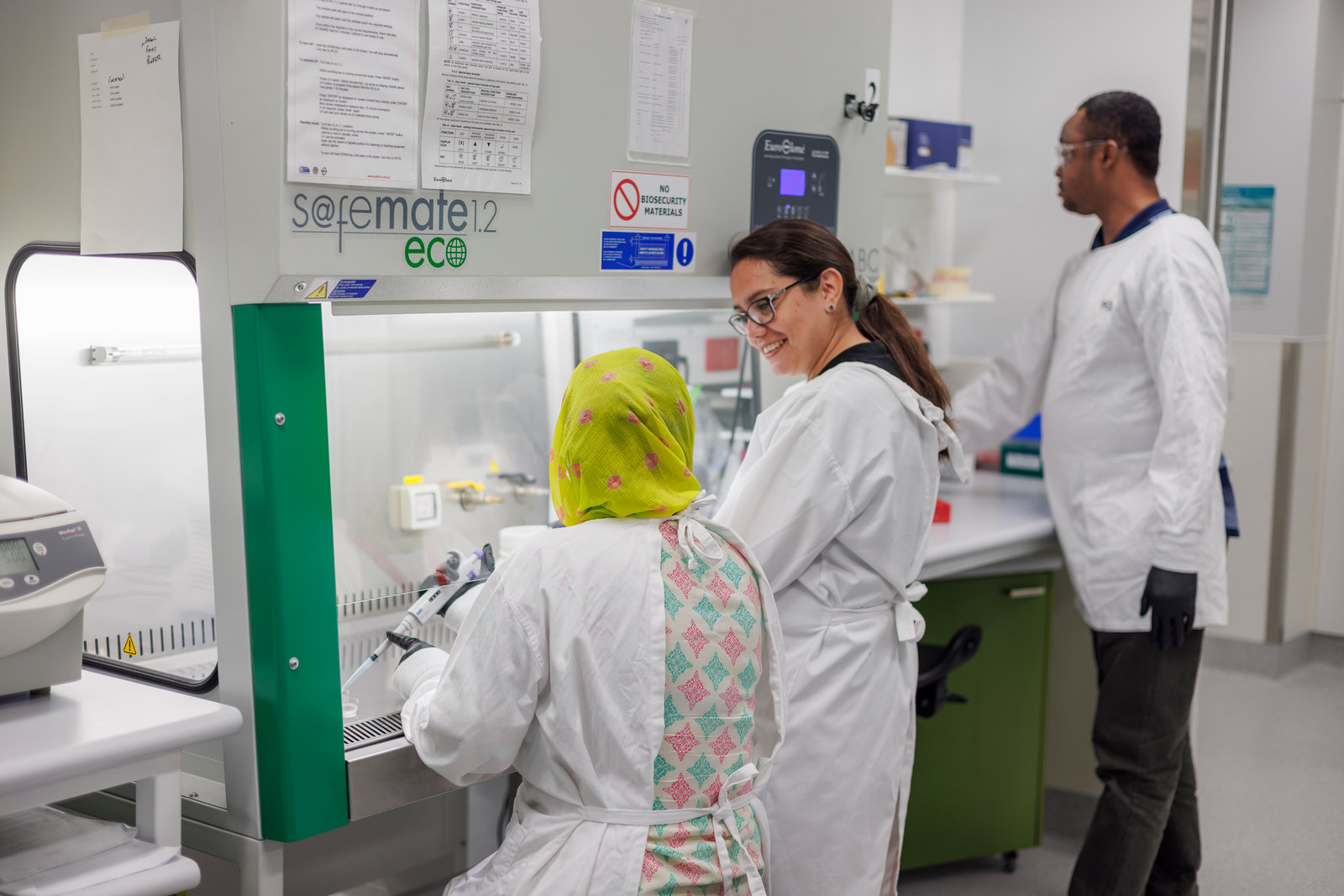
Our vision
AITHM aspires to excellence in tropical health and medical research, biotechnology and research education, supporting better health for people in the Tropics worldwide.
Our values
Our actions are underpinned by our values:
Excellence: We are committed to pursuing the highest standards in the work we do, delivering excellence through our science, research, consultancy and professional services.
Innovation: We encourage new ideas that challenge conventional thinking and drive creativity and innovation.
Authenticity: We are genuine in our commitment to our mission, and seek to be regarded in the research, policy-making and health spheres as dependable and collegial collaborators, and trusted advisors.
Integrity: We are accountable and act honestly, ethically and professionally in the execution of our responsibilities.
Mutual respect: Our staff maintain high standards of professionalism, show respect, and communicate positively and collegially with each other and with all people who interact with the Institute.
Equality and social justice: We aim, through our work, to improve the lives of people affected by or at risk of developing preventable diseases, and we support national and global initiatives aimed at improving health outcomes for underserved and disadvantaged communities including Aboriginal and Torres Strait Islanders and communities in regional, rural and remote settings.
Tropical health research has a long history in northern Queensland, beginning in 1910 with the establishment of Australia’s first institute for tropical medicine — the Australian Institute of Tropical Medicine (AITM). The idea was first championed by the Anglican Bishop of North Queensland, Dr George Frodsham, in response to widespread tropical diseases affecting workers and communities. Funding came from universities, the Colonial Office and a private benefactor, W K D’Arcy.
Under the leadership of its first director, the pioneering Dr Anton Breinl, the Institute expanded its reach through fieldwork across northern Queensland, the Northern Territory, the Torres Strait and remote regions of Papua New Guinea (PNG). Dr Breinl, who had discovered a cure for sleeping sickness in Britain, brought world-class expertise and established laboratory science in Australia, making Townsville the birthplace of Australian biochemistry. The purpose-built AITM building, completed in 1913 (pictured below), still stands today and is listed on the Queensland Heritage Register.
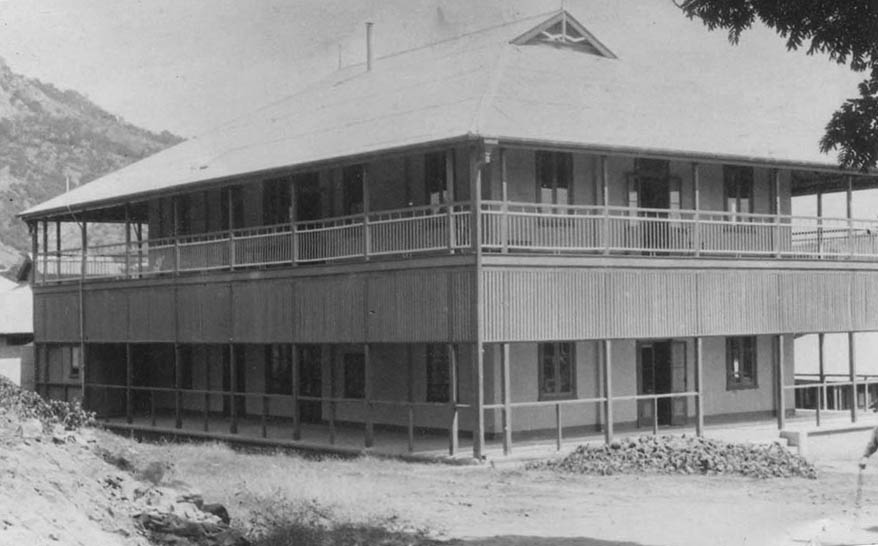
AITM closed in 1930, but its legacy endured. James Cook University (JCU) re-established the Institute in 1987, following the Kerr White Report, which recommended a dedicated facility for research and training in tropical health. Initially named the Tropical Health Surveillance Unit, it later became the Anton Breinl Centre for Tropical Health and Medicine and was eventually incorporated into JCU’s Department of Public Health and Tropical Medicine. Over the years, JCU built a strong reputation in tropical health research, particularly in infectious diseases and the health of tropical populations.
In 2009, JCU broadened its tropical health research through the Queensland Tropical Health Alliance (QTHA), a collaborative initiative connecting research expertise from multiple Queensland institutions. QTHA established advanced facilities at JCU, including an insectary, physical containment laboratories and high-throughput molecular diagnosis and genotyping capabilities.
The QLD Government and ARC funded the establishment of the Australian Institute of Tropical Health and Medicine (AITHM) in 2013, with the new institute taking on the mantle of the original AITM as a national institute dedicated to tropical health research.
Its location within a research-intensive university in the tropics allows AITHM to leverage intellectual capital, build capacity and apply evidence to tackle real-world health challenges in tropical regions globally.
Rodger - 1915
Salvin Moore - 1907
Salvin Moore - 1908
Taylor - 1914a
Taylor - 1914c
Taylor - 1915b
Taylor - 1916b
Taylor - 1917b
Taylor - 1919
Taylor - 1921
Taylor - year unknown- a
Taylor - year unknown- c
Taylor - year unknown- e
Young - 1914a
Young - 1914c
Young - 1915b
Young - 1919
Young - 1920b
AITM - 1910
Baldwin - 1926
Baldwin - 1927a
Baldwin - 1927b
Baldwin - 1925
Bennetts - 1923
Boyce - 1908
Breinl - 1903
Breinl - 1904
Breinl - 1905
Breinl - 1906a
Breinl - 1906b
Breinl - 1907a
Breinl - 1907b
Breinl - 1908a
Breinl - 1908b
Breinl - 1909a
Breinl - 1909b
Breinl - 1909c
Breinl - 1914a
Breinl - 1914b
Breinl - 1914c
Breinl - 1915a
Breinl - 1915b
Breinl - 1915c
Breinl - 1915d
Breinl - 1915e
Breinl - 1916
Breinl - 1918a
Breinl - 1918b
Breinl - 1919a
Breinl - 1918b
Breinl - 1919a
Breinl - 1919b
Breinl - 1920
Breinl - year unknown- a
Breinl - year unknown- b
Brent - 1927
Cilento - 1923a
Cilento - 1923b
Cilento - 1923c
Cilento - 1923d
Cilento - 1923e
Cilento - 1923f
Cilento - 1924
Cilento - 1926a
Cilento - 1926b
Cilento - 1927a
Cilento - 1927b
Cilento - 1927c
Cilento - 1927e
Cook - 1926
Cooling - 1923a
Cooling - 1923b
Cooling - 1924a
Cooling - 1924b
Cooling - 1927
Douglas - 1977a
Douglas 1977b
Douglas - 1977c
Elkington - 1922
Fergurson - 1920
Fielding - 1919
Fielding - 1927a
Fielding - 1927b
Fielding - 1928
George - 1926
Heydon - 1923
Heydon - 1924
Heydon - 1926
Heydon - 1927a
Heydon - 1927b
Heydon - 1927c
Hill - 1916
Hill - 1919
Hill - 2020s
Hill - 1921a
Hill - 1921b
Johnson - 1914
Lee - 1926
Maplestone - 1920a
Mathew - 1930
Nicoll - 1914
Priestly - 1913