
Australian Institute of Tropical Health and Medicine Our impact AITHM Story Archive
AITHM Story Archive
- MRCMHR
- Future Students
- JCU Global Experience
- International Students
- Student experience
- Open Day
- How to apply
- Pathways to university
- Living on Campus
- Courses
- Publications
- Mature students
- Scholarships
- Entry options
- JCU Families
- JCU Heroes Programs
- Aboriginal and Torres Strait Islander in Marine Science
- Elite Athletes
- Defence
- Capability.Co
- AI@JCU
- AALL
- Current Students
- Student Ambassador Program
- New students
- JCU Orientation
- LearnJCU
- Placements
- EDQS
- Unicare Centre and Unicampus Kids
- Graduation
- Off-Campus Students
- JCU Job Ready
- Safety and Wellbeing
- JCU Prizes
- Professional Experience Placement
- Employability Edge
- Art of Academic Writing
- Art of Academic Editing
- Careers and Employability
- Health, Wellbeing and Belonging
- Career Ready Plan
- Careers at JCU
- Partners and Community
- School Outreach and Widening Participation
- Alumni
- International partnerships
- About JCU
- Reputation and Experience
- Chancellery
- Governance
- Celebrating 50 Years
- Academy
- Indigenous Engagement
- Education Division
- Research Festival
- Graduate Research School
- Research Division
- Research and Innovation Services
- CASE
- College of Business, Law and Governance
- College of Healthcare Sciences
- College of Medicine and Dentistry
- College of Science and Engineering
- MPE
- Anthropological Laboratory for Tropical Audiovisual Research (ALTAR)
- Rural Remote and Tropical Health Systems
- Agriculture Technology and Adoption Centre (AgTAC)
- Advanced Analytical Centre
- Australian Institute of Tropical Health and Medicine
- AMHHEC
- Aquaculture Solutions
- AMHRA
- JCU Digital Wellbeing Group
- ARCSTA
- Lions Marine Research Trust
- Australian Tropical Herbarium
- Australian Quantum & Classical Transport Physics Group
- Boating and Diving
- Clinical Psychedelic Research Lab
- Centre for Tropical Biosecurity
- Centre for Tropical Bioinformatics and Molecular Biology
- CITBA
- CMT
- Centre for Disaster Solutions
- CSTFA
- Cyclone Testing Station
- The Centre for Disaster Studies
- Daintree Rainforest Observatory
- Fletcherview
- JCU Eduquarium
- JCU Turtle Health Research
- MARFU
- Orpheus
- TESS
- JCU Ideas Lab
- CADSI
- CNL
- TARL
- eResearch
- Indigenous Education and Research Centre
- Past Course and Subject Handbooks
- Estate
- Work Health and Safety
- Staff
- Discover Nature at JCU
- Cyber Security Hub
- Association of Australian University Secretaries
- Services Division
- Environmental Research Complex [ERC]
- Foundation for Australian Literary Studies
- Gender Equity at JCU
- Give to JCU
- Indigenous Legal Needs Project
- Inherent Requirements
- IsoTropics Lab
- IT Services
- JCU Webinars
- JCU Events
- JCU Motorsports
- JCU Sport
- Library
- Mabo Decision: 30 years on
- Marine Geophysics Laboratory
- Office of the Vice Chancellor and President
- Outstanding Alumni
- Policy
- PAHL
- Queensland Research Centre for Peripheral Vascular Disease
- Rapid Assessment Unit
- RDIM
- Researcher Development Portal
- Roderick Centre for Australian Literature and Creative Writing
- Contextual Science for Tropical Coastal Ecosystems
- State of the Tropics
- Strategic Procurement
- Student profiles
- SWIRLnet
- TREAD
- TropEco for Staff and Students
- TropCOVID: Mapping COVID-19 Immunity in Far North Queensland
- TUDLab
- VAVS Home
- WHOCC for Vector-borne & NTDs
- Media
- Copyright and Terms of Use
- Australian Institute of Tropical Health & Medicine
- JCU Respect
- Pay review
- Research
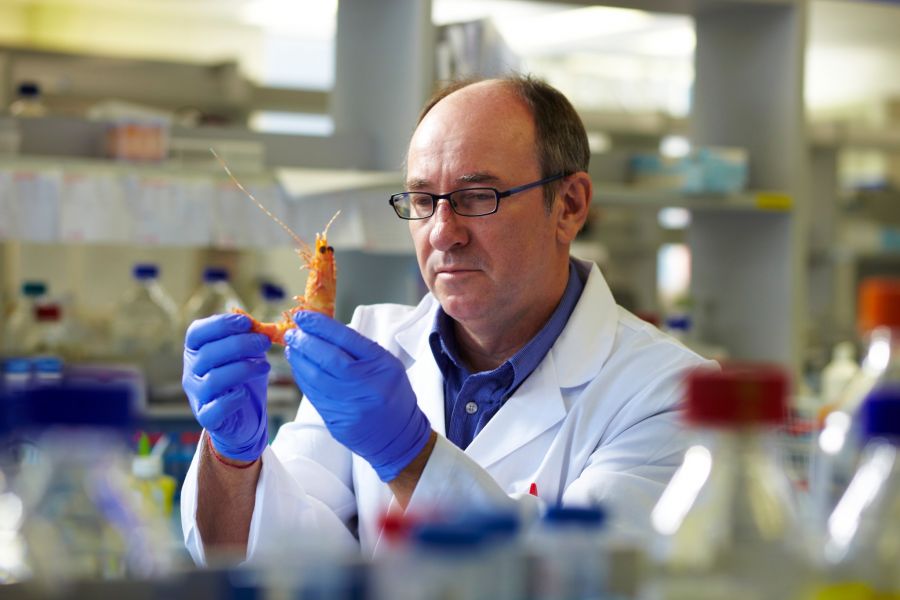
Food Allergy Week
Australia has one of the highest rates of food allergies in the world, with more than 1.5 people living with a food allergy - and they are on the rise. There has been a 51 per cent increase in anaphylaxis presentations to emergency departments over the past 5 years, growing to more than 11,500 per year.
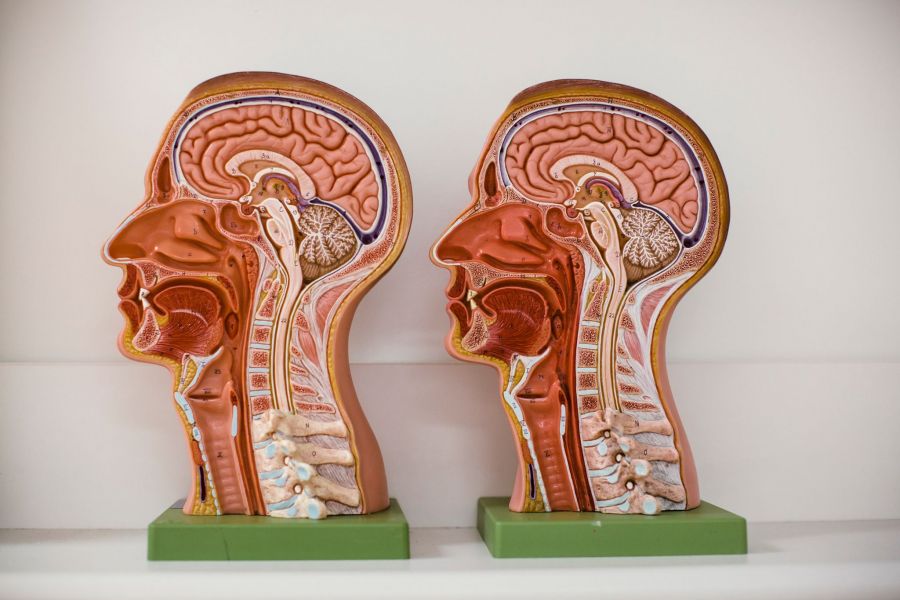
Exploring the brain on politics
The Australian Institute of Tropical Health and Medicine (AITHM) researchers are exploring a new theory on how the chemistry of the brain causes people to form political opinions. Neuroscientist Professor Zoltan Sarnyai was part of an international team exploring the Threat-based Neural Switch Theory, which they hope will calm the political landscape and help people make more considered judgements.
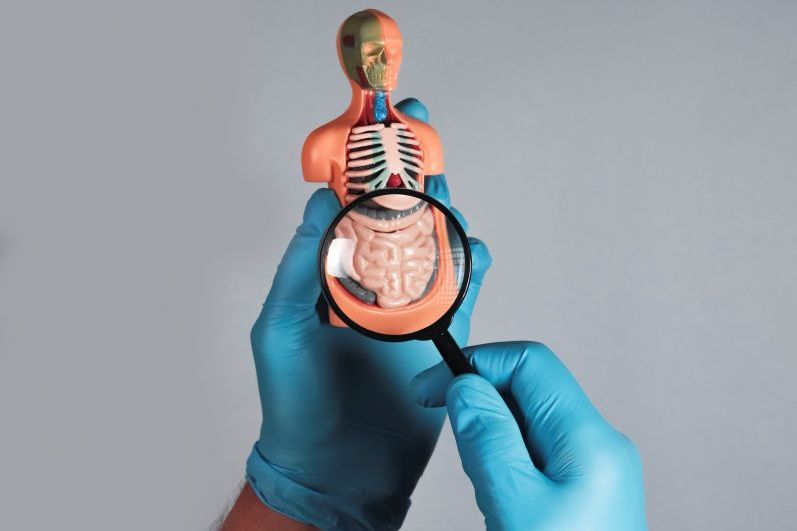
Gut response to ageing immune cells
Australians are developing inflammatory bowel disease (IBD) at an increasing rate and, in a majority of cases, at a younger age. The average age of onset is about 15-25 years. These IBD sufferers have a higher chance of later developing bowel cancer — the second deadliest cancer in the world.

Health data divide: rural challenges revealed
Restrictions on public access to information about health service delivery, combined with reliance on health data sources that are not fit for purpose, are hindering the provision of adequate health care to Northern Queensland rural and remote communities.

Battling dengue with mosquitos and math
Annually, around 400 million people worldwide contract dengue and some 40,000 lives are lost to the disease. A viral infection, dengue is spread by Aedes mosquitoes. Seasonal outbreaks of dengue were common in the North Queensland city of Townsville — prior to the strategic release of mosquitoes infected with Wolbachia, a naturally occurring bacteria which disarms their ability to transmit dengue to humans.

Developing a digital health highway in Northern Australia
Covid-19-imposed isolation put telehealth on the map. Health researchers are now exploring new ways to grow digital health opportunities for patients where isolation is an ongoing part of daily life, and for the healthcare providers who serve them.
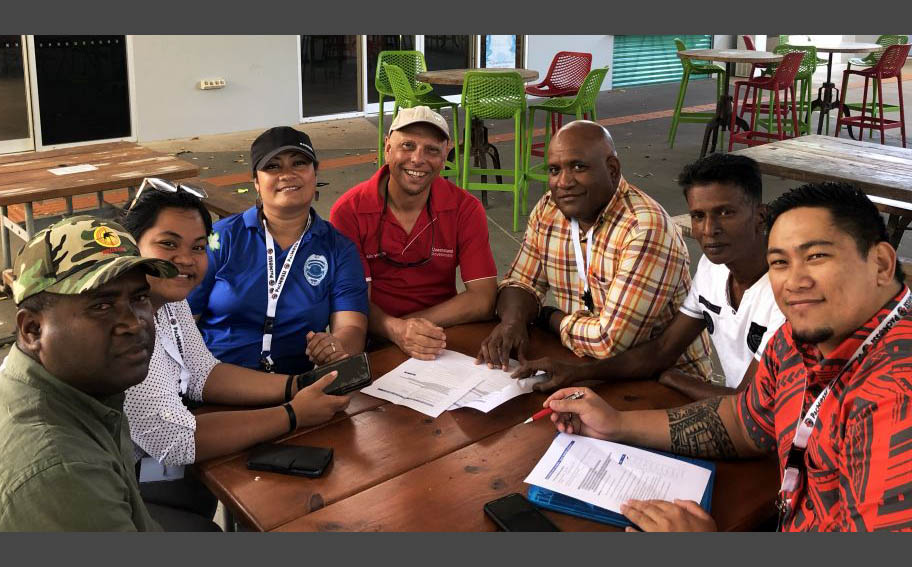
Spraying away Pacific Island mozzies
Public health officials from 12 Pacific Island countries are visiting the James Cook University (JCU) Cairns campus this week for training that will help protect their communities from mosquito-borne diseases.
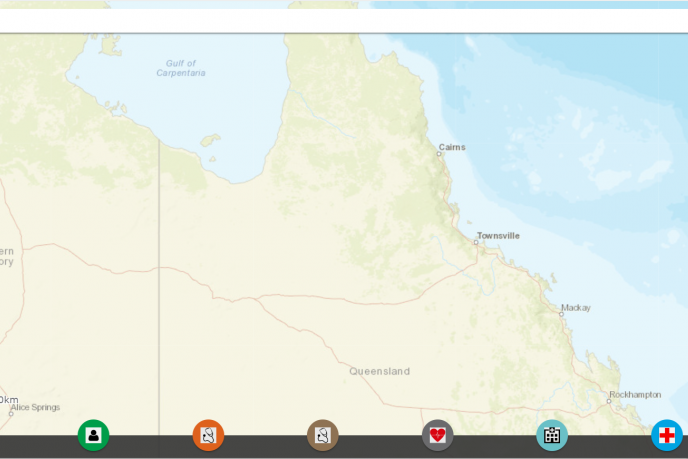
Mapping care across North Queensland
A JCU-led project has created a unique, interactive health map of North Queensland. The open-access resource provides a clearer picture of unmet community health needs, which have been exacerbated by crucial gaps in information sharing between multiple health systems in the region.
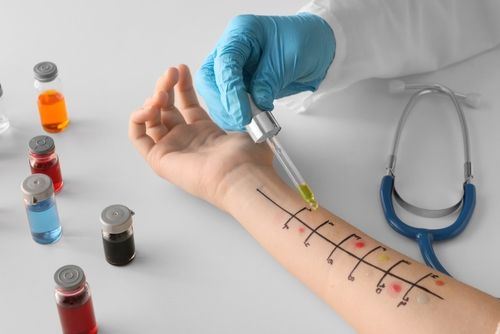
A deeper dive into shellfish allergy diagnosis
Shellfish are the number one food-related trigger of fatal allergic reactions in Australia. Accurate diagnosis is vital for identifying appropriate management tools and preventing adverse health effects. However, new research shows that one of the most common methods for diagnosing food allergies can yield unreliable results.
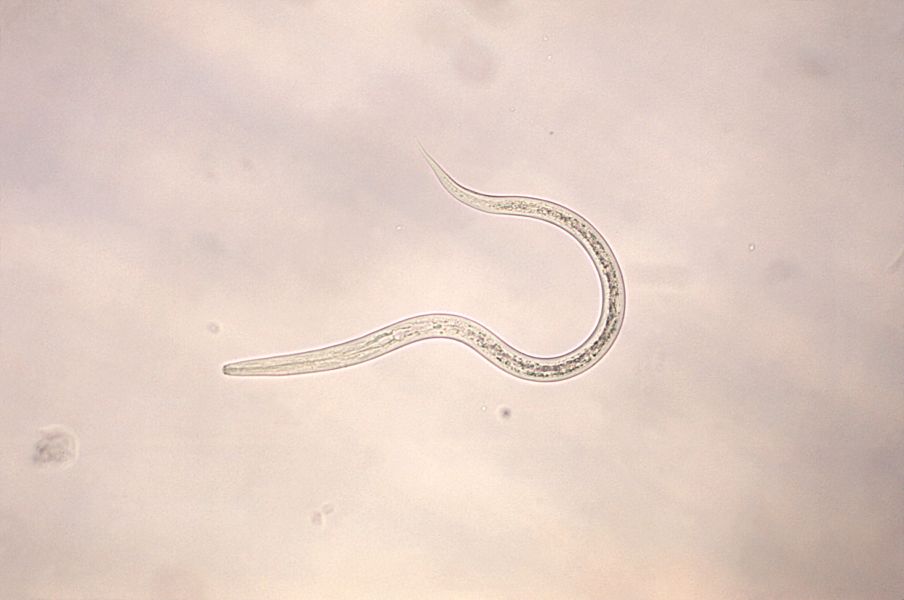
Through the worm hole to new pharma remedies
Inflammatory bowel disease (IBD) includes debilitating conditions such as ulcerative colitis (UC) and Crohn’s disease. IBD affects more than six million people worldwide, including over 100,000 Australians. Current drug treatment, including antibiotics and steroids, can have serious side effects and often becomes ineffective over time. New therapies are desperately needed.
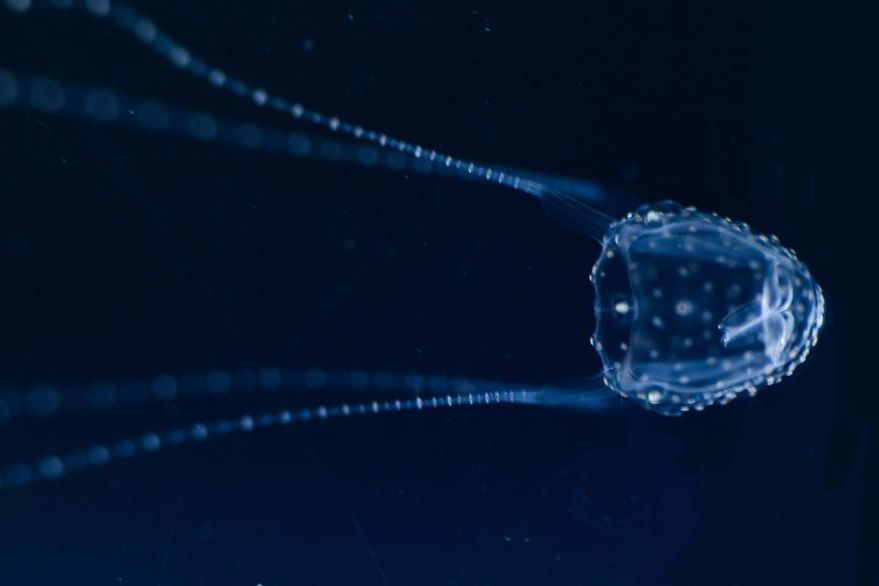
World-first research into the ebb and flow of the deadly Irukandji jellyfish
A JCU PhD researcher who took to the sea to pursue a world-first study into the environmental triggers that guide the elusive Irukandji jellyfish has dispelled one theory – that wind patterns nudge them closer to beaches – and generated other new data which could aid future strategies to help keep swimmers safe.
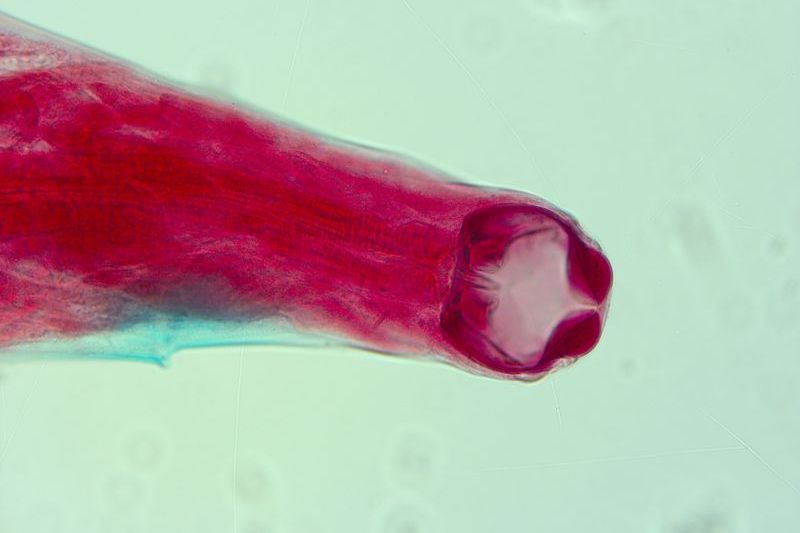
This worm turns into a potential safeguard against Type 2 diabetes
A JCU world-first human trial into the safety and efficacy of using live hookworms to treat metabolic disorders, including heightened insulin resistance – a precursor to Type 2 diabetes – has yielded promising results, sparking interest in staging an international, larger-scale trial.
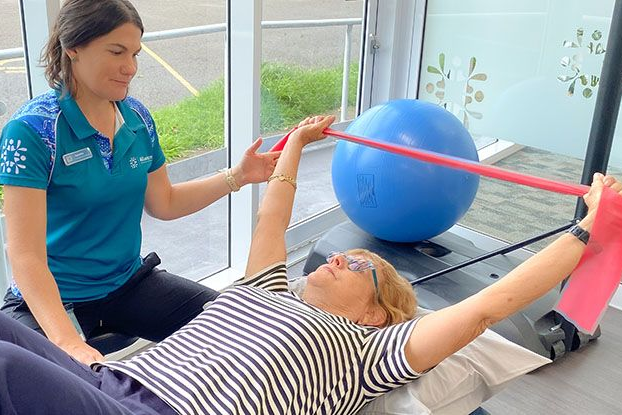
Townsville joins world-first stroke rehabilitation trial
Stroke is a leading cause of disability in Australia. In 2020, it was estimated that the national economic impact of stroke was $6.2 billion in direct financial costs. Some 445,000 stroke survivors – and their families – were dealing daily with the emotional cost. And the number is growing. More people are surviving stroke. The challenge is to maximise their recovery – and quality of life – through rehabilitation.
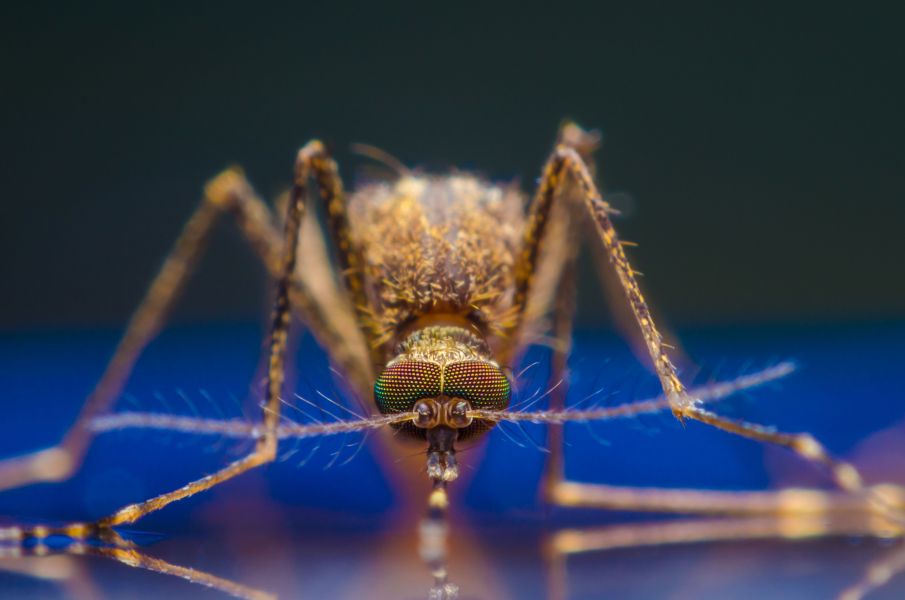
Know your enemy: Plotting the path of mosquito species in the Pacific
Vector control programs designed to limit the spread of mosquito-borne diseases, including malaria and dengue, have one of the highest returns on investment in public health. But control programs require up-to-date intelligence to develop the most effective responses – a particular challenge in the Pacific region.
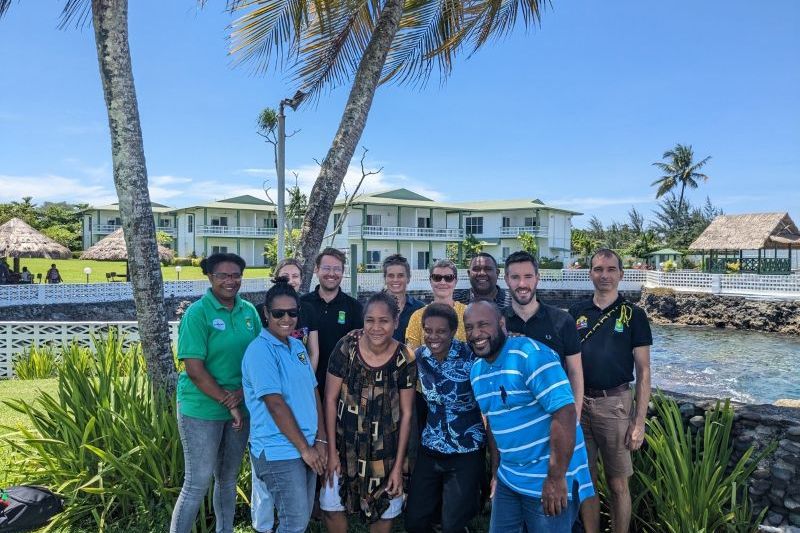
The hard yards in malaria research
As a JCU PhD student, Lincoln Timinao elected to spend the entire COVID-19 lockdown period with his test subjects – mosquitoes – at the Papua New Guinea Institute of Medical Research (PNGIMR). A decision which has led to breakthroughs in malaria research.