
Australian Institute of Tropical Health and Medicine Infrastructure and facilities Facilities in Cairns
Facilities in Cairns
- MRCMHR
- Future Students
- JCU Global Experience
- International Students
- Student experience
- Open Day
- How to apply
- Pathways to university
- Living on Campus
- Courses
- Publications
- Mature students
- Scholarships
- Entry options
- JCU Families
- JCU Heroes Programs
- Aboriginal and Torres Strait Islander in Marine Science
- Elite Athletes
- Defence
- Capability.Co
- AI@JCU
- AALL
- Current Students
- Student Ambassador Program
- New students
- JCU Orientation
- LearnJCU
- Placements
- EDQS
- Unicare Centre and Unicampus Kids
- Graduation
- Off-Campus Students
- JCU Job Ready
- Safety and Wellbeing
- JCU Prizes
- Professional Experience Placement
- Employability Edge
- Art of Academic Writing
- Art of Academic Editing
- Careers and Employability
- Health, Wellbeing and Belonging
- Career Ready Plan
- Careers at JCU
- Partners and Community
- School Outreach and Widening Participation
- Alumni
- International partnerships
- About JCU
- Reputation and Experience
- Chancellery
- Governance
- Celebrating 50 Years
- Academy
- Indigenous Engagement
- Education Division
- Research Festival
- Graduate Research School
- Research Division
- Research and Innovation Services
- CASE
- College of Business, Law and Governance
- College of Healthcare Sciences
- College of Medicine and Dentistry
- College of Science and Engineering
- MPE
- Anthropological Laboratory for Tropical Audiovisual Research (ALTAR)
- Rural Remote and Tropical Health Systems
- Agriculture Technology and Adoption Centre (AgTAC)
- Advanced Analytical Centre
- Australian Institute of Tropical Health and Medicine
- AMHHEC
- Aquaculture Solutions
- AMHRA
- JCU Digital Wellbeing Group
- ARCSTA
- Lions Marine Research Trust
- Australian Tropical Herbarium
- Australian Quantum & Classical Transport Physics Group
- Boating and Diving
- Clinical Psychedelic Research Lab
- Centre for Tropical Biosecurity
- Centre for Tropical Bioinformatics and Molecular Biology
- CITBA
- CMT
- Centre for Disaster Solutions
- CSTFA
- Cyclone Testing Station
- The Centre for Disaster Studies
- Daintree Rainforest Observatory
- Fletcherview
- JCU Eduquarium
- JCU Turtle Health Research
- MARFU
- Orpheus
- TESS
- JCU Ideas Lab
- CADSI
- CNL
- TARL
- eResearch
- Indigenous Education and Research Centre
- Past Course and Subject Handbooks
- Estate
- Work Health and Safety
- Staff
- Discover Nature at JCU
- Cyber Security Hub
- Association of Australian University Secretaries
- Services Division
- Environmental Research Complex [ERC]
- Foundation for Australian Literary Studies
- Gender Equity at JCU
- Give to JCU
- Indigenous Legal Needs Project
- Inherent Requirements
- IsoTropics Lab
- IT Services
- JCU Webinars
- JCU Events
- JCU Motorsports
- JCU Sport
- Library
- Mabo Decision: 30 years on
- Marine Geophysics Laboratory
- Office of the Vice Chancellor and President
- Outstanding Alumni
- Policy
- PAHL
- Queensland Research Centre for Peripheral Vascular Disease
- Rapid Assessment Unit
- RDIM
- Researcher Development Portal
- Roderick Centre for Australian Literature and Creative Writing
- Contextual Science for Tropical Coastal Ecosystems
- State of the Tropics
- Strategic Procurement
- Student profiles
- SWIRLnet
- TREAD
- TropEco for Staff and Students
- TropCOVID: Mapping COVID-19 Immunity in Far North Queensland
- TUDLab
- VAVS Home
- WHOCC for Vector-borne & NTDs
- Media
- Copyright and Terms of Use
- Australian Institute of Tropical Health & Medicine
- JCU Respect
- Pay review
- Research
Approved arrangement facilities
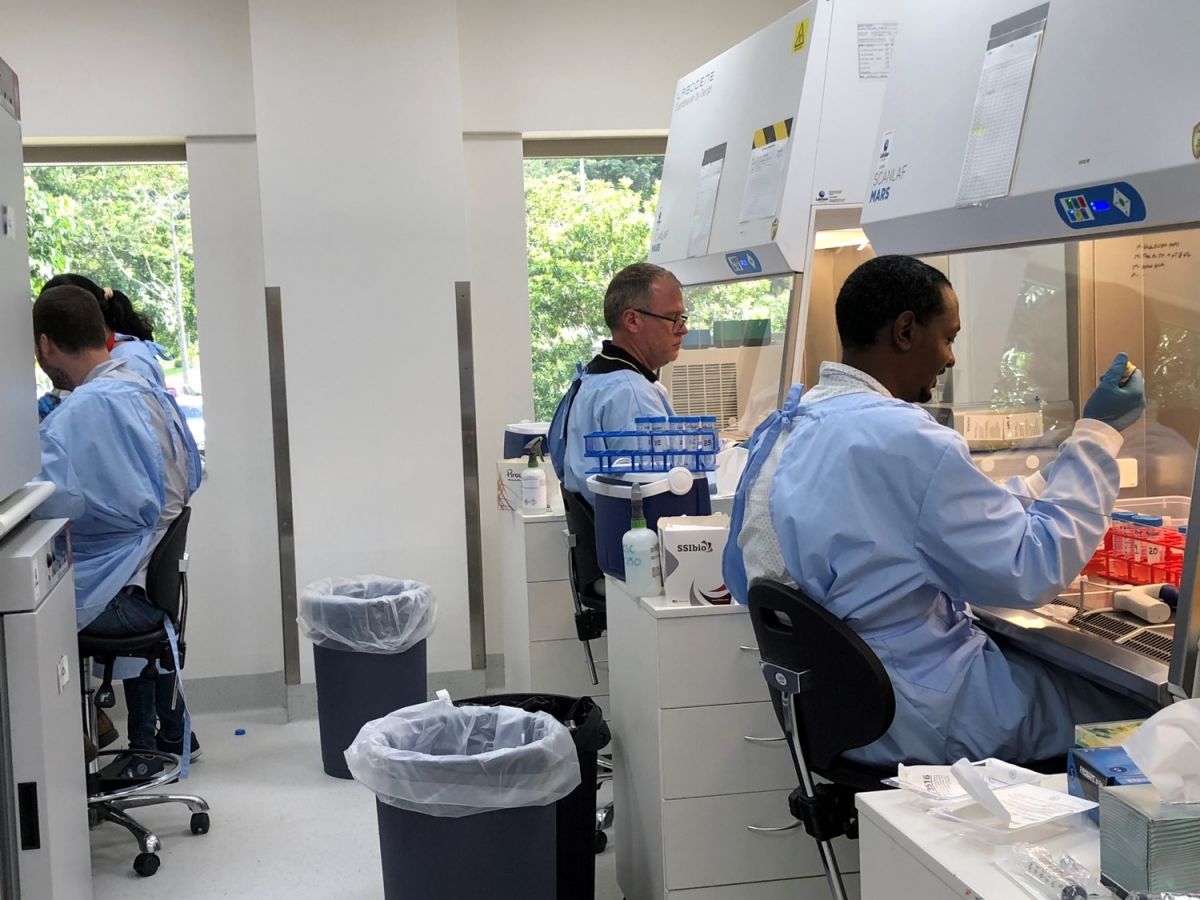
We operate quarantine facilities approved by the Department of Agriculture, Fisheries and Forestry (DAFF) for research involving biological materials regulated under Australia’s biosecurity laws. The approved arrangement classifications at our sites include:
- Class 5.21 (microbiological) for work with imported microorganisms and biological samples
- Class 5.25 (invertebrate) for research involving regulated invertebrate species
- Class 5.22 (animal) for approved research with regulated animal materials
Natural Microbial Exposure facility
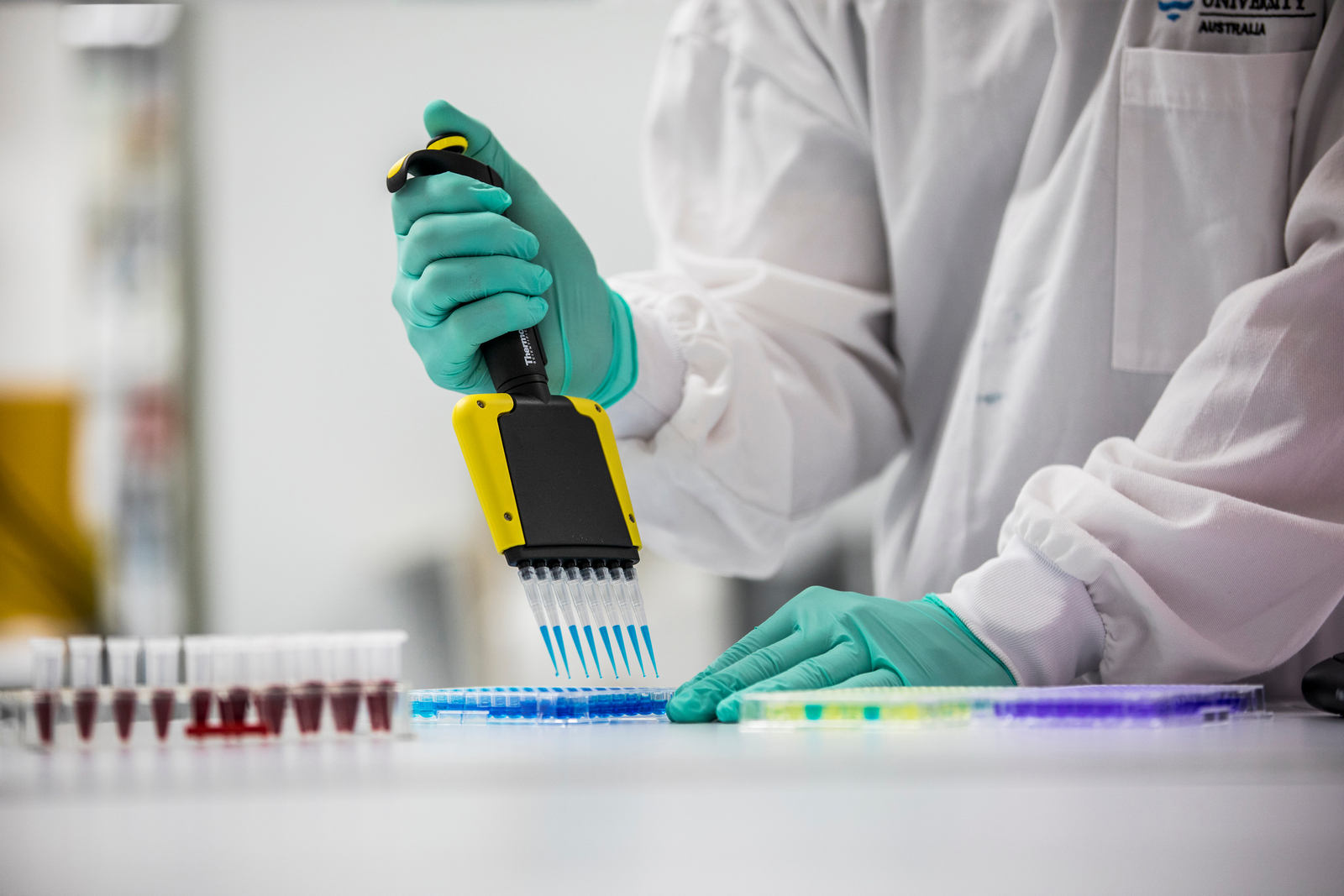
The Natural Microbial Exposure (NME) Facility provides a specialised research environment designed to model physiologically relevant microbial exposure conditions. Unlike relatively sterile conventional laboratory environments, the facility enables controlled microbial diversification, allowing biological systems to develop under conditions that more closely reflect those encountered in natural environments.
The NME Facility serves as the experimental platform for the Microbial Exposure–Driven Translational Research in the Tropics (MED-TRopics) Program, which is led by Dr Roland Ruscher. It provides the infrastructure for translational studies that bridge the gap between traditional laboratory research and real-world biomedical biology. This will lead to more predictive research relevant to human health, therapeutic development, and vaccine discovery.
EduQuarium
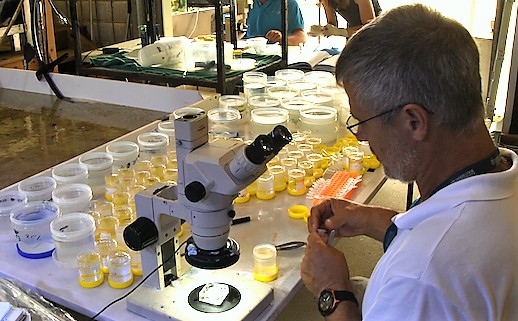
From humble beginnings in 1997, the EduQuarium started life as a series of small glass fish tanks established by Dr Jamie Seymour and Emmy Award-winning cinematographer Richard Fitzpatrick.
Today, Professor Seymour’s EduQuarium is a world‑class research and education facility based on the James Cook University campus in Cairns, specialising in tropical Australian venomous animals and toxicology, and supporting research, training and public engagement.
Invertebrate facilities
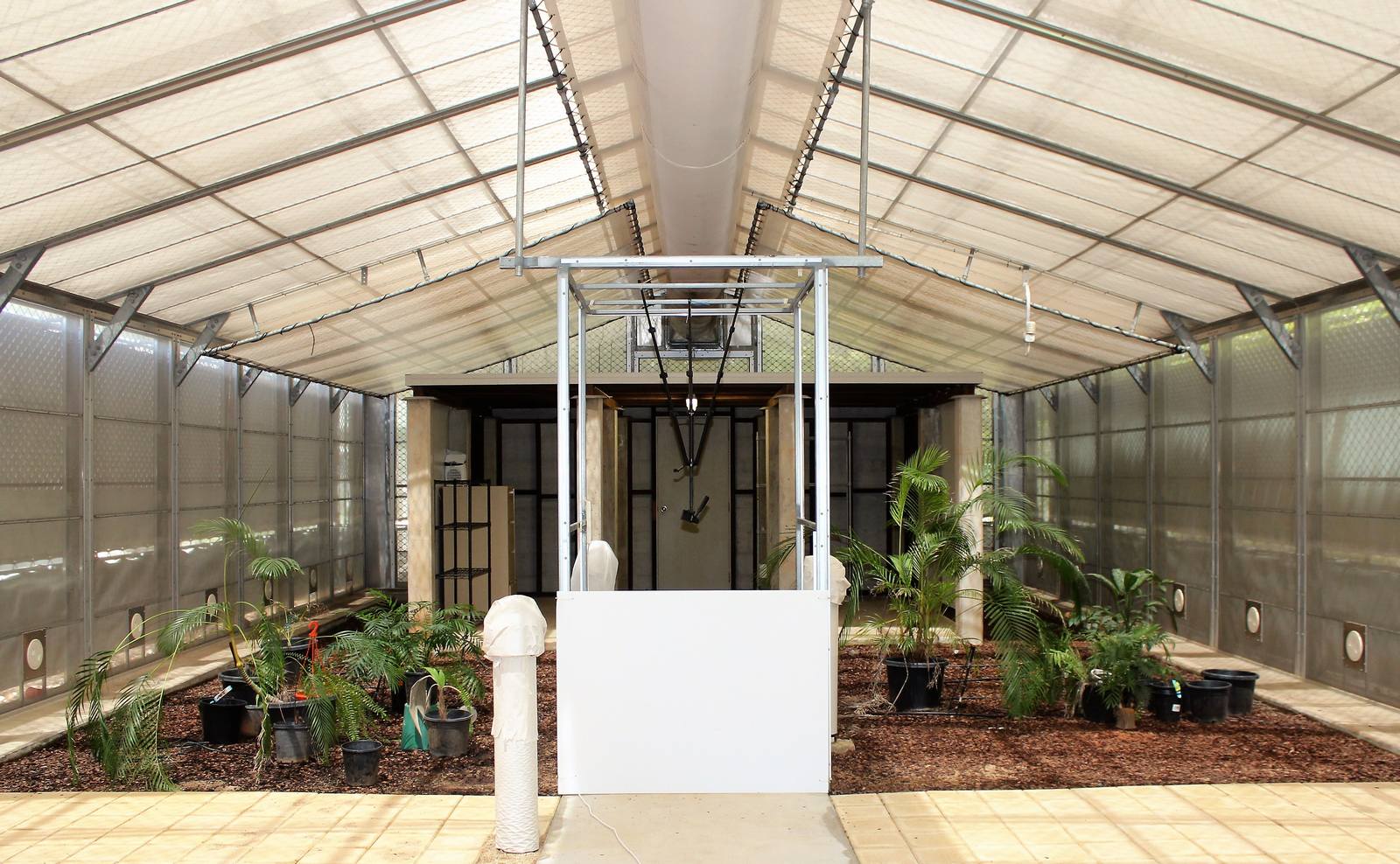
In Cairns, we have two invertebrate facilities — a PC2 OGTR approved invertebrate laboratory and the Tropical Medicine Mosquito Research Facility (TMMRF), funded by the Gates Foundation. These facilities are used to house and produce large numbers of mosquitos for research on vector-borne disease transmission and control. The TMMRF features a laboratory, three constant temperature larvae rearing rooms, and two semi-field flight cages that stimulate the natural environment, allowing researchers to trial trapping and release strategies.
Tissue culture suites
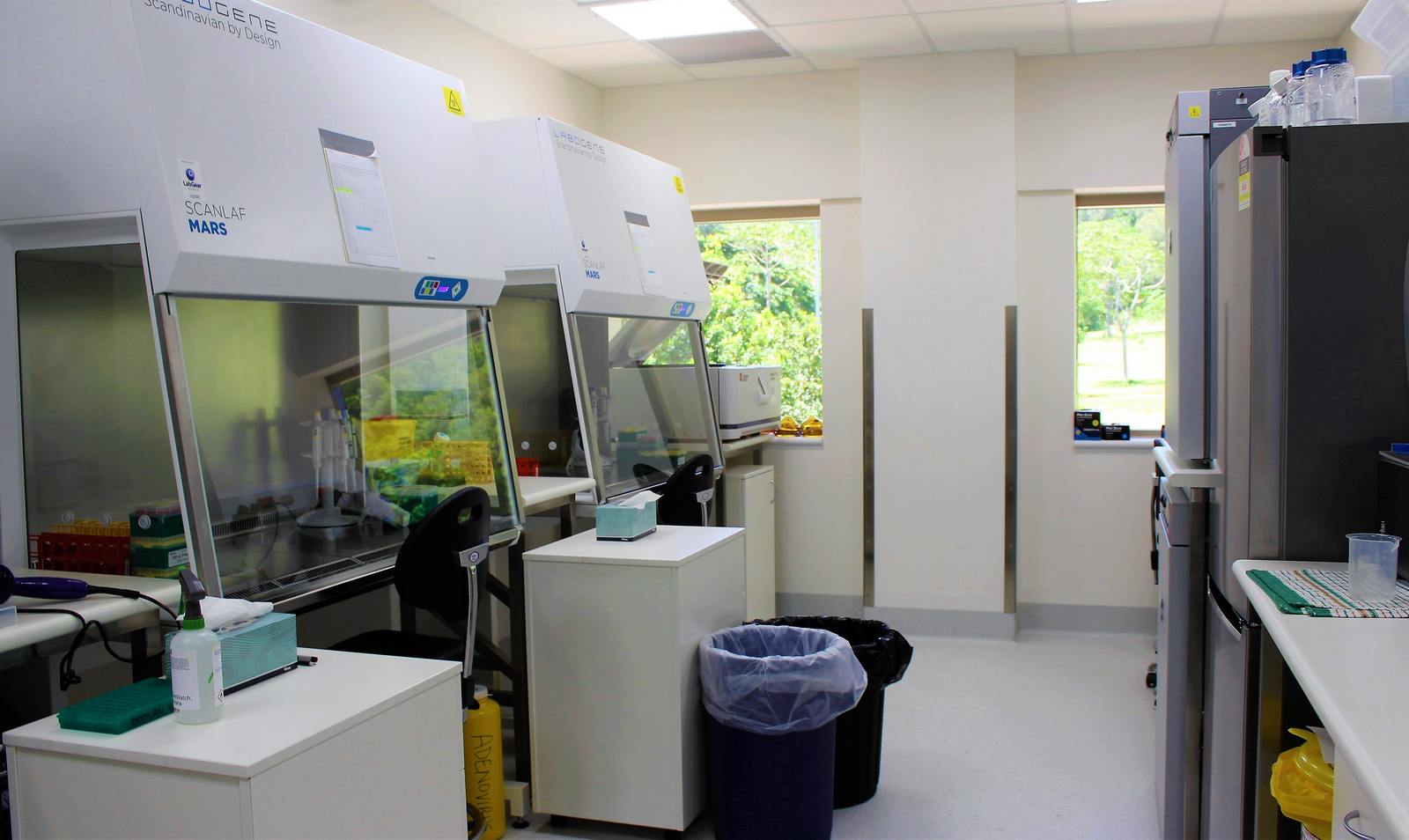
Specialist tissue culture suites support infectious and non-infectious research involving human, animal and parasite cells and tissues. Our suites feature contamination-controlled, pressurised rooms with biosafety cabinets and incubators, and are OGTR-approved for work with genetically modified organisms.
Biological resource facilities
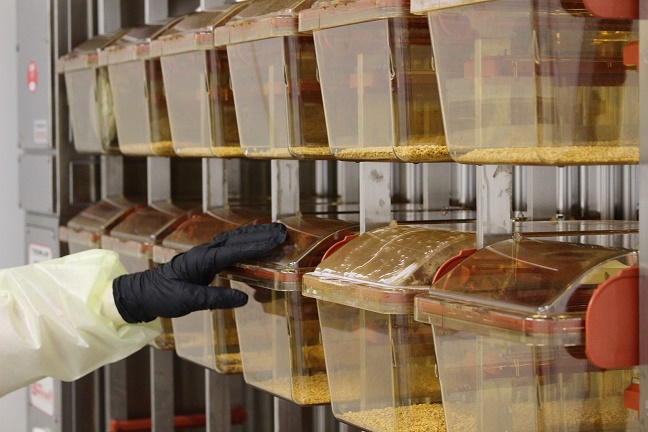
Our biological resource facilities support the housing, management and maintenance of a wide range of biological materials used in approved research projects. These facilities provide secure, controlled environments for invertebrates (e.g. mosquitoes), animals, cryostorage, and cell and tissue culture. Our experienced technical staff ensure safe, compliant and high-quality research conditions across all sites.
Cryostore and Biobank facilities
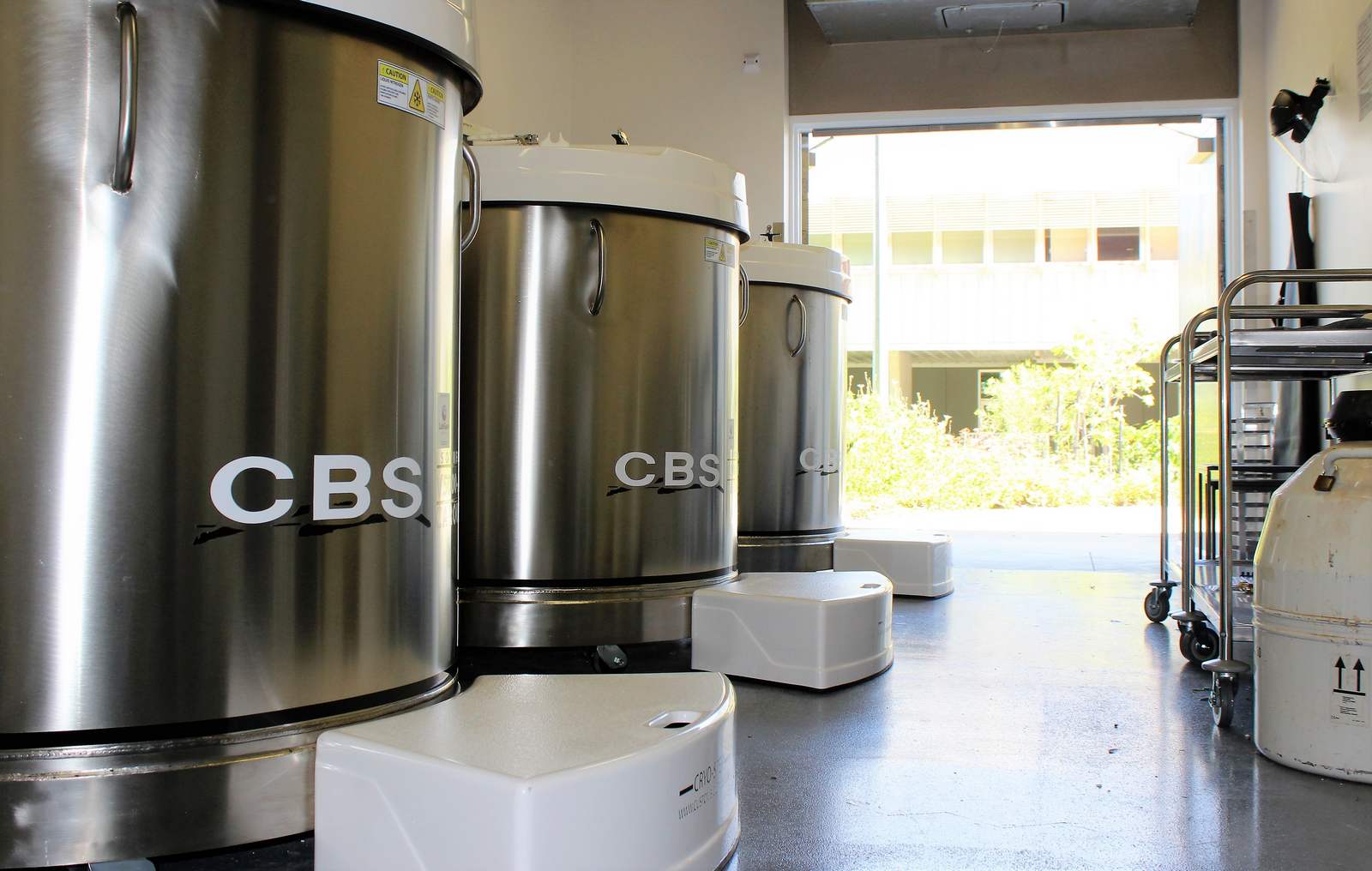
Our cryostore and biobank facilities are capable of storing and cataloguing an extensive biological sample library for biomedical research into human diseases. In total, our facilities in Cairns can securely store up to 80,000 biological samples in liquid nitrogen (-190°C) and ultra-low temperature freezers (-80°C) and continuously monitored using a Building Management System (BMS).
Advanced analytical platforms
TripleTOF 6600 mass spectrometer
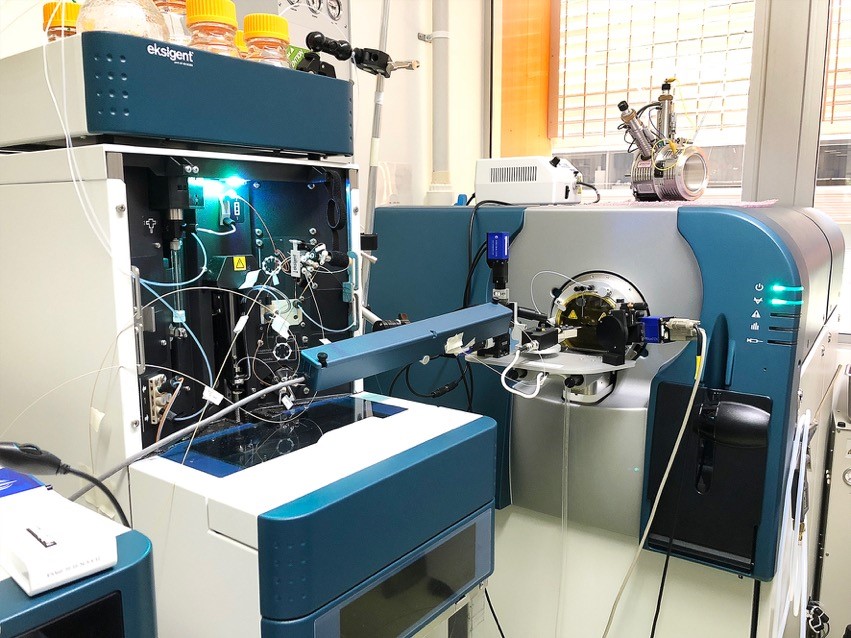
The SCIEX TripleTOF 6600 Quadrupole Time-Of-Flight system allows researchers to analyse complex biological samples in high detail. It can identify and measure proteins, peptides and other molecules, helping researchers discover disease biomarkers, understand pathogen mechanisms and support the development of new treatments and vaccines.
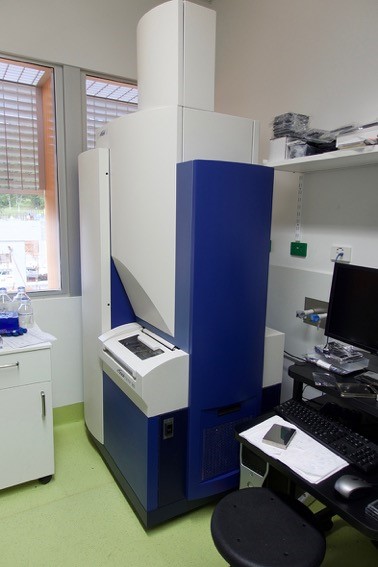
MALDI-TOF/TOF MS
Our SCIEX 5800 MALDI TOF/TOF mass spectrometer enables the rapid identification of proteins and molecules, aiding research into disease processes and biomarker discovery.
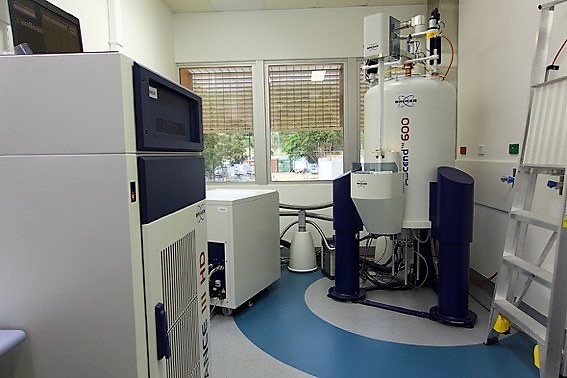
Nuclear Magnetic Resonance (NMR) spectrometer
The Bruker Avance III 600 NMR spectrometer is capable of investigating structure and dynamics in proteins, RNA and small molecules including peptides, helping researchers identify potential drug and vaccine targets for tropical diseases.
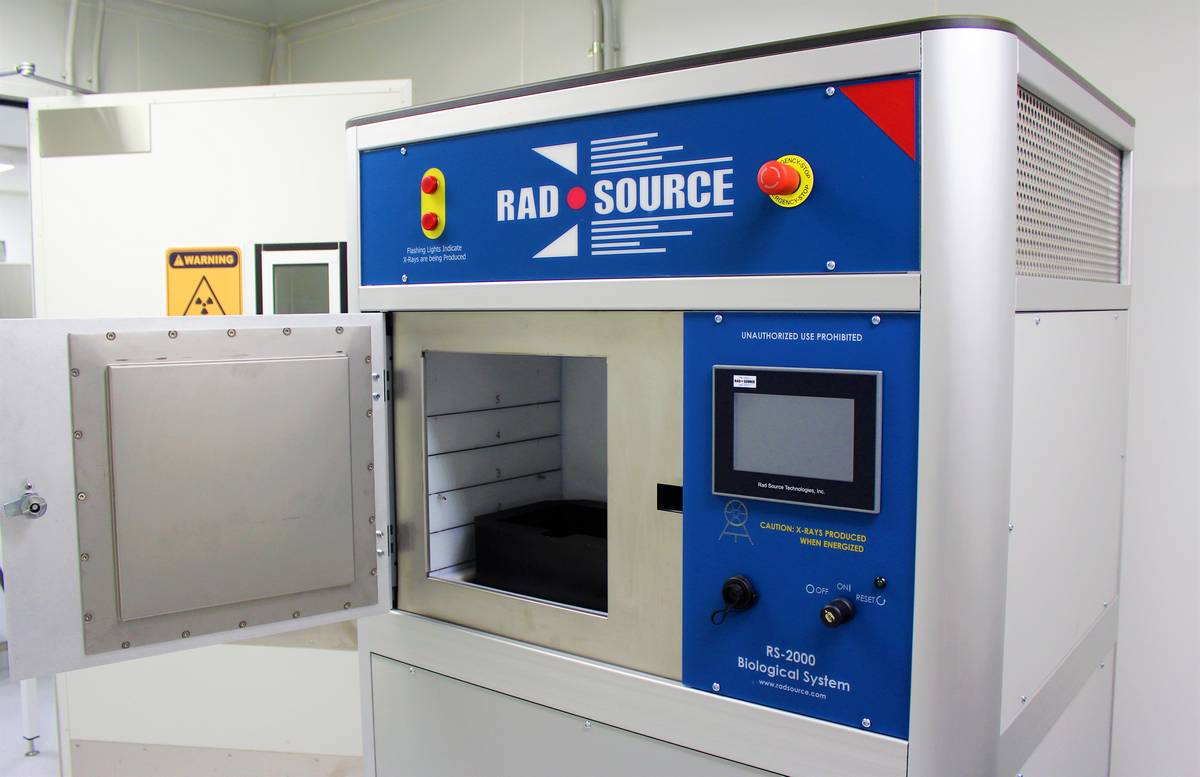
Irradiator facilities
In Cairns, we use X-ray irradiators to safely treat biological samples, supporting research on infectious diseases, parasites and cell lines.
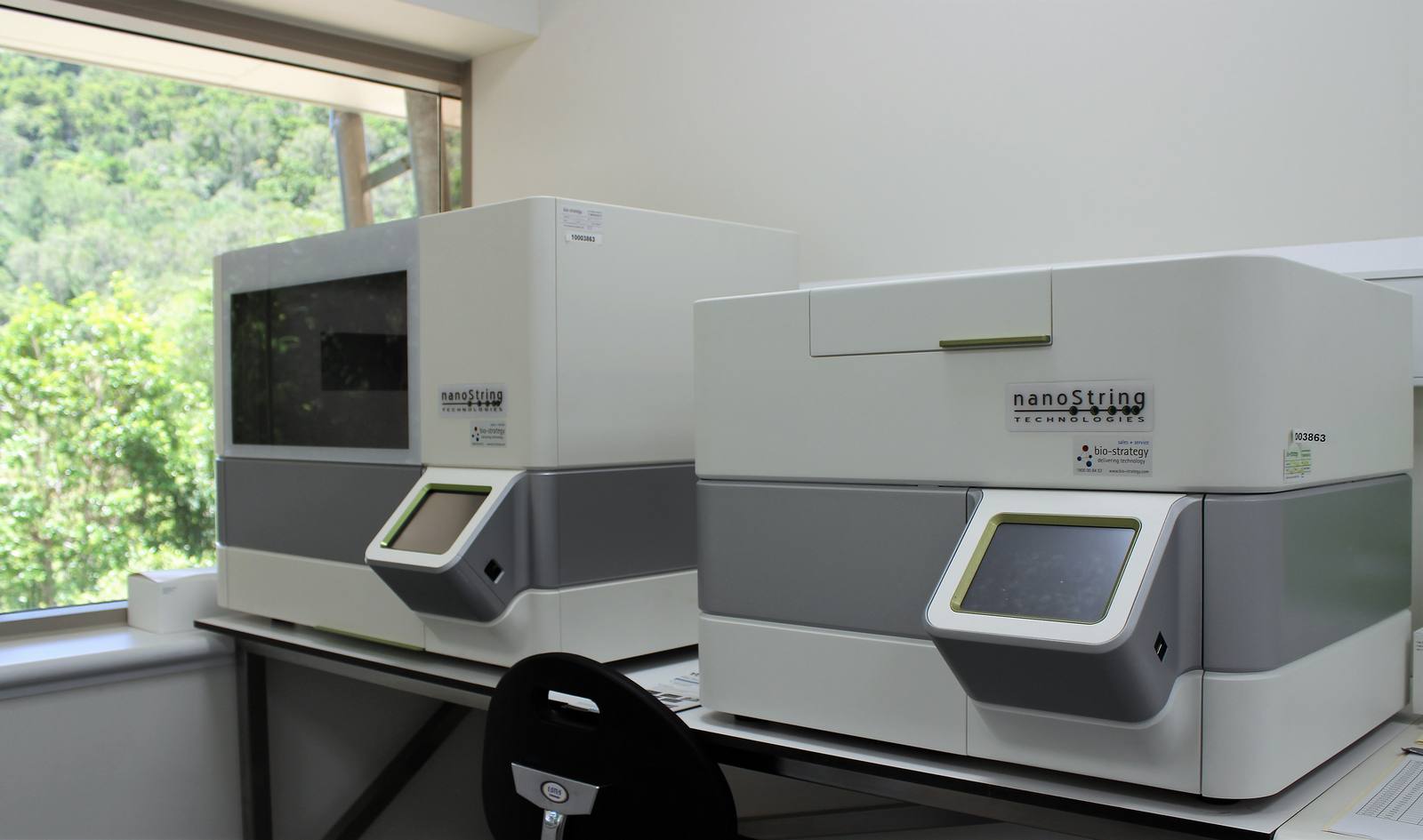
nCounter FLEX
The nanoString nCounter FLEX Analysis system uses advanced digital technology to measure multiple genetic targets at once. It can quantify up to 800 genes, small RNAs or DNA sequences in a single experiment, allowing precise study of gene expression in research on infectious and chronic diseases.
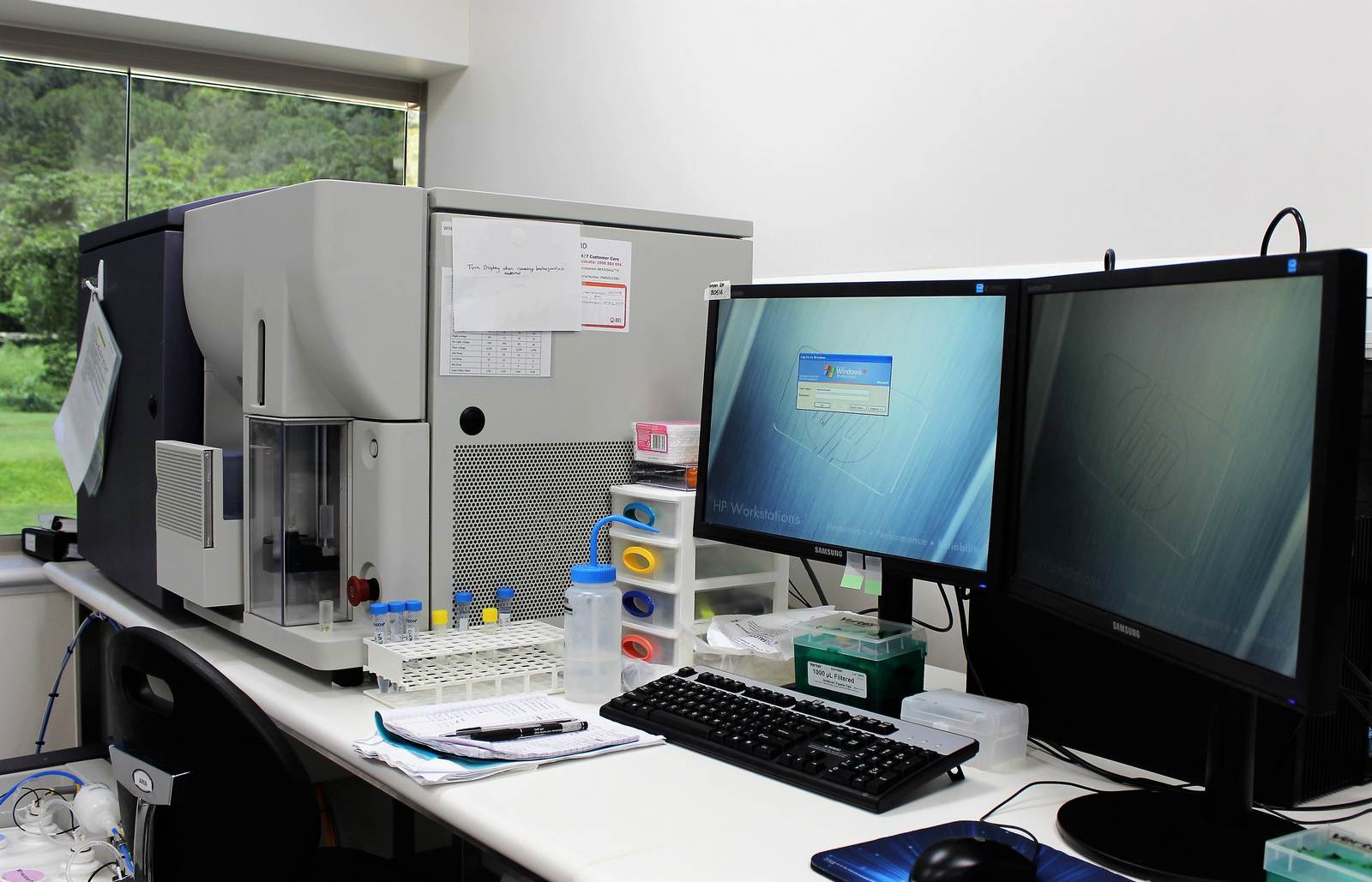
Flow cytometry facilities
We have several flow cytometry instruments that are used to identify, count and characterise cells, helping researchers understand immune responses, study pathogens and monitor experimental treatments. Both sites host a LSRFortessa X-20 5 Laser and 18 Colour Cell Analyser, used for multi-color, multi-parametric analysis of cells and particles. Cairns has both an ARIA III cell sorting instrument and a newly acquired Cytek Aurora 4-laser spectral Flow cytometer.
We also have a protein expression and purification workstation (AKTA Pure 25M1) (LEIF grant number LE230100128).
For enquiries about AITHM facilities and equipment, including fee-for-use and leasing arrangements, please contact aithm@jcu.edu.au.