MRCMHR Our People Advisory Groups Scientific Advisory Board
- MRCMHR
- Future Students
- JCU Global Experience
- International Students
- Student experience
- Open Day
- How to apply
- Pathways to university
- Living on Campus
- Courses
- Publications
- Mature students
- Scholarships
- Entry options
- JCU Families
- JCU Heroes Programs
- Aboriginal and Torres Strait Islander in Marine Science
- Elite Athletes
- Defence
- Capability.Co
- AI@JCU
- AALL
- Current Students
- Student Ambassador Program
- New students
- JCU Orientation
- LearnJCU
- Placements
- EDQS
- Unicare Centre and Unicampus Kids
- Graduation
- Off-Campus Students
- JCU Job Ready
- Safety and Wellbeing
- JCU Prizes
- Professional Experience Placement
- Employability Edge
- Art of Academic Writing
- Art of Academic Editing
- Careers and Employability
- Health, Wellbeing and Belonging
- Career Ready Plan
- Careers at JCU
- Partners and Community
- School Outreach and Widening Participation
- Alumni
- International partnerships
- About JCU
- Reputation and Experience
- Chancellery
- Governance
- Celebrating 50 Years
- Academy
- Indigenous Engagement
- Education Division
- Research Festival
- Graduate Research School
- Research Division
- Research and Innovation Services
- CASE
- College of Business, Law and Governance
- College of Healthcare Sciences
- College of Medicine and Dentistry
- College of Science and Engineering
- MPE
- Anthropological Laboratory for Tropical Audiovisual Research (ALTAR)
- Rural Remote and Tropical Health Systems
- Agriculture Technology and Adoption Centre (AgTAC)
- Advanced Analytical Centre
- Australian Institute of Tropical Health and Medicine
- AMHHEC
- Aquaculture Solutions
- AMHRA
- JCU Digital Wellbeing Group
- ARCSTA
- Lions Marine Research Trust
- Australian Tropical Herbarium
- Australian Quantum & Classical Transport Physics Group
- Boating and Diving
- Clinical Psychedelic Research Lab
- Centre for Tropical Biosecurity
- Centre for Tropical Bioinformatics and Molecular Biology
- CITBA
- CMT
- Centre for Disaster Solutions
- CSTFA
- Cyclone Testing Station
- The Centre for Disaster Studies
- Daintree Rainforest Observatory
- Fletcherview
- JCU Eduquarium
- JCU Turtle Health Research
- MARFU
- Orpheus
- TESS
- JCU Ideas Lab
- CADSI
- CNL
- TARL
- eResearch
- Indigenous Education and Research Centre
- Past Course and Subject Handbooks
- Estate
- Work Health and Safety
- Staff
- Discover Nature at JCU
- Cyber Security Hub
- Association of Australian University Secretaries
- Services Division
- Environmental Research Complex [ERC]
- Foundation for Australian Literary Studies
- Gender Equity at JCU
- Give to JCU
- Indigenous Legal Needs Project
- Inherent Requirements
- IsoTropics Lab
- IT Services
- JCU Webinars
- JCU Events
- JCU Motorsports
- JCU Sport
- Library
- Mabo Decision: 30 years on
- Marine Geophysics Laboratory
- Office of the Vice Chancellor and President
- Outstanding Alumni
- Policy
- PAHL
- Queensland Research Centre for Peripheral Vascular Disease
- Rapid Assessment Unit
- RDIM
- Researcher Development Portal
- Roderick Centre for Australian Literature and Creative Writing
- Contextual Science for Tropical Coastal Ecosystems
- State of the Tropics
- Strategic Procurement
- Student profiles
- SWIRLnet
- TREAD
- TropEco for Staff and Students
- TropCOVID: Mapping COVID-19 Immunity in Far North Queensland
- TUDLab
- VAVS Home
- WHOCC for Vector-borne & NTDs
- Media
- Copyright and Terms of Use
- Australian Institute of Tropical Health & Medicine
- JCU Respect
- Pay review
- Research
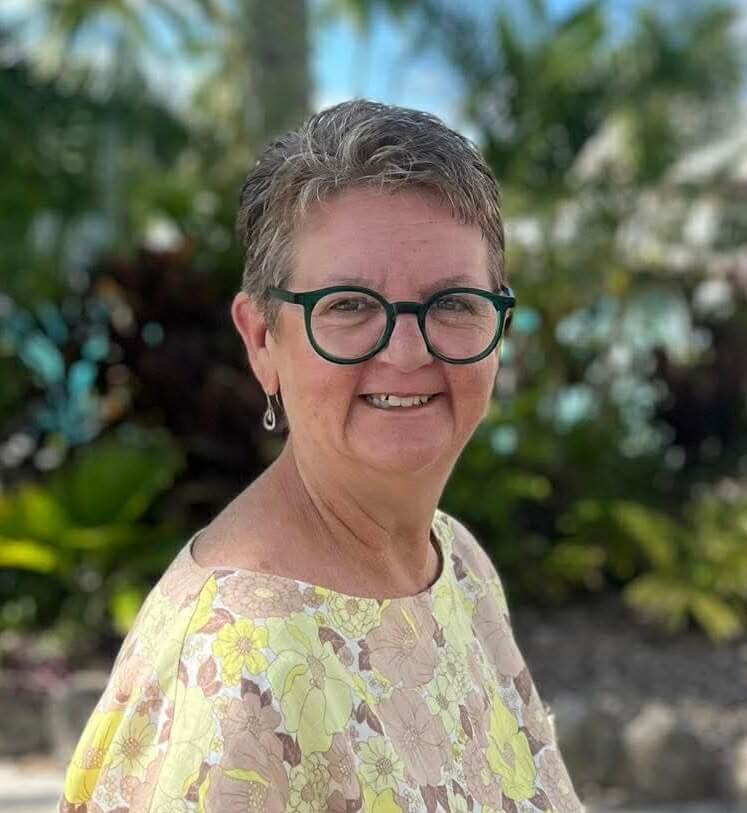
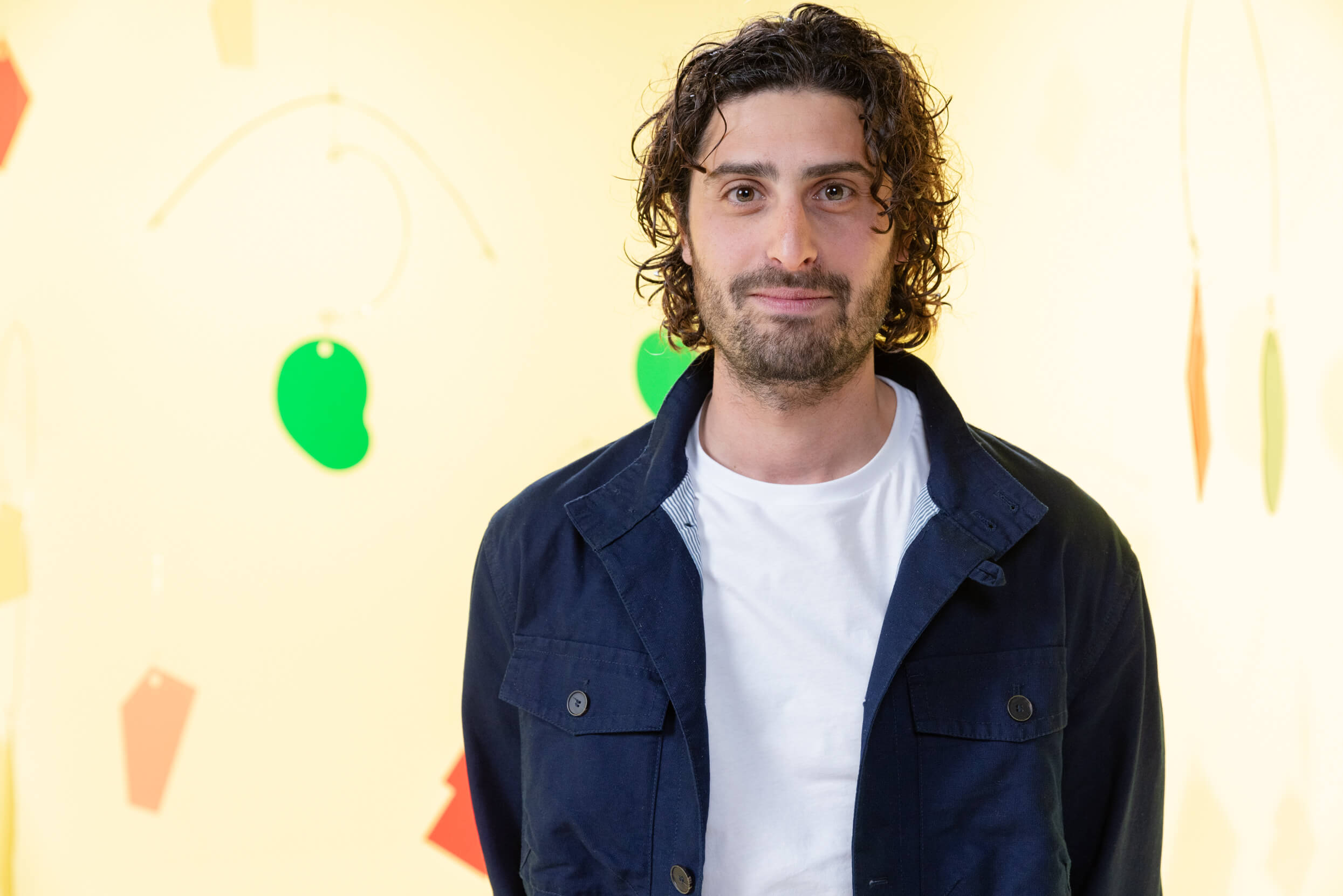
Dr Harris Eyre
Harris is a physician, neuroscientist, entrepreneur, and strategist. Harris is credited for pioneering the brain economy transition across sectors and industries. He is dedicated to fostering awareness, data, tools, investment, and leadership to drive the transition.
Harris was the senior author of the first technical paper on the brain economy published in 2021, he co-led the OECD Neuroscience-Inspired Policy Initiative, and supported the development of the Global Brain Capital Dashboard, published via The Brookings Institution. The work continues to proliferate and mature, and Eyre works across the spectrum of research, strategy, movement building, and execution. In 2025, the President of Cameroon endorsed The Yaoundé Declaration on the Brain Economy, the Center for Houston's Future launched the first city-level brain economy initiative, and brain-lens investing was articulated, and brain economy science strategy frameworks were pioneered. In 2026, the World Economic Forum (WEF) and McKinsey Health Institute launched a Brain Economy Insights Report. Multi-national corporations and politicians across the globe are collaborating actively.
He is Co-Lead of the Brain & Society Initiative of the Rice Brain Institute, a Faculty Scholar with the Baker Institute for Public Policy, and adjunct with the schools of Engineering and Social Sciences.
Eyre is an alumnus of the Forbes 30 Under 30 and the Fulbright Scholar program. He has garnered recognition with the EB1A Green Card, an honor typically reserved for Nobel and Pulitzer prize winners. He has authored over 200 papers and chapters in outlets such as Nature Medicine, Neuron, The Brookings Institution, WEF, and was the lead editor of the book 'Convergence Brain Health' (Oxford Press).
Beyond his professional achievements, Harris has authored a reflective short story titled "My Migraines are a Superpower." In his free time, he enjoys family time and activities such as mountain biking, meditation, and podcasts. He is originally from the Great Barrier Reef region of Australia.
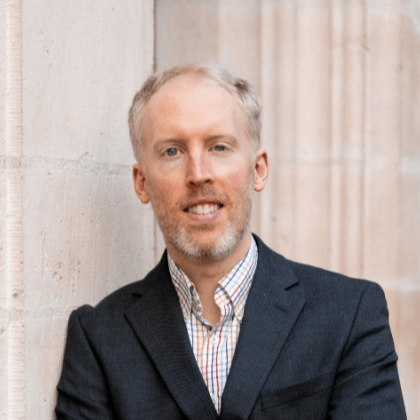
Professor Ernest Hunter
Ernest Hunter is an Australian medical graduate (UWA), trained in adult, child and cross-cultural psychiatry, and public health in the United States (Washington University, University of Hawaii and University of Michigan) before returning to Australian in the mid-1980s. His doctoral work (University of New South Wales) in the Kimberley was published as Aboriginal Health and History: Power and Prejudice in Remote Australia (Cambridge University Press). He has worked for over three decades in Cape York and the Torres Strait as a clinician and as Foundation Chair in Mental Health (Public Health) with University of Queensland based in Cairns. For the last decade since clinical retirement from Queensland Health he has been an Adjunct Professor with the Cairns Institute of James Cook University in Cairns. He continues to work in the mental health/public health space in remote Indigenous communities through the Schools Up North project auspiced by Youth Empowered Toward Independence (YETI). He is author of several hundred publications in the academic and popular press.
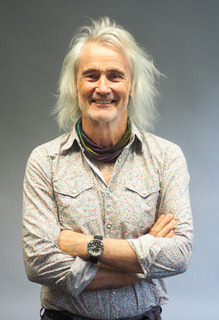
Scientific Advisory Board
Professor Dost Ongur
A native of Istanbul, Turkey, Dr. Öngür obtained his M.D./Ph.D. degree from Washington University in St. Louis and psychiatric residency training at the MGH/McLean Adult Psychiatry program. He is currently the William P. and Henry B. Test Professor of Psychiatry at Harvard Medical School and Chief of the Psychotic Disorders Division at McLean Hospital.
Dr. Öngür is the author of more than 300 articles on research into neurobiology, bipolar disorder, and schizophrenia. His research uses brain imaging approaches to probe brain abnormalities in psychotic disorders as well as clinical studies to understand the trajectories of illness in early phases of these disorders. He is currently the principal investigator of a P50 Center grant from the NIMH focused on early psychosis research. He is also an active clinician and an administrator responsible for all clinical services serving patients with psychotic disorders at McLean.
For his teaching and mentoring, Dr. Öngür has won awards from McLean Hospital, Harvard Medical School, and the Kempf Award from the APA. He has served on Council for ACNP, SOBP and SIRS, on the Scientific Council for NARSAD/BBRF, and he is currently President-Elect for the Society of Biological Psychiatry, slated to serve as President for the 2027 SOBP Annual Meeting. He serves on the Future DSM Steering Committee for the American Psychiatry Association. Finally, he is the Editor in Chief of JAMA Psychiatry, a premier journal in the field.
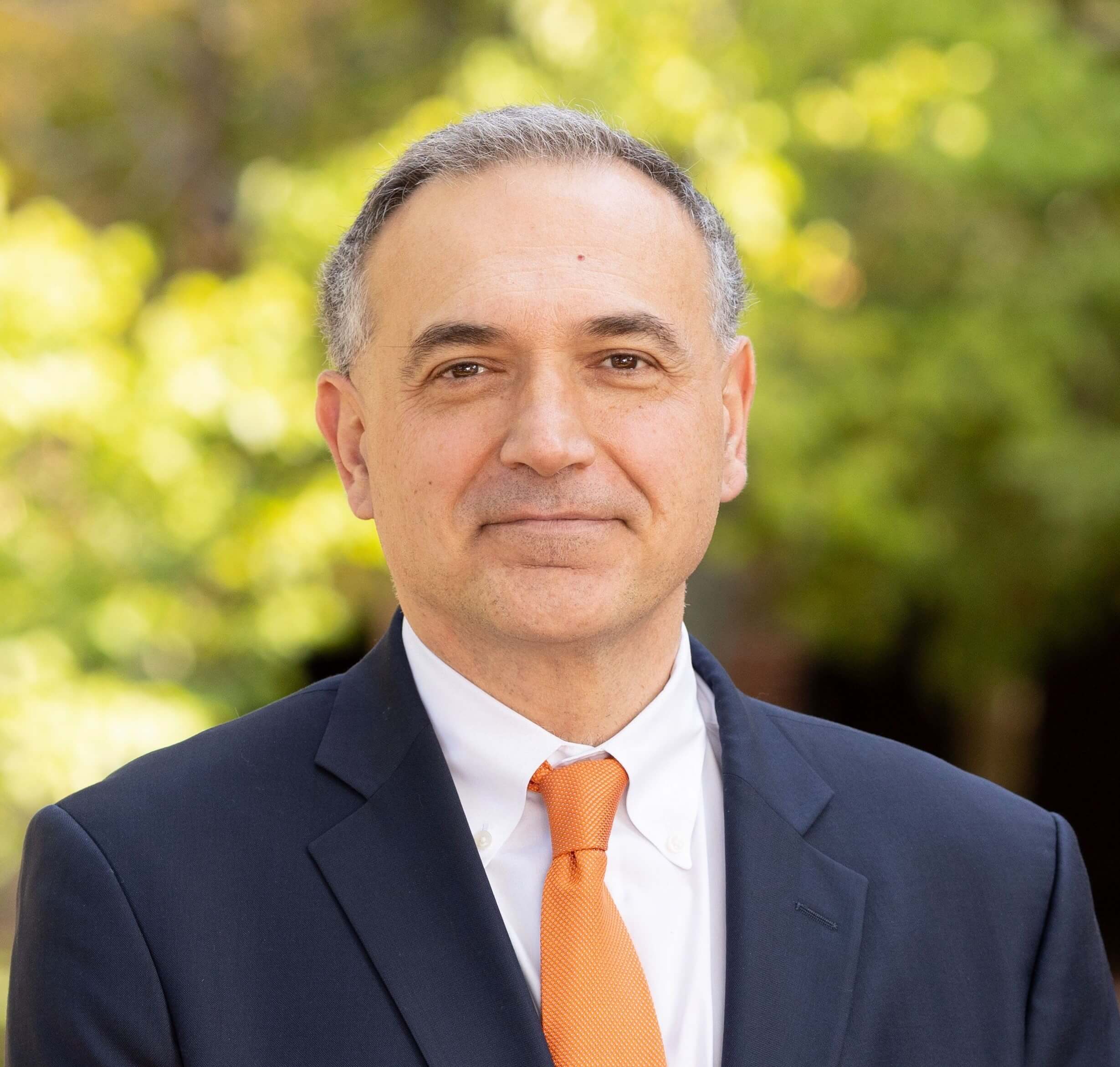
Professor Simon Rosenbaum
Simon Rosenbaum is a Professor in the Discipline of Psychiatry and Mental Health at UNSW Sydney and Co-Lead of the NExuS Research Group (Nutrition, Exercise and Social Equity). His work sits at the intersection of physical activity, mental health, trauma and social equity, with a particular focus on people affected by displacement and social disadvantage. Across his research, practice and partnerships, he works to strengthen the role of physical activity and lifestyle-based approaches within mental health care, community services and humanitarian response. Simon is the founder of Addi Moves, a free, trauma-informed movement facility based at the Addison Road Community Organisation in Marrickville, Sydney. He has worked in complex humanitarian settings, including as a Mental Health and Psychosocial Support Officer with the International Organization for Migration in Cox's Bazar, Bangladesh, and has collaborated with partners across more than 25 countries. He has held visiting Professorial appointments in Bangladesh, Colombia and Mexico, and has published more than 330 peer-reviewed papers. He is a Clarivate Highly Cited Researcher (2019–2024) and is currently supported by an NHMRC Emerging Leadership 2 Fellowship. He is a past President of the Australasian Society for Traumatic Stress Studies and was named a 2024 NSW Young Tall Poppy. He previously served as inaugural Co-Chair of the Olympic Refuge Foundation Think Tank on Sport and Humanitarian Settings (2021–2023) and returned to the role in 2026.
Professor Bruce Tonge
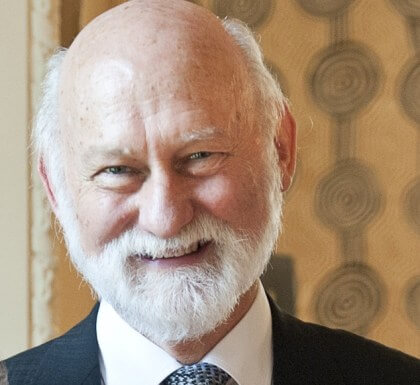
An academic specialist Child Psychiatrist, Monash medical graduate, and trained in Psychiatry at Oxford and Cambridge, UK. He has a distinguished record of clinical work, teaching, funded research and publication and was the Foundation Head, Monash University School of Psychology and Psychiatry. He established the internationally recognised Monash University Centre for Developmental Psychiatry and Psychology.
His clinical, research and teaching interests are in the areas of: developmental psychiatry with a particular focus on neurodevelopmental disorders including Autism and Intellectual Disability; childhood anxiety and depressive disorders; and treatment outcome studies, parent education and skills training and public mental health interventions. He has international standing in mental health research over 30 years with:
- Largest 30year longitudinal study (with S. Einfeld) of mental health in children with intellectual disability including development of population screening tools which has influenced policy and service delivery in many countries including the UK, USA, Vietnam and NZ and a NHMRC Program grant providing a public mental health evidence-based parenting skills program throughout Qld. Vic and NSW.
- Development of a range of evidence based psychological treatments for anxiety, school refusal, PTSD, and depression in young people delivered in Australia and internationally.
- Building resilience support programs sponsored by the Mental Health Foundation Australia (MHFA) in at risk populations such as families impacted by bushfires or domestic violence or refugee experiences. (4) Co-Director, Autism Consultation and Training Now program 2014-18, trained 16,000 early childhood professionals on ASD early intervention in the “My Health, Learning and Development” DHHS Victoria.
A CI on 133 Competitive grants of $47.5M including 37 NHMRC/ARC grants, 345 articles, 69 chapters, 22 books/manuals. Editor of the Handbook of Studies on Child Psychiatry (Elsevier) and co-author of a number of assessment tools including the Developmental Behaviour Checklist, which assesses psychopathology in children and adults with intellectual disability, in wide use in Australia and internationally. He has served on a number of Boards including, Neuroscience Victoria & Australia, beyondblue (Scientific Review Board), AMAZE (Chair), International Association for the Scientific Study of Developmental Disability and Mental Health Foundation Australia (Chair and Patron). Awards include: the Victorian Public Healthcare Meritorious Service Award for “Outstanding Individual Achievement in Mental Healthcare” 2009; Australasian Society for Psychiatric Research Founders' Medal 2010; RANZCP Citation 2019. He was appointed an Officer of the Order of Australia in 2023 for “services to psychiatric medicine, to tertiary education, to youth, and to the community”.
Professor Rhonda Wilson
Professor Rhonda Wilson is an Australian mental health nursing researcher, educator, and policy leader. She is Professor of Mental Health Nursing at RMIT University, where she leads the Digital Mental Health Nursing Laboratory. Her research focuses on digital mental health innovation, sensory environments for wellbeing, workforce development, and strengthening the role of mental health nurses in contemporary care systems. Rhonda currently serves as President of the Australian College of Mental Health Nurses (ACMHN) and has been instrumental in establishing the International Council of Mental Health Nursing. Through her research, leadership, and advocacy, she advances culturally responsive, trauma-informed mental health care and supports the development of a strong global mental health nursing workforce.