
Research Research Themes Elevating & Supporting Indigenous Futures
Elevating & Supporting Indigenous Futures
- MRCMHR
- Future Students
- JCU Global Experience
- International Students
- Student experience
- Open Day
- How to apply
- Pathways to university
- Living on Campus
- Courses
- Publications
- Mature students
- Scholarships
- Entry options
- JCU Families
- JCU Heroes Programs
- Aboriginal and Torres Strait Islander in Marine Science
- Elite Athletes
- Defence
- Capability.Co
- AI@JCU
- AALL
- Current Students
- Student Ambassador Program
- New students
- JCU Orientation
- LearnJCU
- Placements
- EDQS
- Unicare Centre and Unicampus Kids
- Graduation
- Off-Campus Students
- JCU Job Ready
- Safety and Wellbeing
- JCU Prizes
- Professional Experience Placement
- Employability Edge
- Art of Academic Writing
- Art of Academic Editing
- Careers and Employability
- Health, Wellbeing and Belonging
- Career Ready Plan
- Careers at JCU
- Partners and Community
- School Outreach and Widening Participation
- Alumni
- International partnerships
- About JCU
- Reputation and Experience
- Chancellery
- Governance
- Celebrating 50 Years
- Academy
- Indigenous Engagement
- Education Division
- Research Festival
- Graduate Research School
- Research Division
- Research and Innovation Services
- CASE
- College of Business, Law and Governance
- College of Healthcare Sciences
- College of Medicine and Dentistry
- College of Science and Engineering
- MPE
- Anthropological Laboratory for Tropical Audiovisual Research (ALTAR)
- Rural Remote and Tropical Health Systems
- Agriculture Technology and Adoption Centre (AgTAC)
- Advanced Analytical Centre
- Australian Institute of Tropical Health and Medicine
- AMHHEC
- Aquaculture Solutions
- AMHRA
- JCU Digital Wellbeing Group
- ARCSTA
- Lions Marine Research Trust
- Australian Tropical Herbarium
- Australian Quantum & Classical Transport Physics Group
- Boating and Diving
- Clinical Psychedelic Research Lab
- Centre for Tropical Biosecurity
- Centre for Tropical Bioinformatics and Molecular Biology
- CITBA
- CMT
- Centre for Disaster Solutions
- CSTFA
- Cyclone Testing Station
- The Centre for Disaster Studies
- Daintree Rainforest Observatory
- Fletcherview
- JCU Eduquarium
- JCU Turtle Health Research
- MARFU
- Orpheus
- TESS
- JCU Ideas Lab
- CADSI
- CNL
- TARL
- eResearch
- Indigenous Education and Research Centre
- Past Course and Subject Handbooks
- Estate
- Work Health and Safety
- Staff
- Discover Nature at JCU
- Cyber Security Hub
- Association of Australian University Secretaries
- Services Division
- Environmental Research Complex [ERC]
- Foundation for Australian Literary Studies
- Gender Equity at JCU
- Give to JCU
- Indigenous Legal Needs Project
- Inherent Requirements
- IsoTropics Lab
- IT Services
- JCU Webinars
- JCU Events
- JCU Motorsports
- JCU Sport
- Library
- Mabo Decision: 30 years on
- Marine Geophysics Laboratory
- Office of the Vice Chancellor and President
- Outstanding Alumni
- Policy
- PAHL
- Queensland Research Centre for Peripheral Vascular Disease
- Rapid Assessment Unit
- RDIM
- Researcher Development Portal
- Roderick Centre for Australian Literature and Creative Writing
- Contextual Science for Tropical Coastal Ecosystems
- State of the Tropics
- Strategic Procurement
- Student profiles
- SWIRLnet
- TREAD
- TropEco for Staff and Students
- TropCOVID: Mapping COVID-19 Immunity in Far North Queensland
- TUDLab
- VAVS Home
- WHOCC for Vector-borne & NTDs
- Media
- Copyright and Terms of Use
- Australian Institute of Tropical Health & Medicine
- JCU Respect
- Pay review
- Research
Embracing Indigenous knowledge as a catalyst for realising Indigenous futures and self-determination.
Research with impact
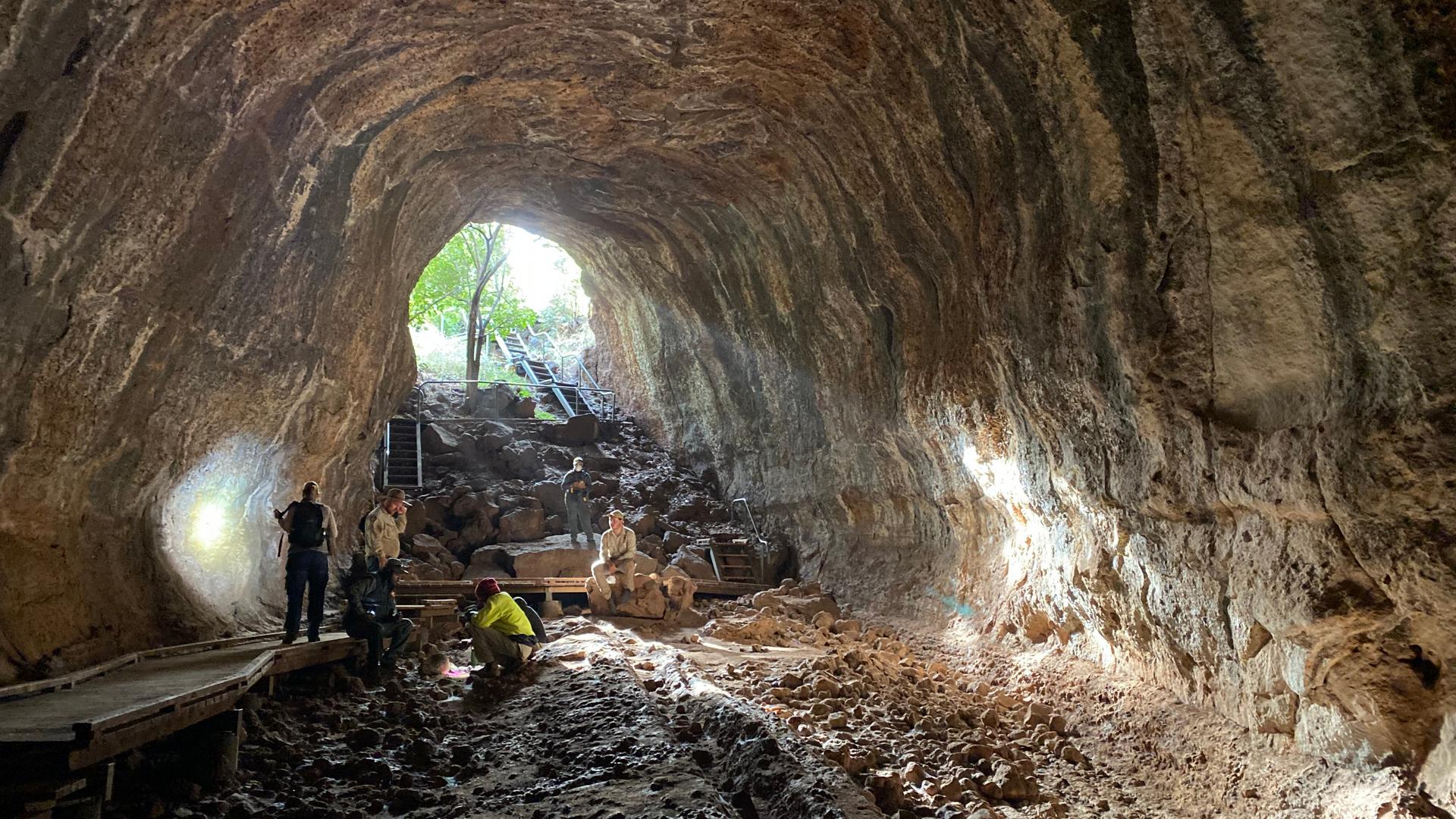
Busting myths in Undara
Until recently, it seemed to be common knowledge that Aboriginal people did not live in the lava tubes (volcanic caves) that were created by the Undara volcano 190,000 years ago. JCU Adjunct Research Fellow Dr Alice Buhrich and Brian Bing, an Ewamian Elder, tell us what they found at Undara and at nearby Talaroo Hot Springs.
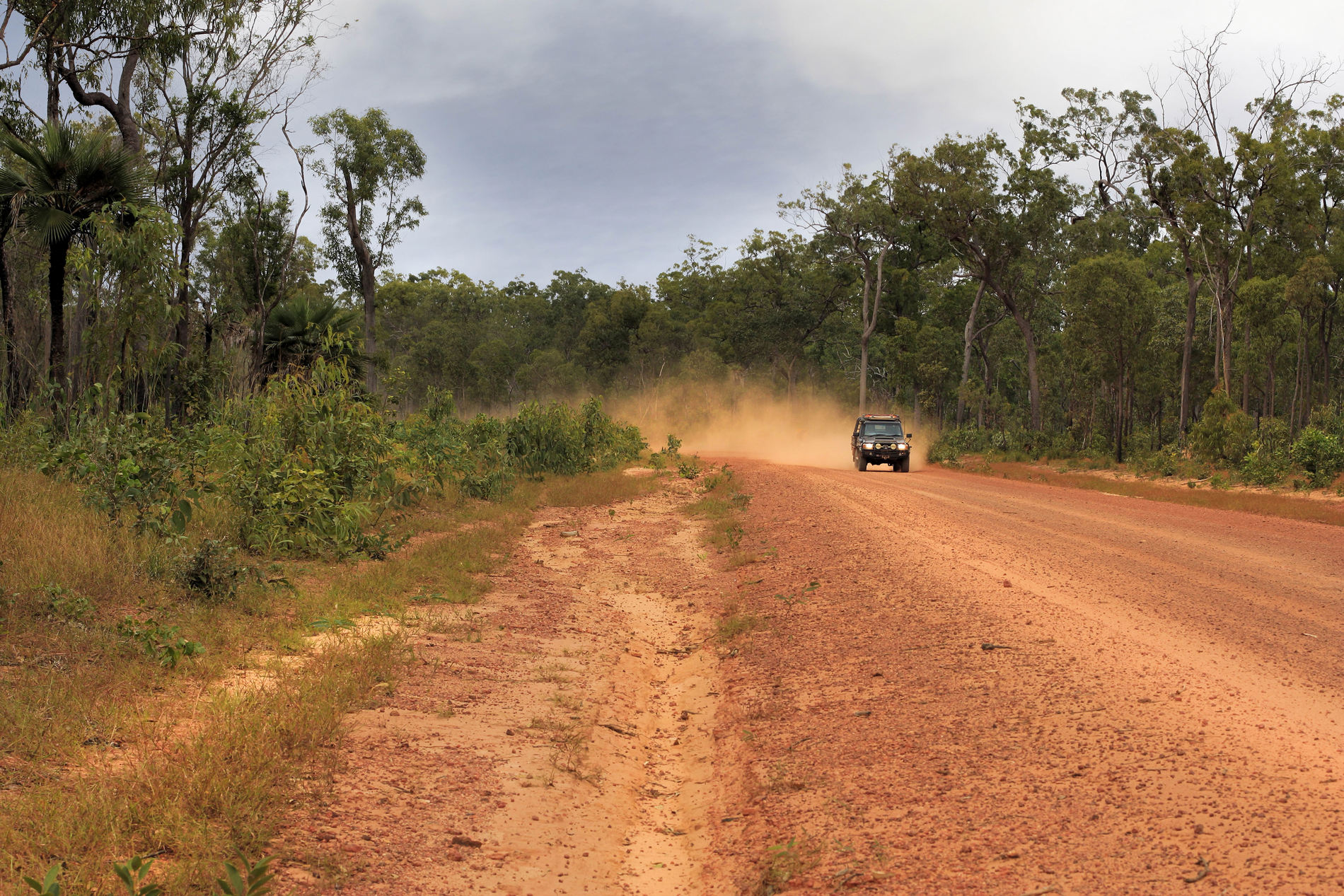
School success off the beaten track
High school teacher Tammy Sam knows first-hand how brightly Aboriginal and Torres Strait Islander students are capable of shining. However, with much of the research in this area focused on identifying gaps and challenges, she was determined to take a different approach.
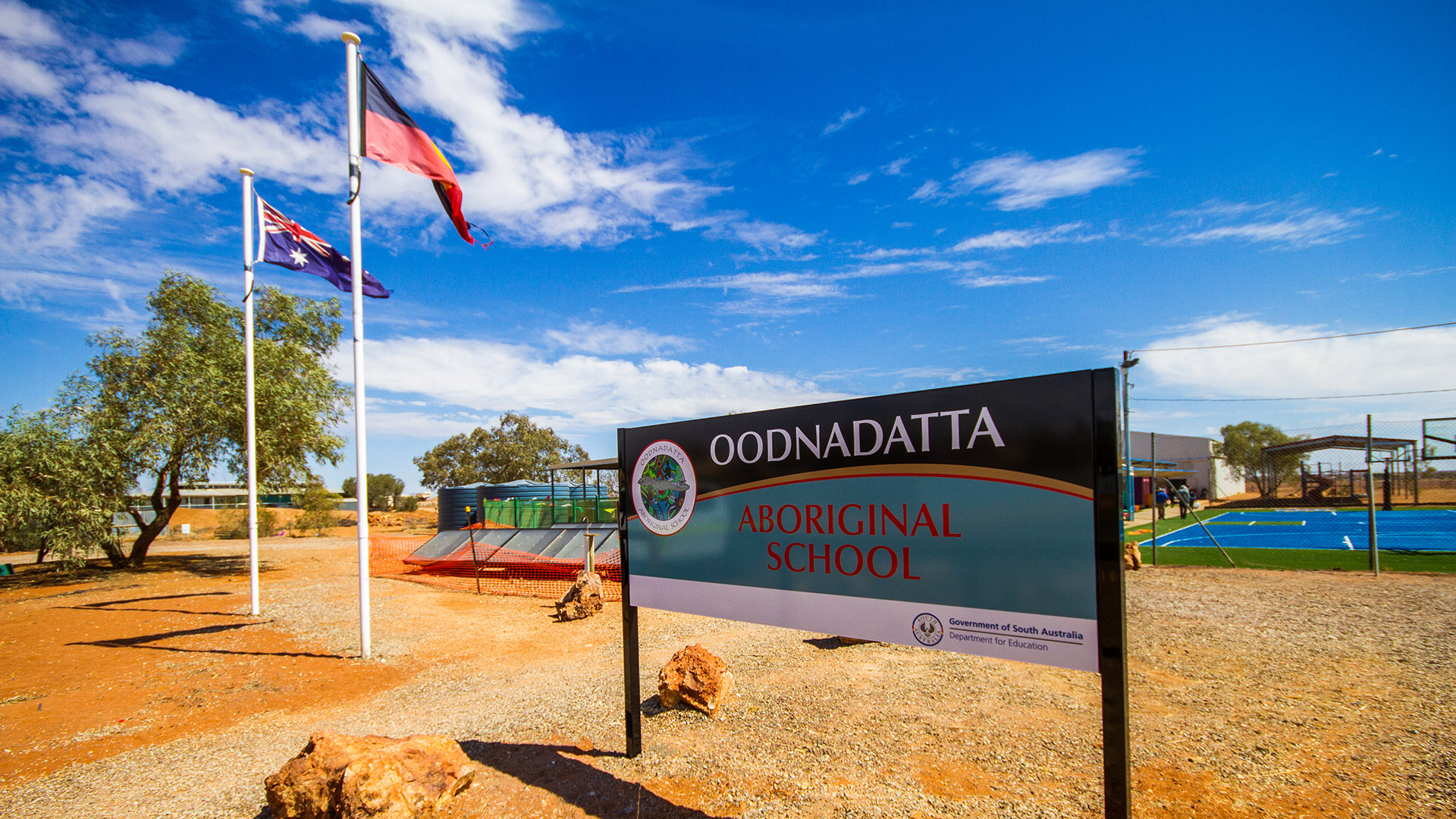
Explaining Indigenous Languages
Indigenous languages continue to disappear at an increasingly alarming rate. To celebrate the International Year of Indigenous Languages, JCU Adjunct Research Professor R. M. W. (Bob) Dixon has written the first user-friendly guide teaching about endangered Indigenous Australian languages.
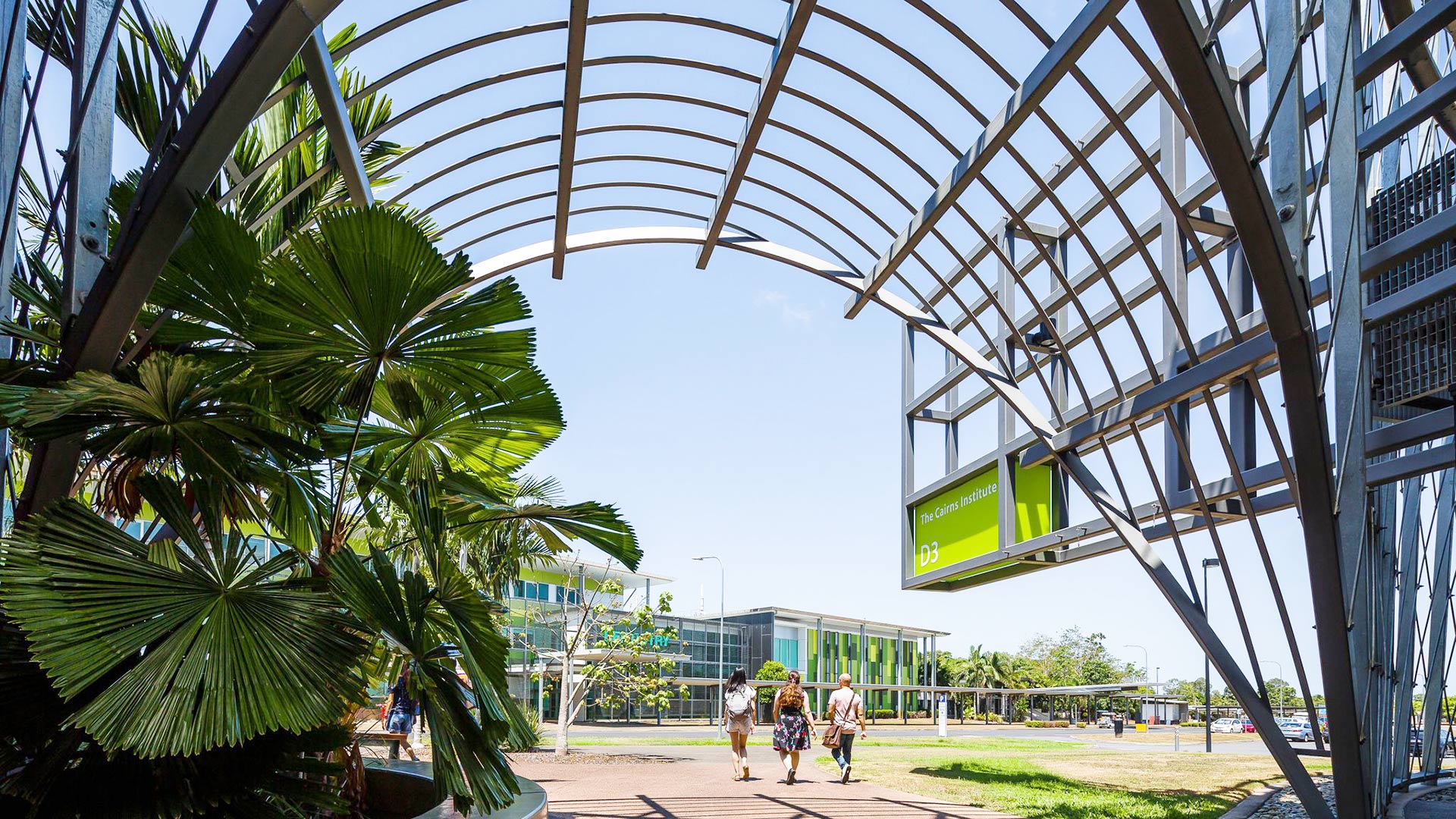
Local voices, national conversations
After completing her PhD at JCU in 2022, Gugu Badhun/Ngadjon-ji researcher and academic Dr Janine Gertz has been awarded the prestigious 2023 Stanner Award — a national biennial prize that recognises her thesis as the best academic writing by an Aboriginal or Torres Strait Islander author.
Our research
James Cook University (JCU) is committed to impactful research that supports Indigenous self-determination, governance, and justice while fostering knowledge, health, and community development.
Our research spans education, scholarship, and learning, the preservation and celebration of Indigenous knowledge and histories, and improving family, community health, and wellbeing.
We also focus on economic empowerment, sustainable development, and supporting healthy country through collaborative research that respects and uplifts Indigenous voices.
Research Institutes, Centres and Collaborations
Indigenous Education and Research Centre
Doing things better means doing something different. A leader in providing Indigenous education, research and engagement.
College of Arts, Society & Education
Delivering foundational knowledge and real-world impact which is focused on the societies and peoples of the tropics, working with partners to deliver globally informed and locally targeted insights to our communities.
The Cairns Institute
Work with and for people of the tropics to create brighter, more equitable, and enriching futures for all.
ARC Centre of Excellence for Indigenous & Environmental Histories & Futures
To work for Healthy Land and Sea Country, centred in Aboriginal and Torres Strait Islander understandings and approaches and informed by cutting-edge cultural, environmental, and historical research.