
CSTFA Our Research Seafood and Human Health
Seafood and Human Health
- MRCMHR
- Future Students
- JCU Global Experience
- International Students
- Student experience
- Open Day
- How to apply
- Pathways to university
- Living on Campus
- Courses
- Publications
- Mature students
- Scholarships
- Entry options
- JCU Families
- JCU Heroes Programs
- Aboriginal and Torres Strait Islander in Marine Science
- Elite Athletes
- Defence
- Capability.Co
- AI@JCU
- AALL
- Current Students
- Student Ambassador Program
- New students
- JCU Orientation
- LearnJCU
- Placements
- EDQS
- Unicare Centre and Unicampus Kids
- Graduation
- Off-Campus Students
- JCU Job Ready
- Safety and Wellbeing
- JCU Prizes
- Professional Experience Placement
- Employability Edge
- Art of Academic Writing
- Art of Academic Editing
- Careers and Employability
- Health, Wellbeing and Belonging
- Career Ready Plan
- Careers at JCU
- Partners and Community
- School Outreach and Widening Participation
- Alumni
- International partnerships
- About JCU
- Reputation and Experience
- Chancellery
- Governance
- Celebrating 50 Years
- Academy
- Indigenous Engagement
- Education Division
- Research Festival
- Graduate Research School
- Research Division
- Research and Innovation Services
- CASE
- College of Business, Law and Governance
- College of Healthcare Sciences
- College of Medicine and Dentistry
- College of Science and Engineering
- MPE
- Anthropological Laboratory for Tropical Audiovisual Research (ALTAR)
- Rural Remote and Tropical Health Systems
- Agriculture Technology and Adoption Centre (AgTAC)
- Advanced Analytical Centre
- Australian Institute of Tropical Health and Medicine
- AMHHEC
- Aquaculture Solutions
- AMHRA
- JCU Digital Wellbeing Group
- ARCSTA
- Lions Marine Research Trust
- Australian Tropical Herbarium
- Australian Quantum & Classical Transport Physics Group
- Boating and Diving
- Clinical Psychedelic Research Lab
- Centre for Tropical Biosecurity
- Centre for Tropical Bioinformatics and Molecular Biology
- CITBA
- CMT
- Centre for Disaster Solutions
- CSTFA
- Cyclone Testing Station
- The Centre for Disaster Studies
- Daintree Rainforest Observatory
- Fletcherview
- JCU Eduquarium
- JCU Turtle Health Research
- MARFU
- Orpheus
- TESS
- JCU Ideas Lab
- CADSI
- CNL
- TARL
- eResearch
- Indigenous Education and Research Centre
- Past Course and Subject Handbooks
- Estate
- Work Health and Safety
- Staff
- Discover Nature at JCU
- Cyber Security Hub
- Association of Australian University Secretaries
- Services Division
- Environmental Research Complex [ERC]
- Foundation for Australian Literary Studies
- Gender Equity at JCU
- Give to JCU
- Indigenous Legal Needs Project
- Inherent Requirements
- IsoTropics Lab
- IT Services
- JCU Webinars
- JCU Events
- JCU Motorsports
- JCU Sport
- Library
- Mabo Decision: 30 years on
- Marine Geophysics Laboratory
- Office of the Vice Chancellor and President
- Outstanding Alumni
- Policy
- PAHL
- Queensland Research Centre for Peripheral Vascular Disease
- Rapid Assessment Unit
- RDIM
- Researcher Development Portal
- Roderick Centre for Australian Literature and Creative Writing
- Contextual Science for Tropical Coastal Ecosystems
- State of the Tropics
- Strategic Procurement
- Student profiles
- SWIRLnet
- TREAD
- TropEco for Staff and Students
- TropCOVID: Mapping COVID-19 Immunity in Far North Queensland
- TUDLab
- VAVS Home
- WHOCC for Vector-borne & NTDs
- Media
- Copyright and Terms of Use
- Australian Institute of Tropical Health & Medicine
- JCU Respect
- Pay review
- Research
James Cook University is globally recognized for its research strength on seafood consumption and subsequent reactions with the human health system. The molecular investigation of seafood has influenced the development of novel and improved diagnostics and detection systems for specific seafood proteins, including barramundi, salmon, tuna, basa, cod, crabs, oyster and five prawn species from the Asia-Pacific region. Furthermore, the health effects of purified components are investigated in whole animal models to develop nutraceuticals for improved health in consumer as well as important aquaculture species.
The university also boasts a world-leading comprehensive teaching program in molecular biology and immunology with specific application in food allergy, toxicology and development of therapeutics.
This theme is led by Dr Shaymaviswanathan Karnaneedi (shaymaviswanathan.karnaneedi@jcu.edu.au).
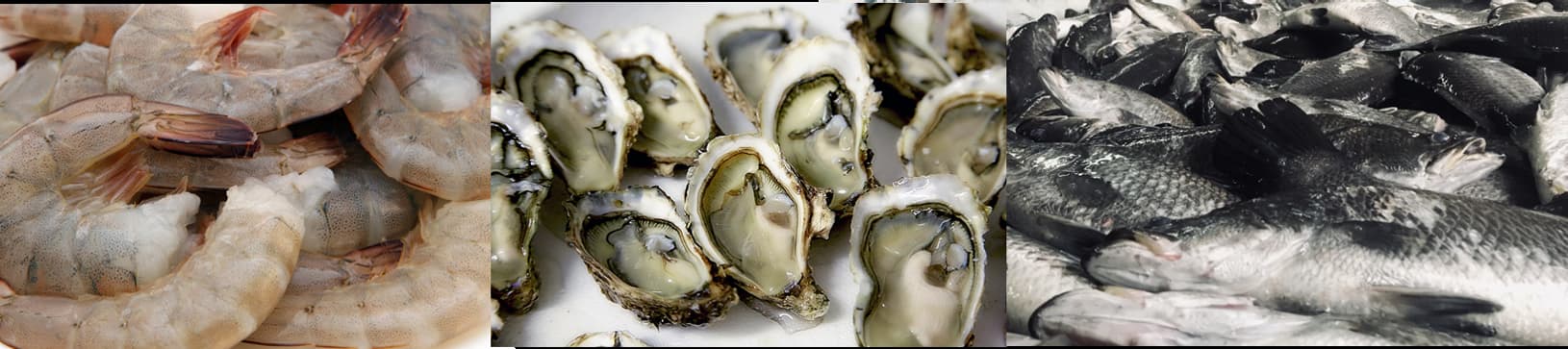
Almost half of the world’s population have allergies to one or more common environmental and/or food allergens. The allergic reaction is triggered by the activation of IgE(antibody)-binding cells, via specific receptors, in the exposed tissues leading to a series of cellular and immunological responses that are characteristic of an allergy reaction.
The investigation of allergens and immunologic responses has moved to a more molecular approach to develop advanced strategies of detecting and treating allergy. The characterisation and generation of recombinant allergens are fundamental for the development of novel and improved diagnostics and future immunotherapeutics. The expertise in molecular and immuno-biochemical techniques has been applied in a range of international industry focuses and multidisciplinary seafood research areas.
Current and past research projects involve national and international collaborators including Singapore, Indonesia, USA, Thailand, Austria, South Africa, Germany, Norway, Japan and Canada.
Specialty expertise areas
- Seafood Allergen identification and molecular characterisation
- Development of allergen diagnostics
- Marine Biotoxins analysis
- Marine Parasites
- Biomarkers in Aquaculture Research
E andreas.lopata@jcu.edu.au P +61 7 4781 4563