
CADSI Our impact areas Economies
Economies
- MRCMHR
- Future Students
- JCU Global Experience
- International Students
- Student experience
- Open Day
- How to apply
- Pathways to university
- Living on Campus
- Courses
- Publications
- Mature students
- Scholarships
- Entry options
- JCU Families
- JCU Heroes Programs
- Aboriginal and Torres Strait Islander in Marine Science
- Elite Athletes
- Defence
- Capability.Co
- AI@JCU
- AALL
- Current Students
- Student Ambassador Program
- New students
- JCU Orientation
- LearnJCU
- Placements
- EDQS
- Unicare Centre and Unicampus Kids
- Graduation
- Off-Campus Students
- JCU Job Ready
- Safety and Wellbeing
- JCU Prizes
- Professional Experience Placement
- Employability Edge
- Art of Academic Writing
- Art of Academic Editing
- Careers and Employability
- Health, Wellbeing and Belonging
- Career Ready Plan
- Careers at JCU
- Partners and Community
- School Outreach and Widening Participation
- Alumni
- International partnerships
- About JCU
- Reputation and Experience
- Chancellery
- Governance
- Celebrating 50 Years
- Academy
- Indigenous Engagement
- Education Division
- Research Festival
- Graduate Research School
- Research Division
- Research and Innovation Services
- CASE
- College of Business, Law and Governance
- College of Healthcare Sciences
- College of Medicine and Dentistry
- College of Science and Engineering
- MPE
- Anthropological Laboratory for Tropical Audiovisual Research (ALTAR)
- Rural Remote and Tropical Health Systems
- Agriculture Technology and Adoption Centre (AgTAC)
- Advanced Analytical Centre
- Australian Institute of Tropical Health and Medicine
- AMHHEC
- Aquaculture Solutions
- AMHRA
- JCU Digital Wellbeing Group
- ARCSTA
- Lions Marine Research Trust
- Australian Tropical Herbarium
- Australian Quantum & Classical Transport Physics Group
- Boating and Diving
- Clinical Psychedelic Research Lab
- Centre for Tropical Biosecurity
- Centre for Tropical Bioinformatics and Molecular Biology
- CITBA
- CMT
- Centre for Disaster Solutions
- CSTFA
- Cyclone Testing Station
- The Centre for Disaster Studies
- Daintree Rainforest Observatory
- Fletcherview
- JCU Eduquarium
- JCU Turtle Health Research
- MARFU
- Orpheus
- TESS
- JCU Ideas Lab
-
CADSI
- About us
-
Our impact areas
-
Nature
- AutoWeed: AI Sport Spraying for Smarter Weed Control
- Automated Detection and Counting of Flying-Foxes from Thermal Imagery
- Smart Detection of Marine Invasive Species for Biosecurity
- 3D LiDAR Mapping of Coral Restoration Gardens and Mangrove Ecosystems in Bali and Lombok, Indonesia
- Hyperspectral Satellite Monitoring of Post-Cyclone Water Quality in the Great Barrier Reef
- Automated Estimation of Snail Shell Volume and Morphology
- Health
-
Economies
- Smart Sugarcane Health Monitoring Platform with Satellite Remote Sensing and Machine Learning
- AutoFish: AI Phenotyping for Tropical Aquaculture
- Detecting Variety Contamination in Sugarcane Plots
- Automating South Sea Pearl Phenotyping Through Masking and Deep Learning Algorithms
- Non-Destructive, High-throughput Phenotyping for Aquaculture: NIR Spectroscopy for the “Forensic” Chemical Analysis of Akoya Oyster and Red Algae
- Remote Sensing and Hydrodynamic Modelling for Flood-Driven Soil Erosion in Northern Queensland
- Smart Aquaculture and Fisheries Water-Quality Optimisation
- Advanced Thermal Management and Energy Storage Systems
- Physics-Informed AI and Digital Twins for Critical-Minerals Processing
-
Communities
- Digital Twin Student
- The Place of AI in Higher Education Teaching, Learning and Assessment
- Beyond the Text: Exploring student engagement and perceptions of AI generated podcasts and infographics in higher education
- Guardrails or Handbrakes? How Australian Universities Frame AI in Policy, and the Dominance of Misconduct Narratives
- Equitable GenAI Co-Pilot for Engineering Education
- VEtheRBlocks: Teaching the Internet with AR and Toy Bricks
- Corrugation Control in Unsealed Roads: Mechanisms and Sustainable Solutions
- Physics-Informed AI and Digital Twins for Environmental Control
-
Nature
- Capabilities
- Our people
- News
- Contact us
- CNL
- TARL
- eResearch
- Indigenous Education and Research Centre
- Past Course and Subject Handbooks
- Estate
- Work Health and Safety
- Staff
- Discover Nature at JCU
- Cyber Security Hub
- Association of Australian University Secretaries
- Services Division
- Environmental Research Complex [ERC]
- Foundation for Australian Literary Studies
- Gender Equity at JCU
- Give to JCU
- Indigenous Legal Needs Project
- Inherent Requirements
- IsoTropics Lab
- IT Services
- JCU Webinars
- JCU Events
- JCU Motorsports
- JCU Sport
- Library
- Mabo Decision: 30 years on
- Marine Geophysics Laboratory
- Office of the Vice Chancellor and President
- Outstanding Alumni
- Policy
- PAHL
- Queensland Research Centre for Peripheral Vascular Disease
- Rapid Assessment Unit
- RDIM
- Researcher Development Portal
- Roderick Centre for Australian Literature and Creative Writing
- Contextual Science for Tropical Coastal Ecosystems
- State of the Tropics
- Strategic Procurement
- Student profiles
- SWIRLnet
- TREAD
- TropEco for Staff and Students
- TropCOVID: Mapping COVID-19 Immunity in Far North Queensland
- TUDLab
- VAVS Home
- WHOCC for Vector-borne & NTDs
- Media
- Copyright and Terms of Use
- Australian Institute of Tropical Health & Medicine
- JCU Respect
- Pay review
- Research
We lift productivity and sustainability across primary to quaternary industries by deploying AI for sensing, automation, optimisation and quality assurance. This includes smarter agriculture and aquaculture, resilient supply chains, advanced manufacturing, and data-driven regional development that grows jobs and skills.
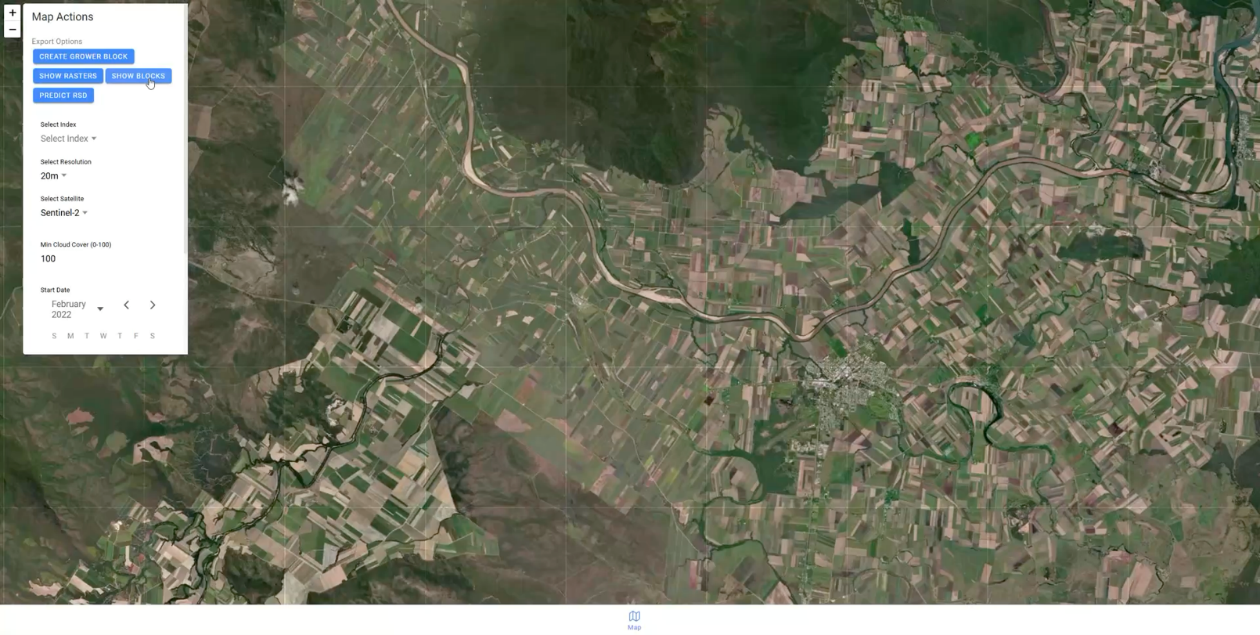
Smart Sugarcane Health Monitoring Platform with Satellite Remote Sensing and Machine Learning
Sugar-AI is a James Cook University–led project using AI and satellite imagery to detect ratoon stunting disease in sugarcane. It supports earlier intervention, improved productivity, and scalable decision-making for growers.
Learn more about this project here
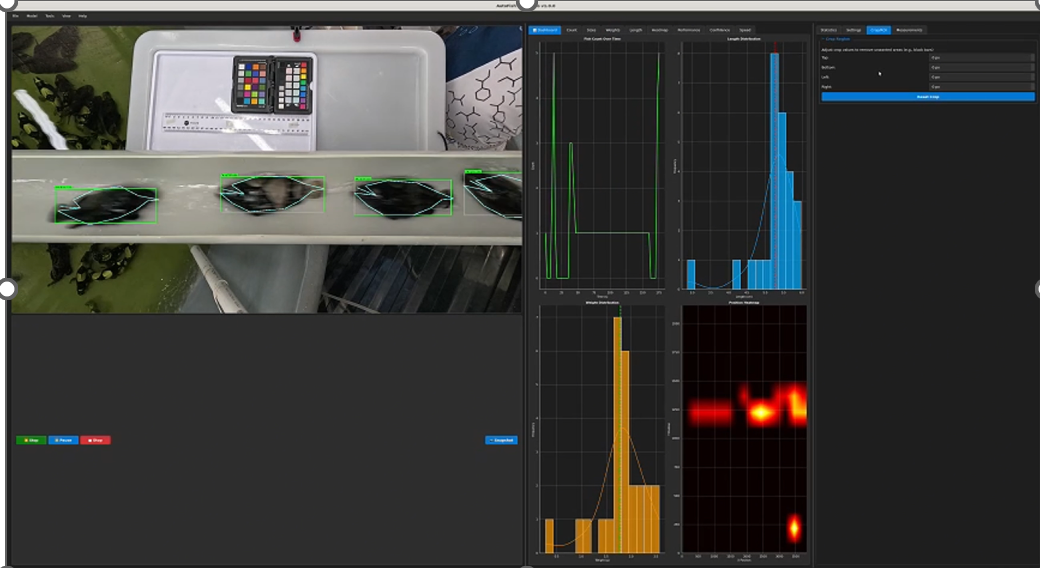
AutoFish: AI Phenotyping for Tropical Aquaculture
AutoFish is a James Cook University project using AI and imaging to automate phenotyping for aquaculture, focusing on barramundi. It supports faster, more consistent trait measurement for breeding and production decisions
Learn more about this project here
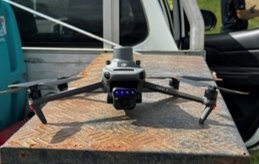
Detecting Variety Contamination in Sugarcane Plots
This project uses drone imagery, multispectral data, and machine learning to identify sugarcane varieties across large areas. It helps detect cross-contamination risks, supporting disease prevention and more targeted crop management
Learn more about this project here
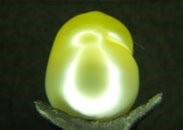
Automating South Sea Pearl Phenotyping Through Masking and Deep Learning Algorithms
This project uses AI to automate pearl phenotyping by assessing traits such as size and shape. It supports faster grading, improved breeding programs, and innovation in the Australian pearling industry.
Learn more about this project here
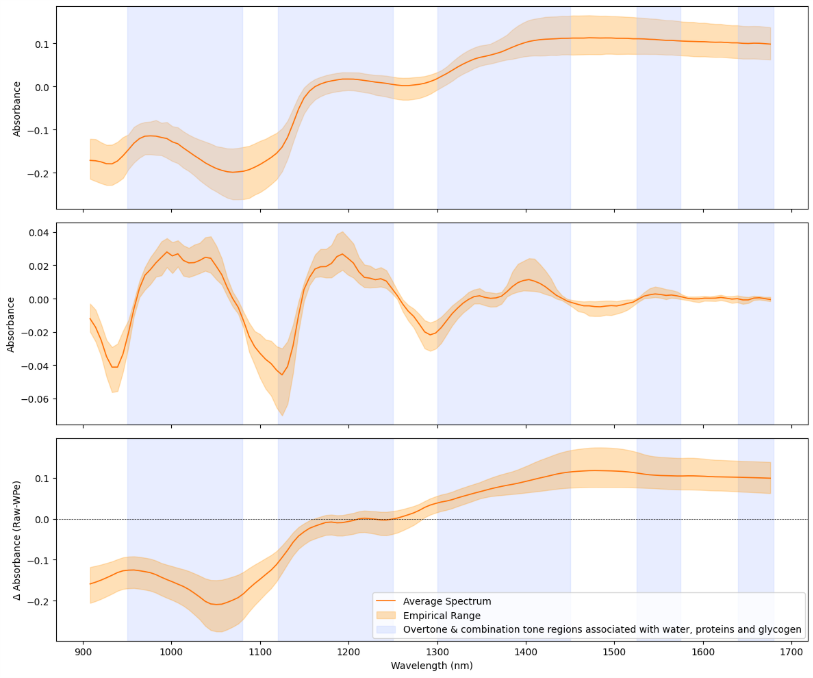
Non-Destructive, High-throughput Phenotyping for Aquaculture: NIR Spectroscopy for the “Forensic” Chemical Analysis of Akoya Oyster and Red Algae
This project develops near-infrared spectroscopy (NIRS) models to enable fast, non-destructive quality assessment in aquaculture. It estimates key compounds in pearl oysters and seaweed extracts to support breeding, productivity, and commercial applications
Learn more about this project here
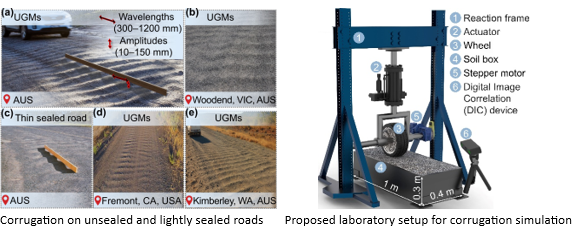
Corrugation Control in Unsealed Roads: Mechanisms and Sustainable Solutions
This project uses engineering, modelling, and AI to understand and reduce corrugation on unsealed roads. It supports safer, lower-maintenance road networks through predictive tools and more durable material design.
Learn more about this project here
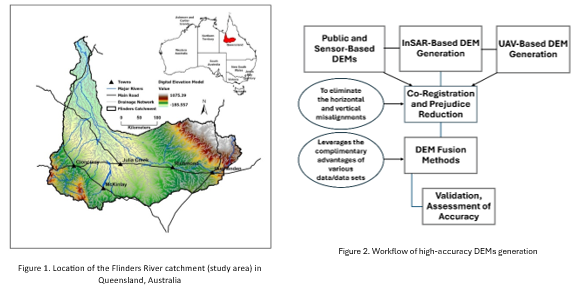
Remote Sensing and Hydrodynamic Modelling for Flood-Driven Soil Erosion in Northern Queensland
This PhD project uses remote sensing and modelling to assess flood-driven soil erosion in North Queensland rangelands. By combining satellite, drone, and terrain data, it supports better land management and ecosystem resilience.
Learn more about this project here
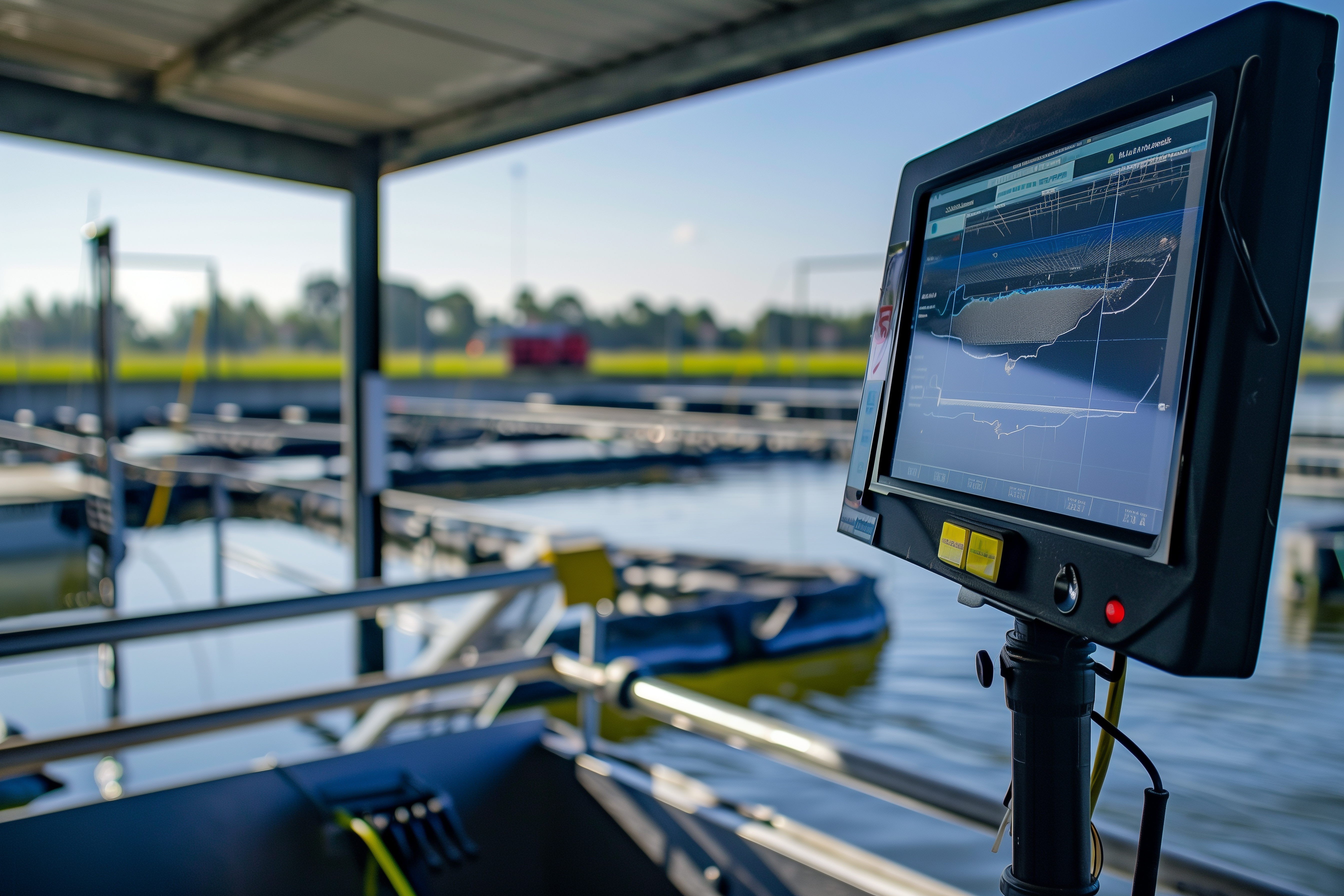
Smart Aquaculture and Fisheries Water-Quality Optimisation
AI-powered monitoring and prediction of water-quality conditions helps aquaculture producers improve stock health, reduce risk and optimise production.
Learn more about this project here
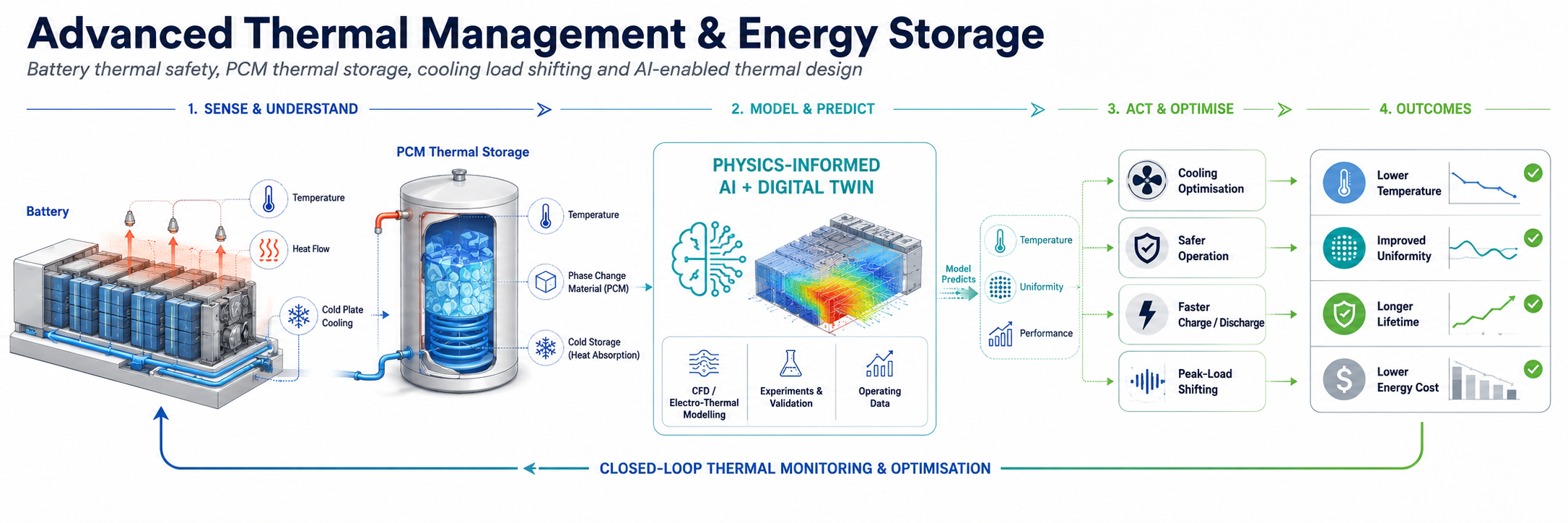
Advanced Thermal Management and Energy Storage Systems
AI-enabled thermal management and optimisation improve the safety, performance and efficiency of batteries, energy storage systems, buildings and data centres through predictive modelling and intelligent design.
Learn more about this project here
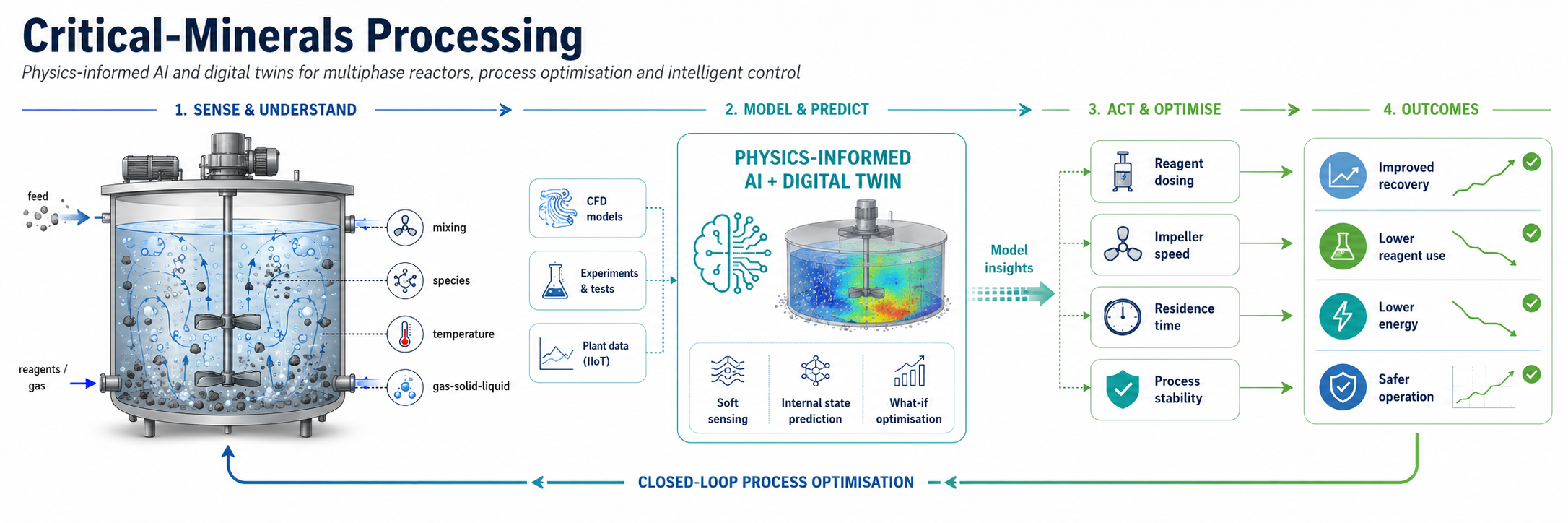
Physics-Informed AI and Digital Twins for Critical-Minerals Processing
AI-enabled process modelling and optimisation improve the efficiency, recovery and sustainability of critical-minerals processing through predictive monitoring, intelligent control and data-driven decision-making.
Learn more about this project here