AITHM Stories
Dengue drivers in the Pacific uncovered
Dengue fever, a virus carried and spread by mosquitoes, has long been a public health concern for communities living in Pacific Island Countries — and cases are on the rise. New research explores how human movement and weather patterns influence outbreaks in this region.
Read more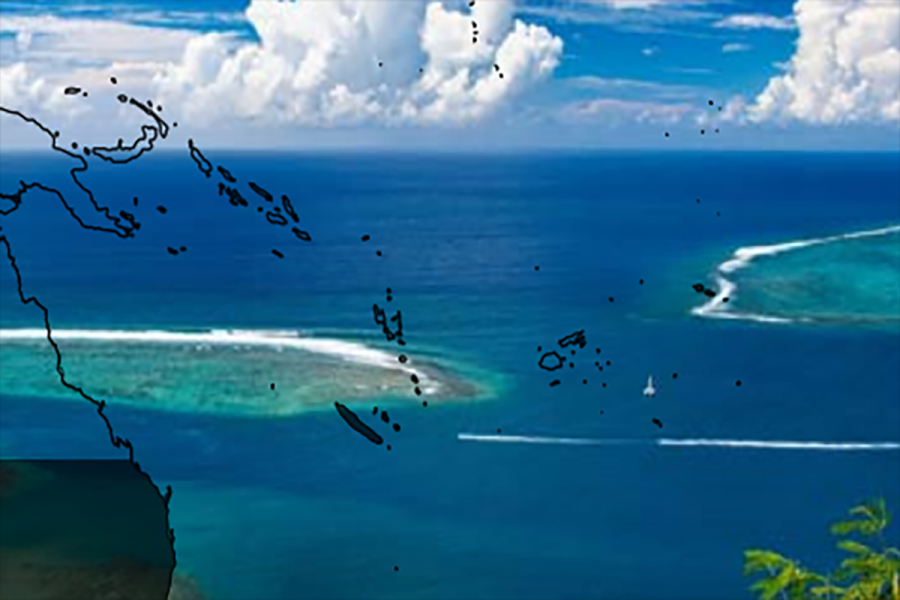
From isolation to innovation: Trailblazing digital health initiatives in regional communities
People living outside of capital cities can find it difficult to access the medical professionals they need. This is why researchers are harnessing technology to improve health outcomes in Australia’s regional and remote areas.
Read more
Protecting Australia from avian influenza, one dropping at a time
Avian influenza outbreaks transmitted by wild birds are a cause for concern — not only because of recent egg shortages in local supermarkets, but because a bird flu variant could potentially cause the next pandemic. This is why our researchers are keeping a close eye on wild ducks in our local parks
Read more
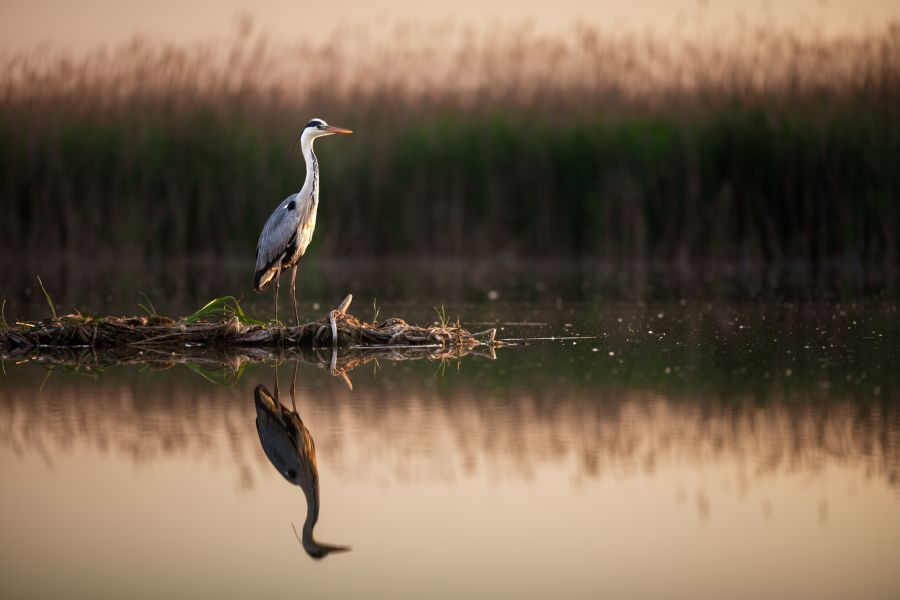
Creepy crawly cuisine
From gardens to grocery aisles, edible insects are gaining popularity as a sustainable food source in the face of rising global demand. But could these protein-packed critters trigger unexpected allergic reactions?
Read more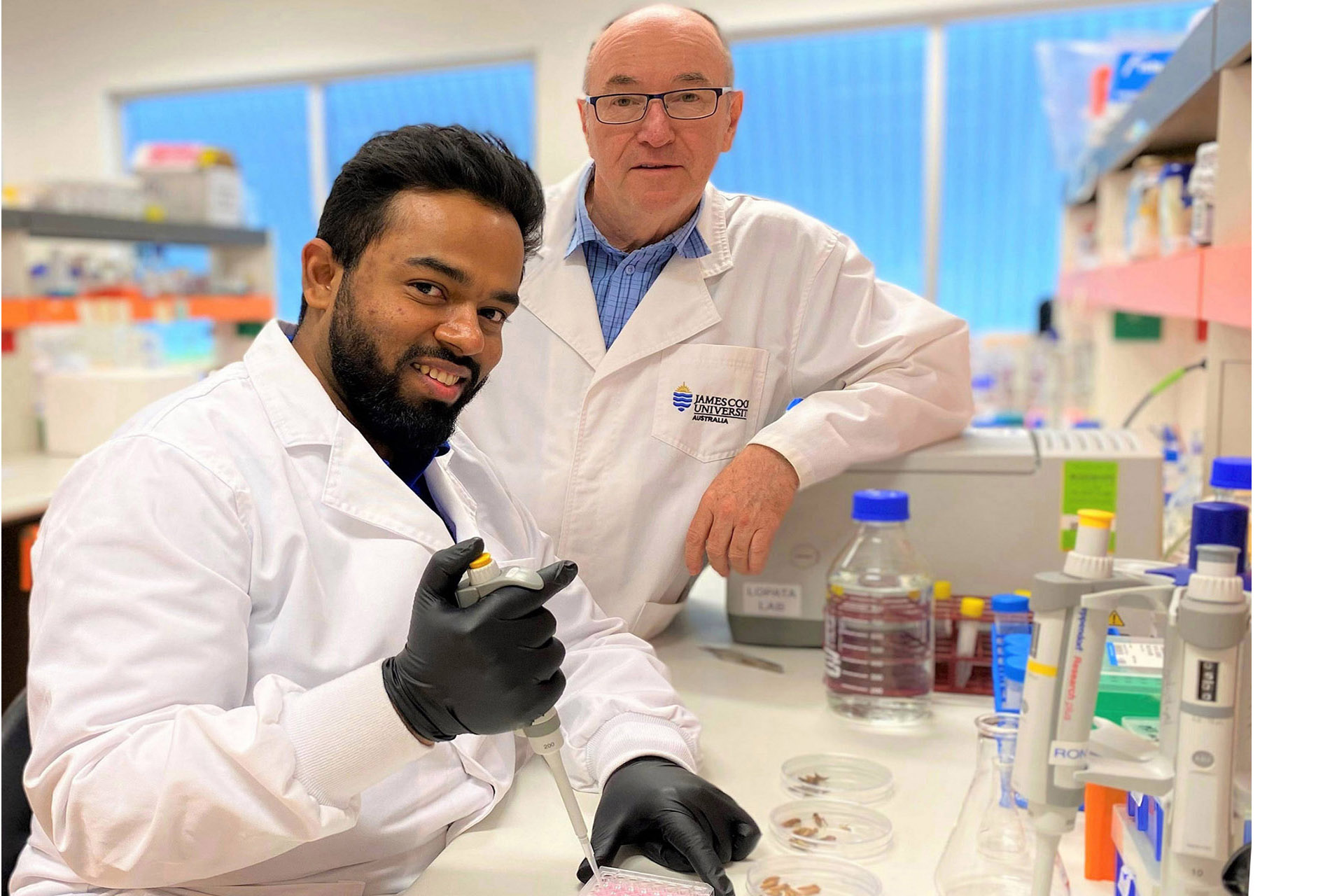
Protecting livestock and livelihoods with a dual-action vaccine
Cattle ticks spread tick fever, a potentially fatal disease that threatens the health of beef and dairy cows globally. The current vaccine is expensive and does not prevent the infected tick from transmitting the disease. Our researchers are developing an alternative that aims to be more affordable and effective.
Read more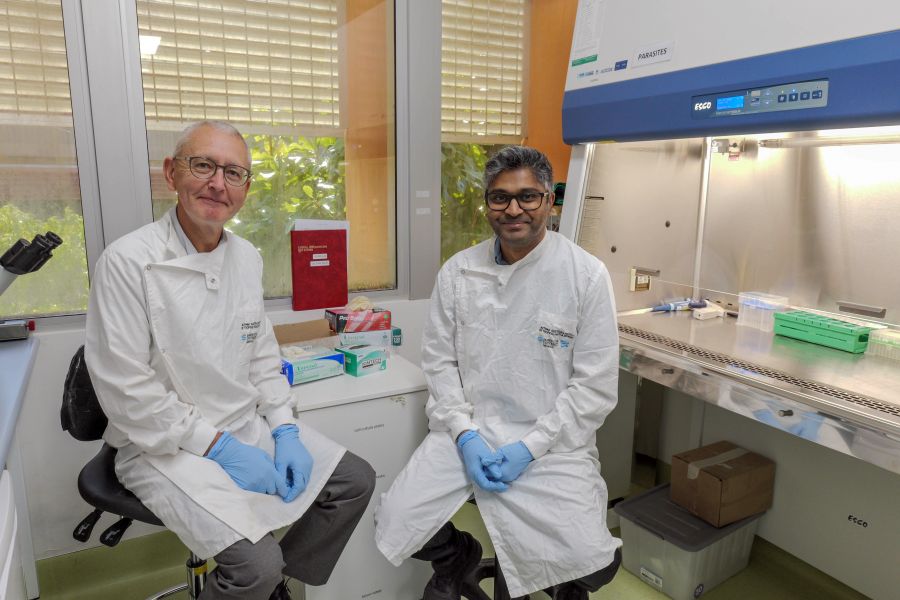
Stonefish skin toxins for parasite prevention
Parasitic worms infect about 1.5 billion people and millions of livestock around the world, causing a range of health problems and significant economic losses. With limited treatment options and growing drug resistance, tackling these infections has become increasingly challenging. But researchers at the Australian Institute of Tropical Health and Medicine (AITHM) may have discovered a solution in an unlikely source — the estuarine stonefish.
Read more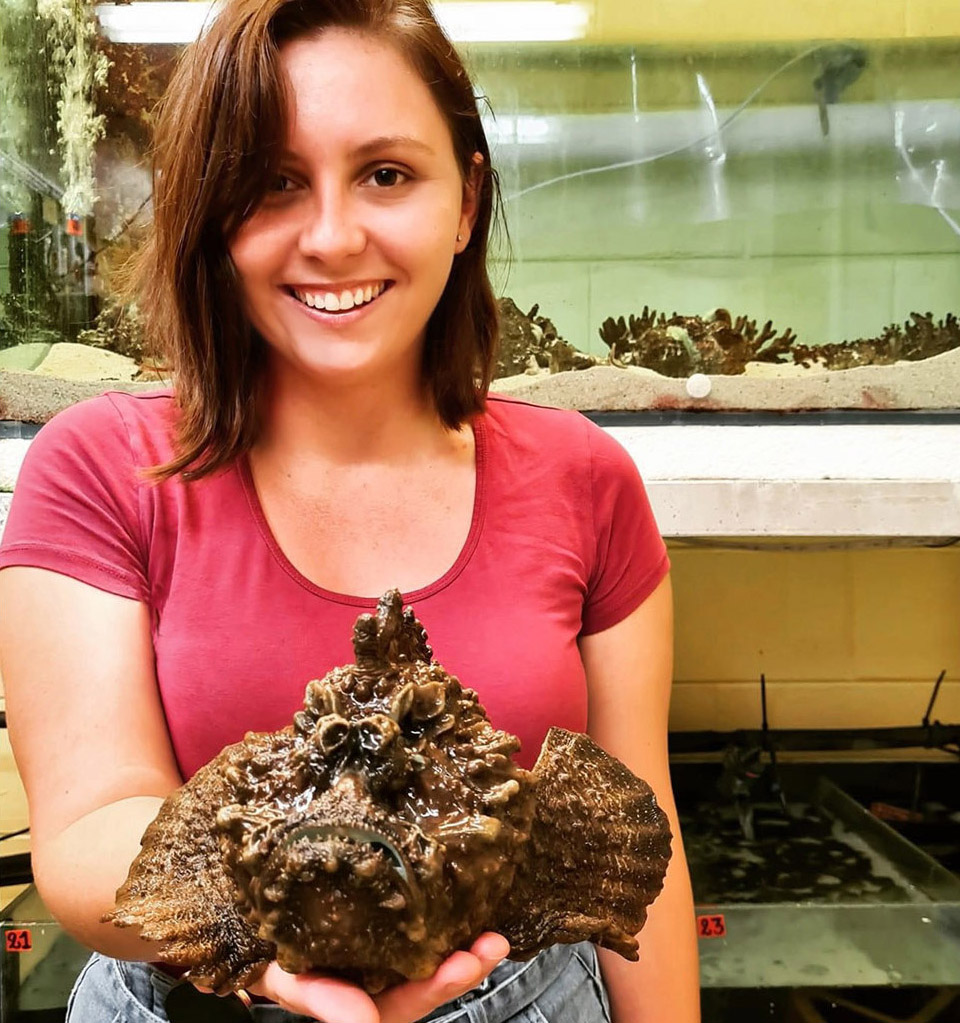
Protecting small island nations against dengue
As the planet heats up, dangerous mosquito-borne diseases such as dengue are spreading to more countries than ever before. This is especially problematic in small island nations with even smaller health budgets. Our researchers are developing software that helps predict future outbreaks.
Read more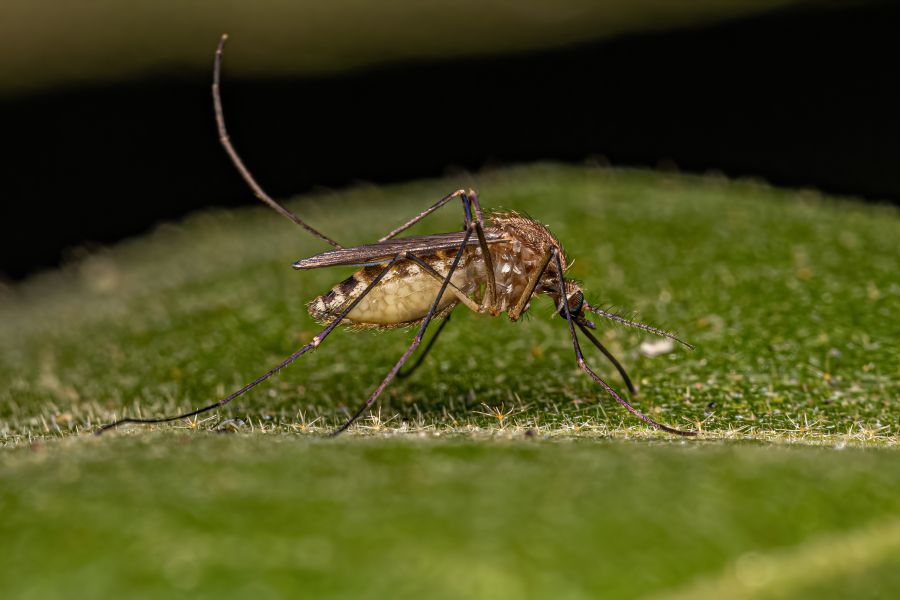
Healing concussion with a 'big sniff
Traumatic brain injuries can happen to anyone, anytime. People sustain head injuries from assaults, while playing sports, in car accidents, or on the battlefield. So far, there is no known cure, and severe brain injuries can lead to chronic injury and death. The Australian Institute of Tropical Health and Medicine’s (AITHM) Professor Geoffrey Dobson and his team are working on a novel treatment that could speed up the healing process and prevent potential long-term consequences of a brain injury.
Read more
Uncovering bat fly viruses for pandemic prevention
Bats are home to a suite of parasites — one being the blood-sucking bat fly. Our researchers are studying the unique relationship between bat flies, their hosts and the viruses they both carry to uncover how it might influence disease transmission.
Read more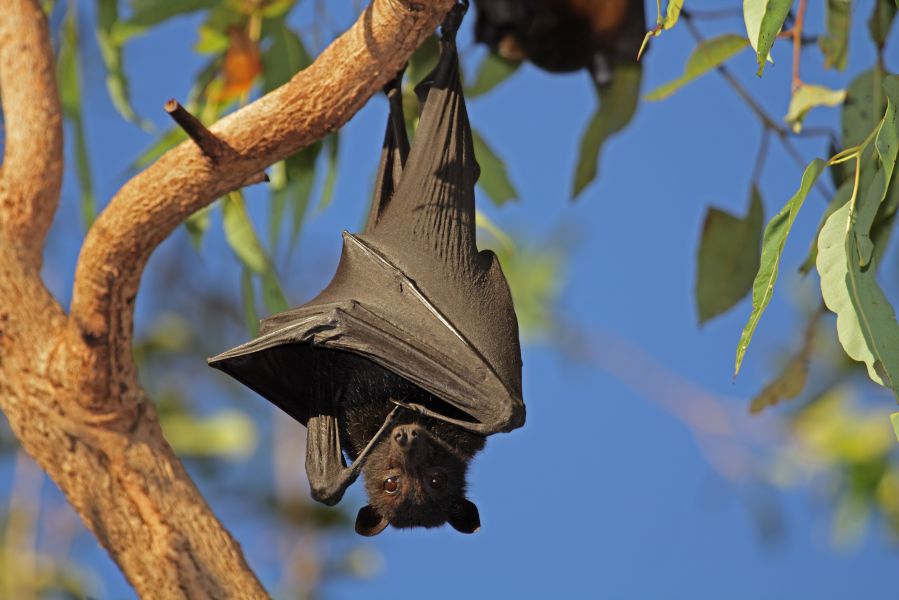
Defusing the sweet time bomb
Australians consume an average of 14 teaspoons of sugar daily. For diabetics, excess sugar can cause foot ulcers, amputations, and higher mortality. For her PhD, AITHM’s Dr Chanika Alahakoon worked with patients at TUH to prevent future readmissions for diabetic foot ulcers.
Read more
More than a gut feeling
Around 100,000 people in Australia suffer from Crohn’s disease or ulcerative colitis; both conditions are more commonly known as inflammatory bowel disease (IBD). Our researchers are examining how gut immunity fails as people grow older, which is a first step to better treatments.
Read more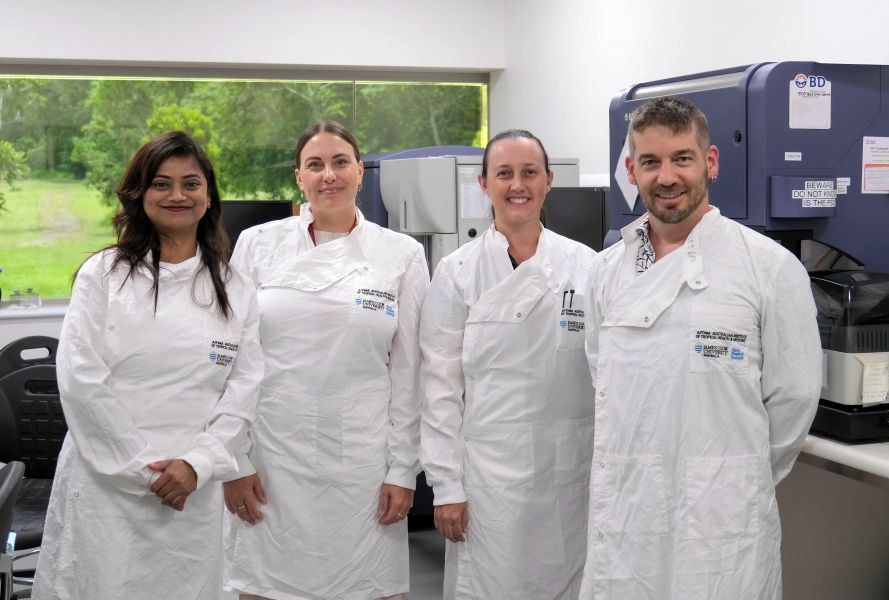
Hookworms: Unlikely heroes in the fight against autoimmune diseases
For years, Distinguished Professor Alex Loukas from the Australian Institute of Tropical Health and Medicine (AITHM) has been hunting for a vaccine against hookworms, a parasitic infection that affects more than 740 million people worldwide. However, more recently, his research has found that these parasites might actually offer a benefit: certain proteins found in hookworm saliva could be used to treat inflammatory bowel disease (IBD) and other autoimmune diseases.
See more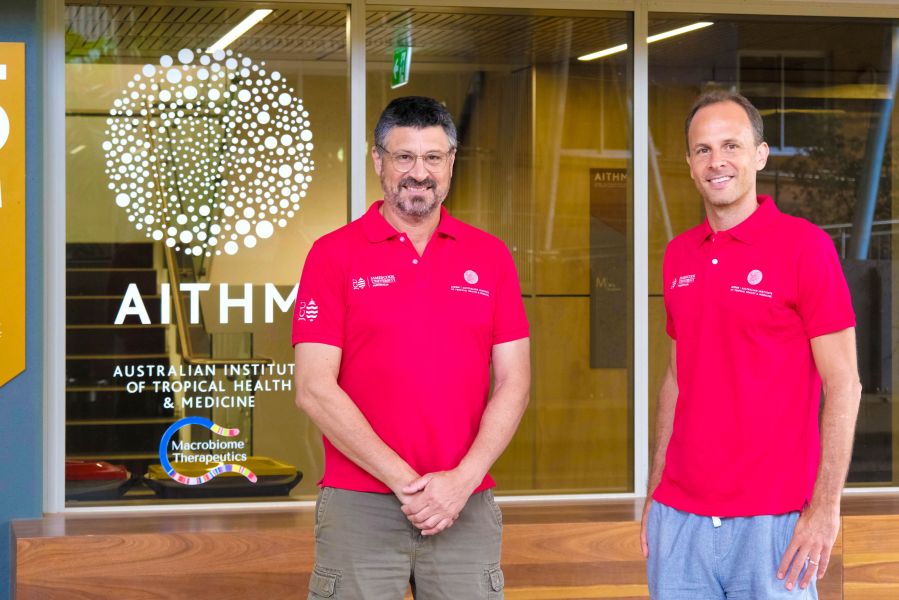
Transforming ancient knowledge into novel treatments for inflammatory bowel disease (IBD)
In collaboration with Traditional Owners from North Queensland, researchers from the Australian Institute of Tropical Health and Medicine (AITHM) have identified native plant compounds that could soon alleviate the symptoms of inflammatory bowel disease (IBD).
See more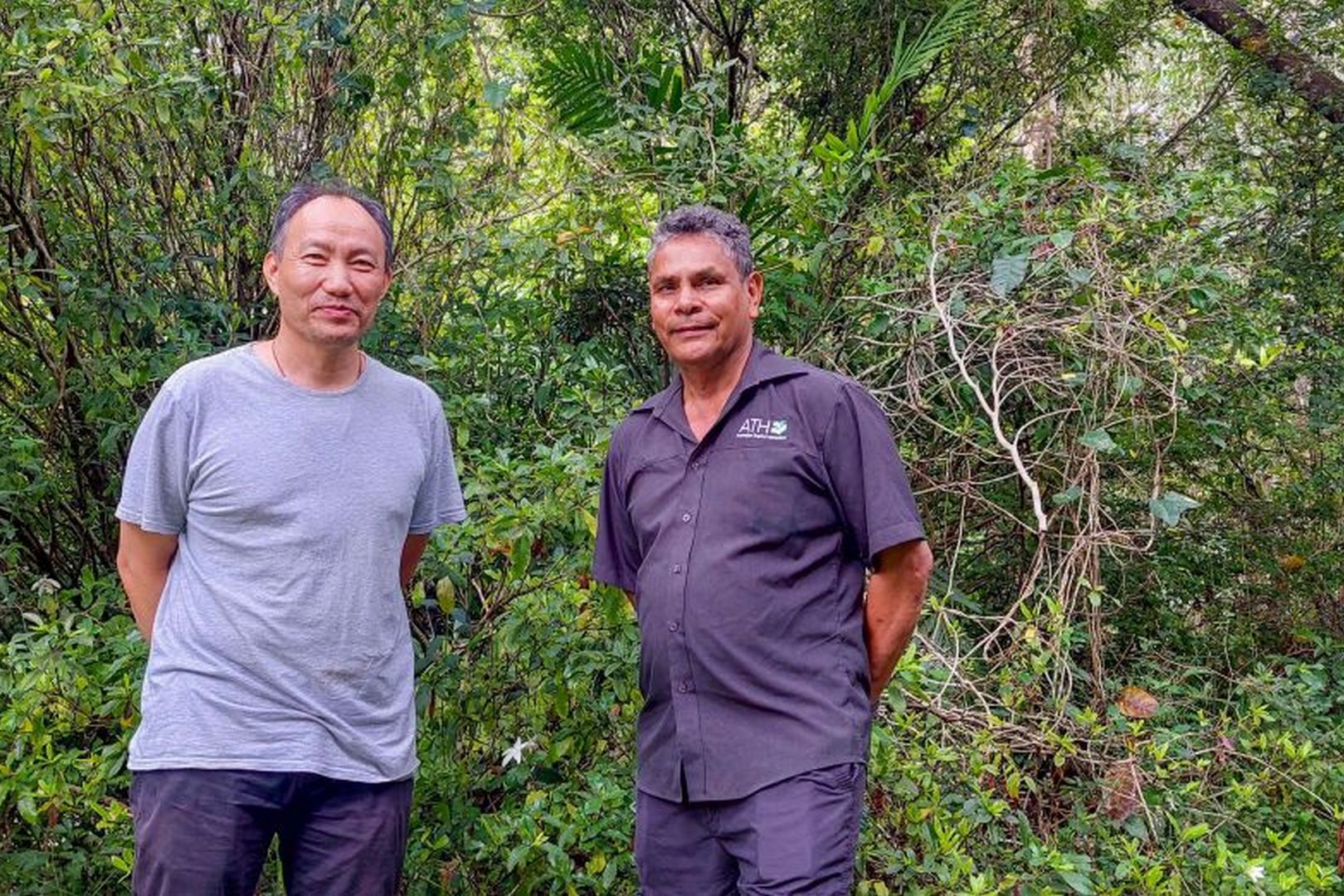
Boosting the power of the tuberculosis vaccine
The BCG vaccine (Bacillus Calmette-Guerin) has been the only available tuberculosis vaccine for more than a hundred years. AITHM’s Dr Guangzu Zhao and Associate Professor Andreas Kupz are now working on a new type of vaccine that aims to boost the power of BCG.
See more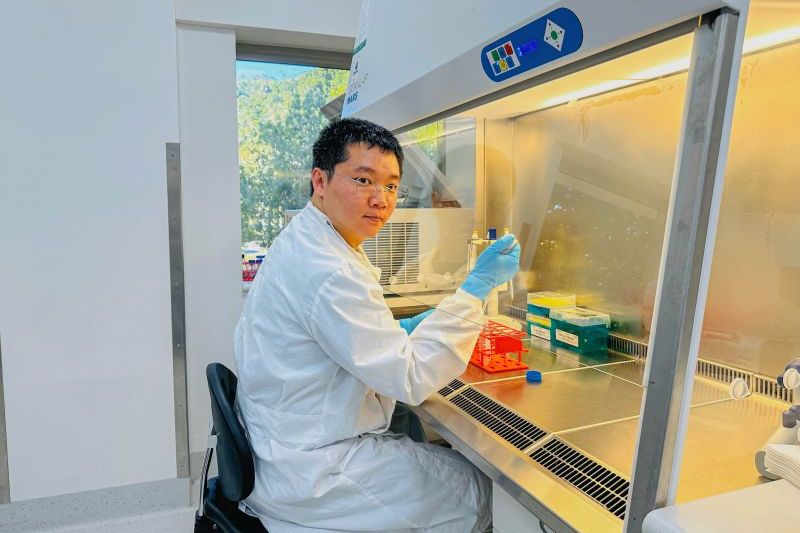
A healthy breeze
In cooperation with the Australian Institute of Tropical Health and Medicine’s (AITHM) Associate Professor Stephan Karl, PhD candidate Michelle Katusele is working to make life outside the mosquito net safer for people living in Papua New Guinea — using spatial emanators.
See more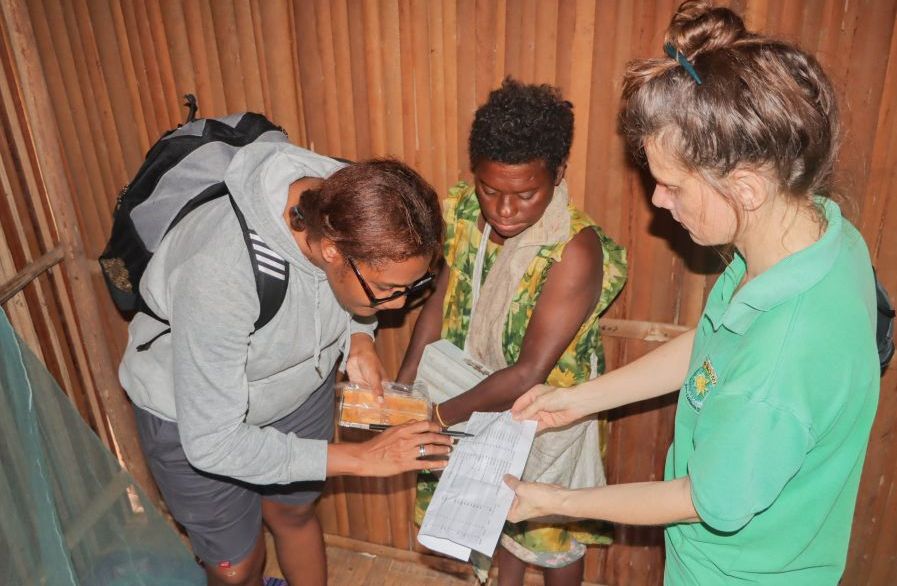
Making home a safer place
Malaria is a life-threatening disease that is spread to humans through the bite of infected mosquitoes. In 2022, it affected more than 249 million people around the globe — including Australia’s closest neighbour, Papua New Guinea (PNG). New research from the Australian Institute of Tropical Health and Medicine (AITHM) indicates that people could be better protected from mosquito bites by using a method that dates back to World War II, but with a 21st century twist.
Read more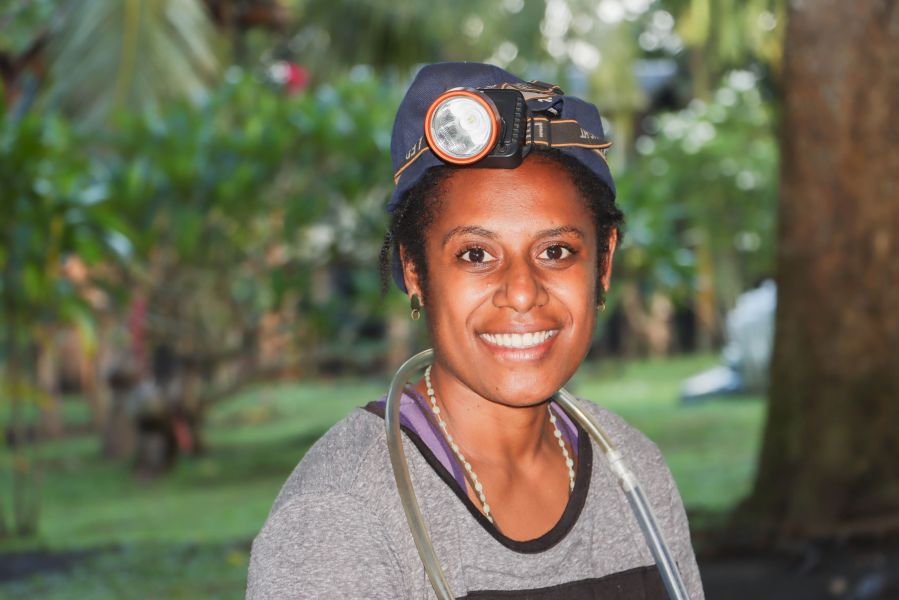
Peptide predictions with a high-tech twist
From agriculture and healthcare to business and education, artificial intelligence (AI) is transforming the future across almost every industry. But how might it be harnessed to shape scientific discovery? A new study from the Australian Institute of Tropical Health and Medicine (AITHM) explores AI’s ability to predict the structure of peptides — a breakthrough that could accelerate the development of life-saving drugs
Read more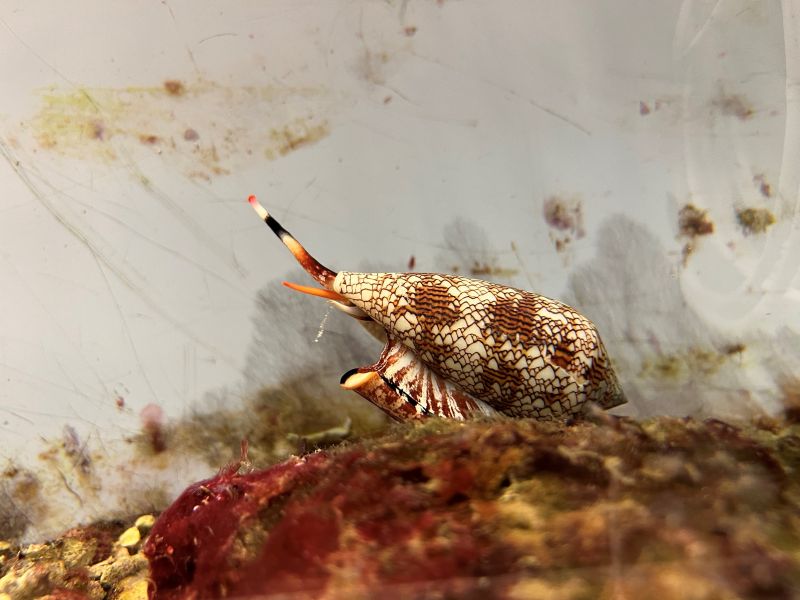
PacMOSSI: Empowering the Pacific to swat mosquito threats
In the fight against mosquito-borne diseases, countries in the Pacific Island region face unique challenges. For this reason, the Pacific Mosquito Surveillance Strengthening for Impact (PacMOSSI) program was launched to support Pacific Island countries as they work to combat these devastating diseases.
Read more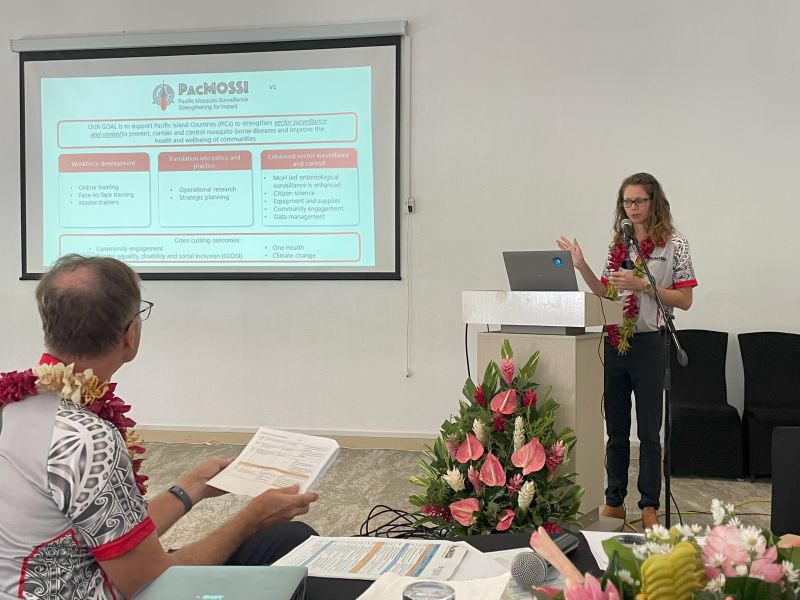
Lessons in disease governance and public health in Northern Queensland
Throughout history, we've seen a consistent pattern of infectious diseases emerge and re-emerge. This underscores the importance of ensuring our health systems are well-prepared and equipped with effective disease surveillance. New research from the Australian Institute of Tropical Health and Medicine (AITHM) seeks to determine how well disease control is being governed in Australia.
Read more
Mapping the risk of Japanese encephalitis in Australia
In 2022, mainland Australia experienced its first outbreak of Japanese encephalitis virus (JEV). As a result, 45 people were infected and six lost their lives. Researchers at the Australian Institute of Tropical Health and Medicine (AITHM) have identified areas at risk of future outbreaks to inform public health planning.
Read more