Indigenous Education and Research Centre New and current students Students - Indigenous Peer Assisted Learning (IPAL) Tutoring Program
Students - Indigenous Peer Assisted Learning (IPAL) Tutoring Program
- MRCMHR
- Future Students
- JCU Global Experience
- International Students
- Student experience
- Open Day
- How to apply
- Pathways to university
- Living on Campus
- Courses
- Publications
- Mature students
- Scholarships
- Entry options
- JCU Families
- JCU Heroes Programs
- Aboriginal and Torres Strait Islander in Marine Science
- Elite Athletes
- Defence
- Capability.Co
- AI@JCU
- AALL
- Current Students
- Student Ambassador Program
- New students
- JCU Orientation
- LearnJCU
- Placements
- EDQS
- Unicare Centre and Unicampus Kids
- Graduation
- Off-Campus Students
- JCU Job Ready
- Safety and Wellbeing
- JCU Prizes
- Professional Experience Placement
- Employability Edge
- Art of Academic Writing
- Art of Academic Editing
- Careers and Employability
- Health, Wellbeing and Belonging
- Career Ready Plan
- Careers at JCU
- Partners and Community
- School Outreach and Widening Participation
- Alumni
- International partnerships
- About JCU
- Reputation and Experience
- Chancellery
- Governance
- Celebrating 50 Years
- Academy
- Indigenous Engagement
- Education Division
- Research Festival
- Graduate Research School
- Research Division
- Research and Innovation Services
- CASE
- College of Business, Law and Governance
- College of Healthcare Sciences
- College of Medicine and Dentistry
- College of Science and Engineering
- MPE
- Anthropological Laboratory for Tropical Audiovisual Research (ALTAR)
- Rural Remote and Tropical Health Systems
- Agriculture Technology and Adoption Centre (AgTAC)
- Advanced Analytical Centre
- Australian Institute of Tropical Health and Medicine
- AMHHEC
- Aquaculture Solutions
- AMHRA
- JCU Digital Wellbeing Group
- ARCSTA
- Lions Marine Research Trust
- Australian Tropical Herbarium
- Australian Quantum & Classical Transport Physics Group
- Boating and Diving
- Clinical Psychedelic Research Lab
- Centre for Tropical Biosecurity
- Centre for Tropical Bioinformatics and Molecular Biology
- CITBA
- CMT
- Centre for Disaster Solutions
- CSTFA
- Cyclone Testing Station
- The Centre for Disaster Studies
- Daintree Rainforest Observatory
- Fletcherview
- JCU Eduquarium
- JCU Turtle Health Research
- MARFU
- Orpheus
- TESS
- JCU Ideas Lab
- CADSI
- CNL
- TARL
- eResearch
-
Indigenous Education and Research Centre
- Experience and prepare for uni
- Study with IERC at JCU
-
New and current students
- Students - Indigenous Peer Assisted Learning (IPAL) Tutoring Program
- Indigenous Student support staff and services
- Fees and financial support
- Making the move from home to JCU
- Getting ready for your first day
- Welcome to Orientation at the IERC
- Expand your social life and build your resume
- External and online students
- Exam preparation, support and tips
- Tutors - Indigenous Peer Assisted Learning (IPAL) Tutoring Program
- Information for families
- News and Events
- Scholarships
- Student Success Stories
- Research and Projects
- Indigenous Research Support Network
- About our centre
- Discover JCU's IERC
- Past Course and Subject Handbooks
- Estate
- Work Health and Safety
- Staff
- Discover Nature at JCU
- Cyber Security Hub
- Association of Australian University Secretaries
- Services Division
- Environmental Research Complex [ERC]
- Foundation for Australian Literary Studies
- Gender Equity at JCU
- Give to JCU
- Indigenous Legal Needs Project
- Inherent Requirements
- IsoTropics Lab
- IT Services
- JCU Webinars
- JCU Events
- JCU Motorsports
- JCU Sport
- Library
- Mabo Decision: 30 years on
- Marine Geophysics Laboratory
- Office of the Vice Chancellor and President
- Outstanding Alumni
- Policy
- PAHL
- Queensland Research Centre for Peripheral Vascular Disease
- Rapid Assessment Unit
- RDIM
- Researcher Development Portal
- Roderick Centre for Australian Literature and Creative Writing
- Contextual Science for Tropical Coastal Ecosystems
- State of the Tropics
- Strategic Procurement
- Student profiles
- SWIRLnet
- TREAD
- TropEco for Staff and Students
- TropCOVID: Mapping COVID-19 Immunity in Far North Queensland
- TUDLab
- VAVS Home
- WHOCC for Vector-borne & NTDs
- Media
- Copyright and Terms of Use
- Australian Institute of Tropical Health & Medicine
- JCU Respect
- Pay review
- Research
Feeling nervous about university study? Unsure about managing course content, assessments, or academic language? You're not alone, and our free IPAL tutoring service is here to help!
IPAL (Indigenous Peer Assisted Learning) tutors are experienced students who’ve successfully navigated the same challenges you’re facing. They offer 2 hours of one-on-one support each week to help you tackle tough subjects, learn effective study strategies, and build confidence.
Using a tutor doesn’t mean you’re not smart enough - it’s a proven way to boost your brilliance! Many students see better results and feel more confident in their studies. Our Indigenous Academic Support Advisors strive to match you with a tutor who works with you to build and strengthen your academic capacity and capabilities.
There's also opportunities to become a tutor. Learn more about becoming an Indigenous Peer Assisted Learning (IPAL) tutor and visit our webpage for tutors.
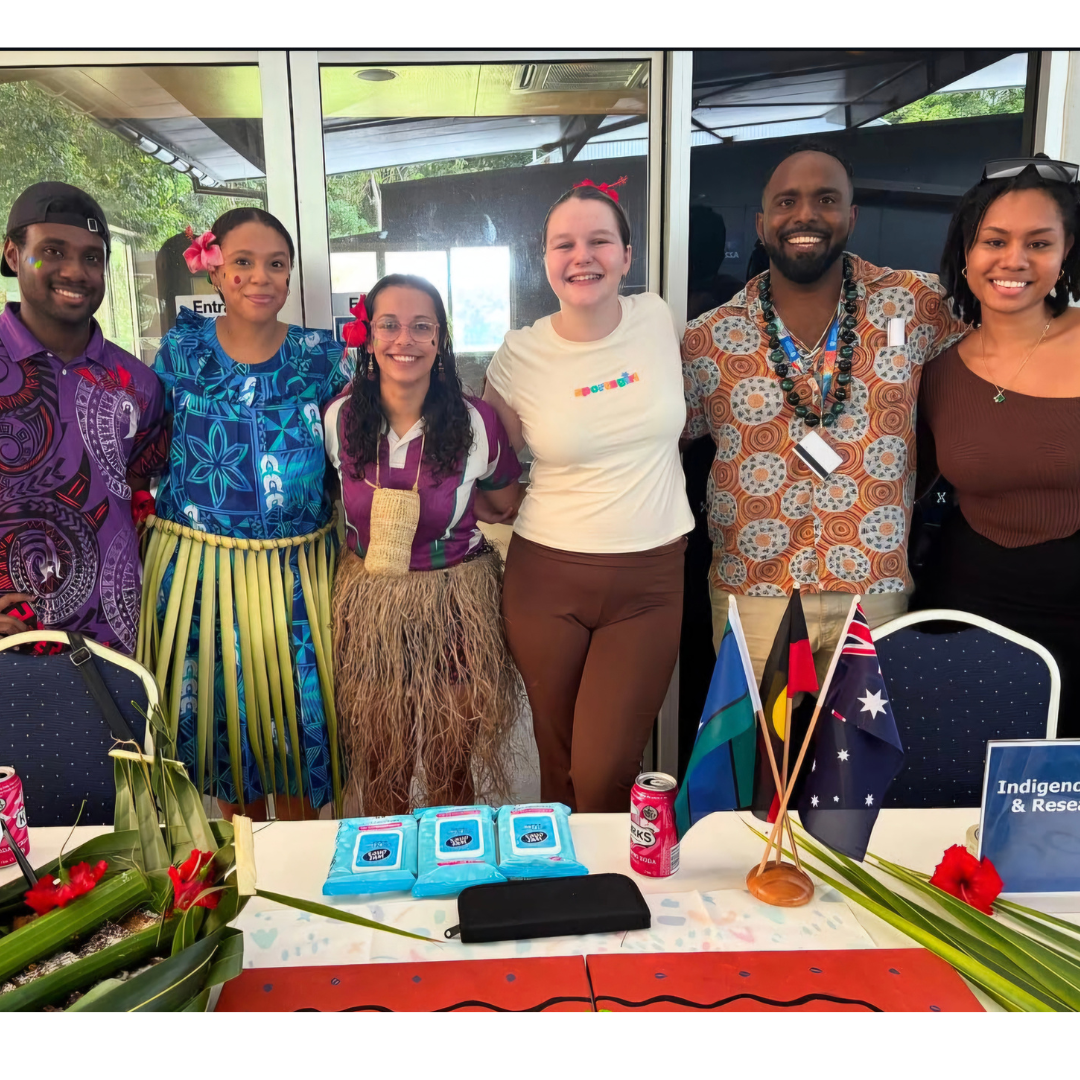
The relationship between students and tutors has proven to improve academic outcomes for our Aboriginal and Torres Strait Islander students in all disciplines across all year levels. Take advantage of this free support and set yourself up for success!
Maximise Your IPAL Tutoring Experience!
Want to make the most of your tutoring sessions? Here’s how:
- Stick to a routine: Regular weekly sessions are your secret weapon for success, especially in your first year.
- Get involved: Share what you’re finding tricky, try new ideas, and let your tutor know what works best for you - they’re here to help!
- Come prepared: Bring your course outline, notes, readings, or drafts so your tutor knows exactly how to support you.
- Plan together: Chat with your tutor about what to focus on next session, but don’t stress if you fall behind - showing up is the most important part.
- Be respectful: Can’t make it? Let your tutor know in advance and respond to their messages - they’ll appreciate it.
- Give it time: It takes a little while to build a strong tutor-student connection, but if it’s not clicking, the IERC team can find you someone new.
Start early for the best results, but don’t worry - you can join at any time during the semester if you need support. Ready to take your learning to the next level? Contact the IERC team today, and let’s get started!
Eligibility
Tutoring is available to all students who identify as being Aboriginal or Torres Strait Islander decent and are
currently enrolled in a course at JCU. Thanks to funding from the Indigenous Student Success Program (ISSP), this tutoring service is completely free.
How it works
- Indigenous Academic Support Advisors contact the students to discuss their tutoring needs.
- Students are then matched with a tutor who has the skills and knowledge in the required discipline area.
- Students and tutors choose a suitable session time that fits with their schedules. Weekly sessions are recommended through the duration of their academic calendar.
- Tutoring can take place face to face or via zoom throughout the academic weeks and exam preparation periods.
Get a tutor today
Want to connect with someone who understands the challenges and excitement of being a uni student? Get in touch with us today! You can also be part of the tutoring program as both a student and a tutor.
How tutoring has helped our students
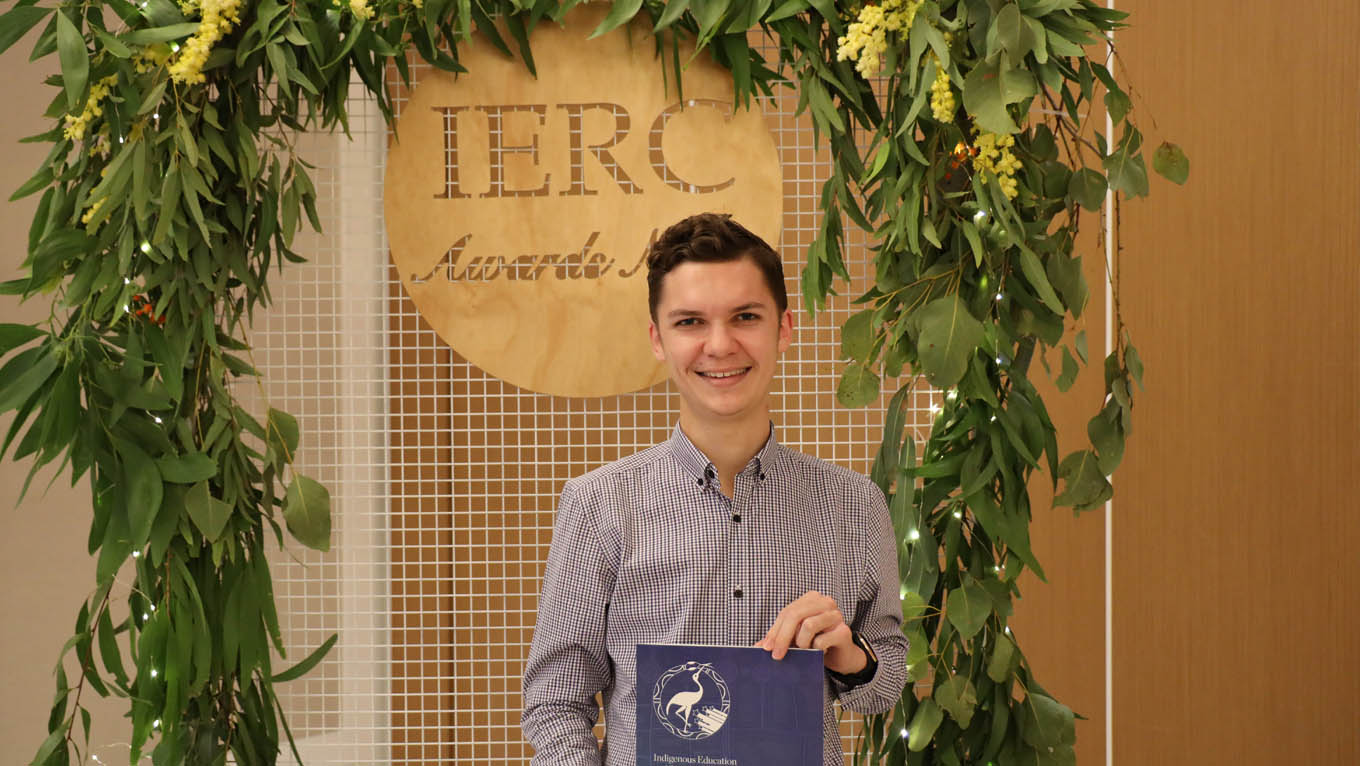
"The IPAL program has provided a valuable opportunity to review difficult concepts throughout my medical studies, discussing my interpretation and understanding of subject content with a more experienced Indigenous medical student tutor. IPAL tutoring sessions have demonstrated immense benefit toward my academic success, ensuring I am well prepared for exams and can achieve my academic goals. Importantly, IPAL tutoring has substantially improved my academic writing skills, collaborating with my tutor to identify areas for improvement within my assignments and obtain an external perspective to ensure clarity throughout assessment tasks.
Most significantly, utilizing my IPAL tutor has provided me with a senior Indigenous medical student who understands the challenges of university life, providing someone to liaise with when difficulties present throughout the semester, ensuring I can obtain an enjoyable and engaging university learning experience."
Myles Mckenzie
Bachelor of Medicine, Bachelor of Surgery
Current Student
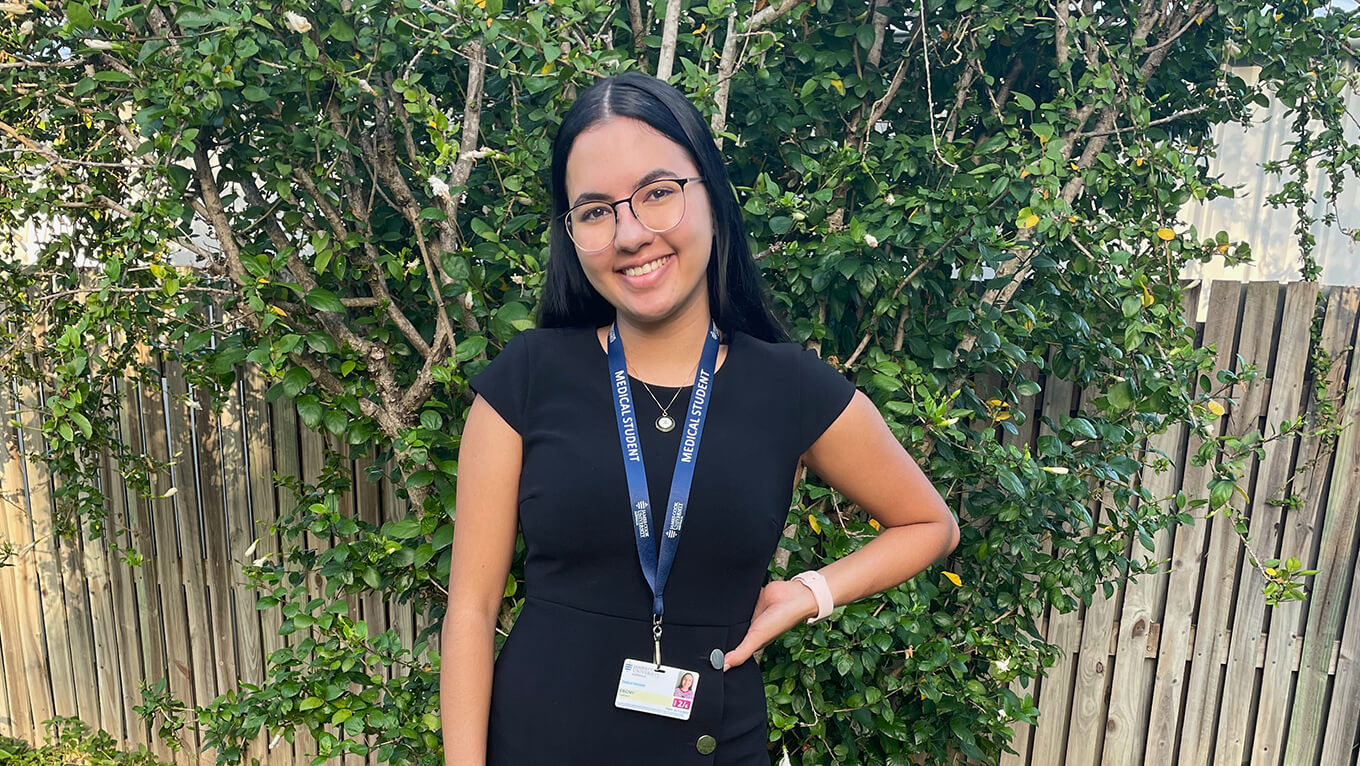
"I also had a student tutor provided by the IERC which was very beneficial to getting use to the set up of how to study for the university course load and examination structure.
It was also a good way to connect with a student in a higher year level of my degree who could give insight and advise on any questions I had and had a more relatable perspective than if I was to go ask a lecturer."
Ebony Pearson
Bachelor of Medicine, Bachelor of Surgery
Current Student