
Higher Degrees by Research
JCU's Indigenous Education and Research Centre's (IERC) Higher Degree by Research (HDR) programs offer a structured and supportive environment for both Indigenous and non-Indigenous students. With guidance from experienced advisors and participation in specialised Indigenous research intensives, you’ll be equipped to navigate the interface between Indigenous and Western knowledge systems.
Through this process, you’ll develop a novel research question, design and implement a research project, and take a critical position on a real-world issue. Your work will not only build your academic and research capabilities but also contribute meaningfully to evolving Indigenous research and scholarship. At every stage, you’ll be supported to think deeply, work collaboratively, and approach complex issues with insight and confidence.
Not sure where to begin?
Whether you're exploring the idea of postgraduate research or you're ready to apply, this page will walk you through the entire HDR journey at the IERC, from finding a supervisor and choosing a project to enrolment, supervision, scholarships, and research support.
Thinking about starting your research journey but not sure where to begin? We’ve got you covered. Whether you’re wondering about eligibility, how to find the right advisor, what documents you need, or how to apply—everything you need to know is laid out clearly and supportively below.
Click through the questions below to explore each stage of the HDR process, and feel confident knowing you’ll be supported every step of the way.
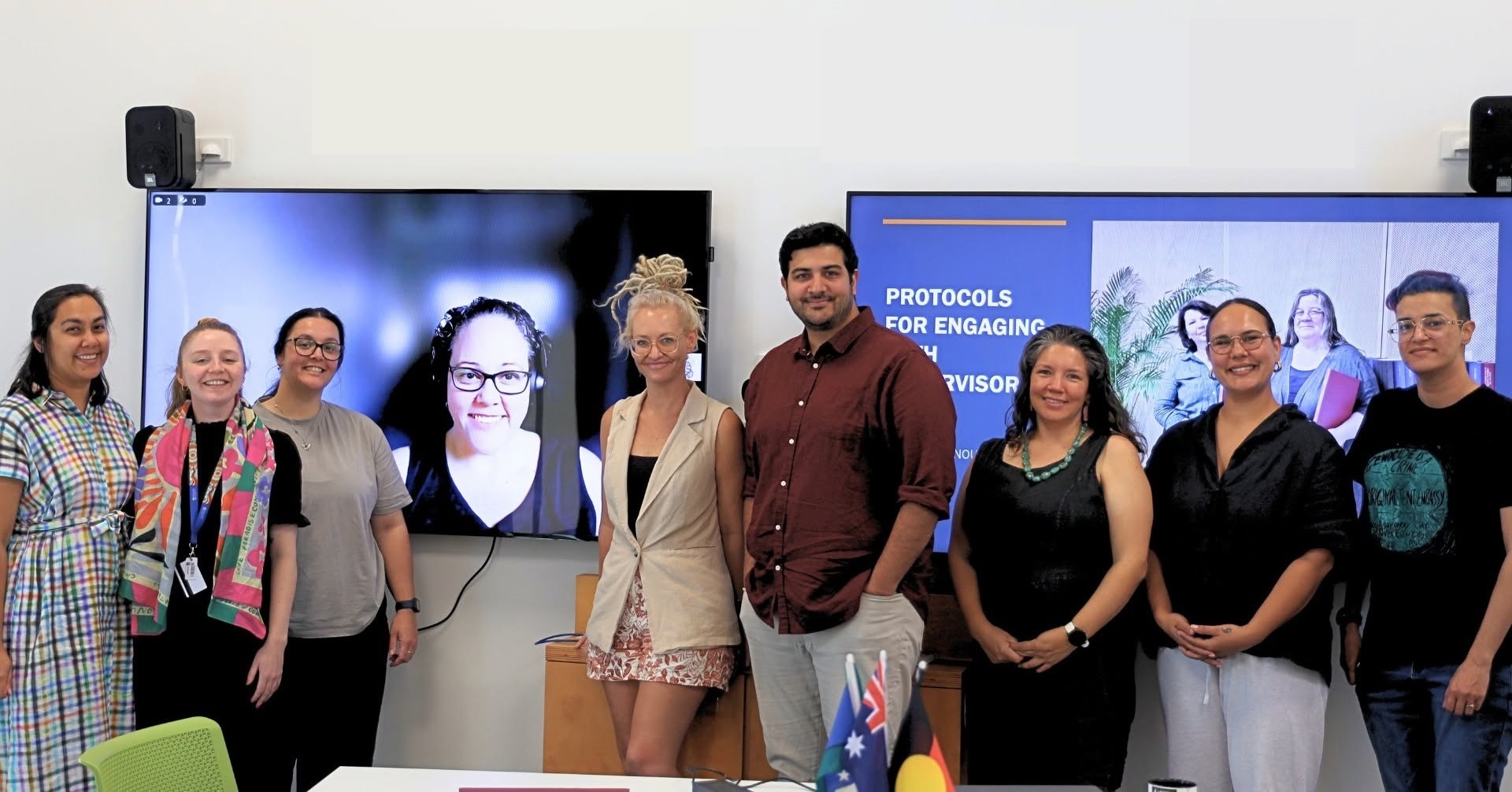
Bebegu Yumba (Townsville) campus
What is a Higher Degree by Research?
A Higher Degree by Research (HDR), such as a Master of Philosophy (MPhil) or Doctor of Philosophy (PhD), offers an exciting opportunity to make an original contribution to your field. Typically, HDR study requires an undergraduate degree and develops your skills in critical analysis, problem-solving, and independent thinking. This advanced qualification opens doors to academic, professional, and leadership roles where you can drive innovation and create meaningful change.
At our centre, we offer two HDR pathways tailored to your previous studies. If you’ve completed an undergraduate degree, you can enrol in the two-year Master of Philosophy (Indigenous). Those who hold an Honours degree, a Master by Research, or a postgraduate coursework qualification with substantial research may be eligible to start directly in the Doctor of Philosophy (Indigenous).
For students seeking to refresh academic skills, deepen knowledge of Indigenous issues, or improve their Grade Point Average before applying, the Graduate Certificate of Indigenous Studies is a supportive first step.
With your advisors, you will develop your thesis topic from a broad range of areas, relevant to your professional qualifications and interests. Research areas include but are not limited to:
- Indigenous studies
- Indigenous education
- Indigenous community development
- Indigenous knowledges
- Indigenous cultures
- Indigenous intersections with other disciplines
What courses are available to me?
The Master of Philosophy (MPhil) (Indigenous) is a supportive two-year program designed for students who have completed an undergraduate degree. It offers a unique and engaging research experience that blends hands-on research intensives with guidance from experienced advisors. Whether you’re Indigenous or non-Indigenous, this program helps you explore and balance both Indigenous and Western perspectives in your research journey.
Throughout the program, you’ll join two interactive research intensives where you’ll collaborate with peers and mentors to build your research skills and dive into Indigenous research methodologies. Following the intensives, you'll meet regularly with your experienced advisors to discuss your research progress, culminating in the presentation of a thesis. You will develop a research question and investigate a small-scale research project honing your skills along the way.
The Doctor of Philosophy (PhD) (Indigenous) offers you the opportunity to deeply investigate an original research question, establishing a critical position on an issue that matters. Through this advanced program, you'll engage with both Indigenous and Western knowledge systems to explore innovative solutions to complex real-world challenges.
Your journey is supported through a series of specialised Indigenous research intensives and regular guidance from experienced advisors who will walk alongside you as you refine your research question, design and implement your project, and analyse your findings. This process culminates in a PhD (Indigenous) thesis that contributes new knowledge and perspectives to your chosen field.
This program is open to students who have completed an Honours or Master’s by Research degree, or postgraduate coursework with a significant research component.
To be eligible to begin a HDR at the IERC, you will most likely need to have completed an undergraduate degree. For those who wish to build on their academic skills, extend their knowledge of Indigenous issues, or achieve a higher Grade Point Average (GPA) for HDR eligibility, the Graduate Certificate of Indigenous Studies offers a valuable preparatory pathway. This program equips students with essential skills and knowledge, strengthening their foundation for success in either the MPhil or PhD (Indigenous) programs.
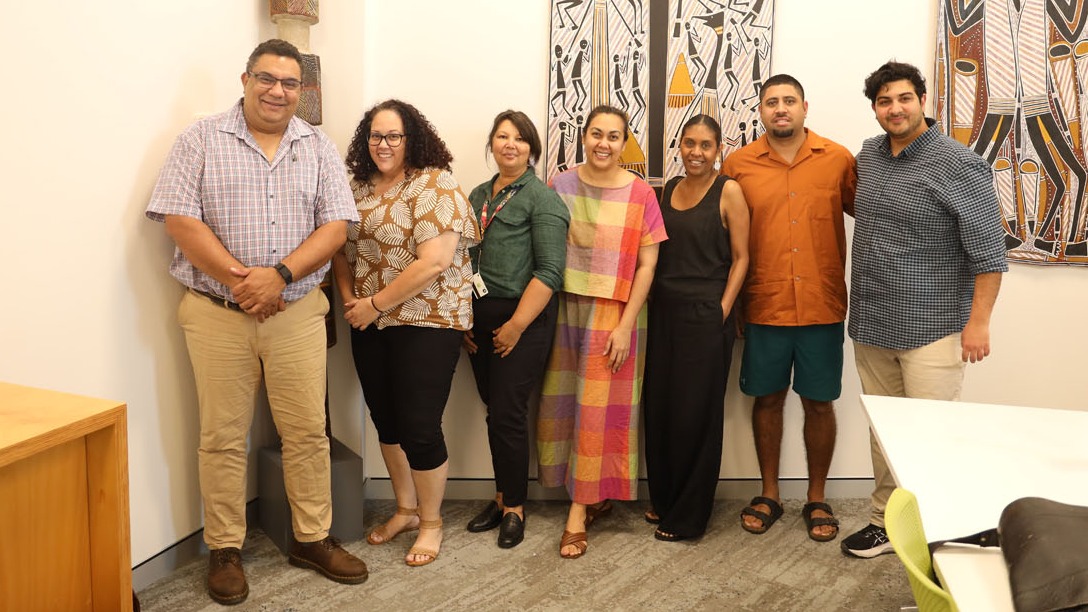
Bebegu Yumba (Townsville) campus
What projects do HDR students take on at the IERC?
HDR students at the IERC have the opportunity to design and lead their own research projects, contributing original knowledge to their fields. Both Master’s and PhD candidates can develop a research question based on their interests, working closely with advisors to shape and execute their projects.
How do I apply for a higher degree by research?
For more information and to discuss enrolment, please contact ierc.hdr@jcu.edu.au. You should attach:
- A short description of the project you would like to investigate
- Your CV
- Your academic transcripts
The duration of a Master of Philosophy (Indigenous) is 2 years full-time, or the part-time equivalent.
The duration of a Doctor of Philosophy (Indigenous) is 4 years full-time, or the part-time equivalent.
You can enrol in these programs as an internal or external student. These programs currently have an annual enrolment intake.
The Graduate Research School website has a page for you to get more information on applying for higher degrees by research.
What support is available?
HDR students at the IERC receive comprehensive support, including expert supervision and tailored resources. The centre fosters a collaborative environment where you are mentored by experienced researchers, who help you navigate both Indigenous and Western knowledge systems. This dual approach enriches your research, allowing you to explore topics from diverse perspectives while addressing cultural and academic considerations. The continuous guidance and resources provided ensure that you develop the skills necessary to complete meaningful research and contribute significantly to your field.
The 5-day HDR intensives at the IERC are designed to help you build confidence in your research and guide your independent project. The first intensive offers a solid introduction to research methods, helping you become familiar with academic processes and gain confidence in the research space. After six months, the second intensive encourages you to explore different research lenses, refine your approach, and enhance your project's direction. These intensives balance collaborative learning and individual focus, allowing you to directly apply new insights to your research and make significant progress.
At the IERC, HDR students receive personalised supervision from experienced researchers who provide expert guidance throughout their academic journey. Supervisors support students in navigating complex research topics, particularly in Indigenous studies, offering mentorship that aligns with each student's individual project goals. To explore a list of available research supervisors and find a mentor who aligns with your research interests, visit our HDR Advisors page.
The Graduate Research School at JCU supports students throughout their research journey, offering comprehensive resources for both prospective and current higher degree by research (HDR) candidates. It provides essential training, scholarships, and industry engagement opportunities to help students develop their skills and become successful researchers. The School also emphasises professional development, aiming to ensure that graduates are prepared for careers in academia, research, or industry. For more details, visit the Graduate Research School page.
The MPhil and PhD (Indigenous) programs at JCU are supported by the Australian Government Research Training Program, offering funding to assist with living expenses and tuition. HDR candidates may also apply for various scholarships, including those for Indigenous students and others with specific research interests. These scholarships are designed to support high-calibre students, ensuring they have the resources necessary to succeed in their research. For more details on eligibility and application processes, visit the Postgraduate Research Scholarships page.
Students are advised that a Student Services and Amenities Fee (SSAF) is applicable for all enrolled students at JCU. This fee contributes to a variety of student services and amenities that support your campus experience, including student support services, sporting facilities, and cultural activities.
The SSAF is calculated based on your enrolment status—full-time or part-time—and is charged twice per year, for the two main study periods (January to June and July to December). Fees are prorated if you withdraw from your studies or take a leave of absence during a study period. For detailed fee information and eligibility, please refer to the official SSAF page on the JCU website.
Our HDR programs are built to support you
Through a carefully structured combination of Indigenous research intensives and one-on-one advisory support, you’ll be guided to design and deliver a research project that makes a genuine contribution. You won’t just be answering research questions - you’ll be shaping them, establishing your own critical position, and developing a method to explore complex issues at the intersection of Indigenous and Western knowledge systems. With our support, you’ll grow as an independent researcher and help advance the field of Indigenous research with insight, integrity, and impact.