
Neurodiversity Hub

Welcome.
The JCU Neurodiversity Hub is an online hub that centralises resources, university services and community connections for neurodivergent students—and the staff who support them.
The aim was to curate practical, neuro‑affirming resources—checklists, email templates, tool guides, social stories, policy primers—mapped to key stages of the student journey.
The design and layout of this site has been informed by Neurodivergent students at JCU.
Click the categorised accordions below to peruse the list of resources. Make sure to bookmark this page for quick access!
This is a SSAF funded project.
| Item | Description |
|---|---|
| High School in Context | JCU’s “Your journey to uni” roadmap outlines Year‑10 → Year‑12 milestones—subject choices, prerequisite checks, application timelines and practical tips—to help high‑schoolers prepare for university life. |
| Applying to University | ADCET guide for students with disability that breaks down eligibility checks, admission routes and enrolment steps for both VET and higher‑education pathways within Australia’s AQF framework. |
| Transition to University | Neurodiversity Hub resource aimed at autistic (and other neurodivergent) students—covers orientation, campus navigation, disclosure decisions, study skills and a glossary of uni terminology. |
| AccessAbility | JCU is committed to ensuring that all students have equal opportunities to access, engage and participate in all levels of our university. If you live with disability, are neurodivergent, have a temporary or permanent health condition or injury that impacts on your studies, and/or you care for someone with disability, you may be eligible for support. Register with AccessAbility Services and book an appointment with an advisor here. |
| New & International Student Checklist | Printable checklist of pre‑arrival, orientation‑week and post‑arrival tasks (visa, enrolment, ID card, IT access, support services) for new and international JCU students. |
| Student Success Guide | Orientation‑week booklet that signposts key services, events and study‑success resources to help new JCU students settle in and thrive academically. |
| Campus and Campus Life | “What’s Uni Like?” page introduces life at JCU—differences from high school, campus living, student‑life opportunities and support networks. |
| AccessAbility & ND Disclosure – Navigating College | ASAN’s Navigating College handbook offers first‑person advice on self‑advocacy, accommodations, dorm life, disclosure and social issues for autistic college students. |
For Parents
Below is a list of resources specifically curated for Parents of Neurodivergent students at JCU.
Item | Description |
|---|---|
| Reframing Autism – “I Am a Parent” | This Australian nonprofit’s portal acknowledges that raising an autistic child can be joyful yet challenging. It explains that difficulties often come from systems (school, health care, etc.) not designed for autistic people rather than from autism itself. The page reassures parents that they are their child’s “safe” people and encourages them to learn about autism directly from autistic adults and other parents. It emphasises that a diagnosis doesn’t change who a child is and suggests webinars, articles and workshops that focus on strengths, communication and radical acceptance. |
| ADCET – Tips for parents/carers | Practical tips to support uni/career development; based on Australian sector research and best-practice principles. |
| Transition to University – Parents/Carers | This guide, developed by the Olga Tennison Autism Research Centre, helps parents and carers support autistic students transitioning to university. It covers preparation tips, student rights, disclosure decisions, and how to collaborate with universities to ensure the right accommodations and supports are in place. |
| Understood.org | Understood.org is a free, U.S.-based nonprofit offering expert, research-backed resources—articles, videos, interactive tools, and community support—to help individuals with learning and thinking differences such as ADHD and dyslexia, along with their parents and educators. It empowers users through personalized guidance, inclusive digital tools, and advocacy to promote understanding and inclusion in school, work, and daily life |
| Nurturing Neurodivergent Transitions: A Guide for Parents of School/University Leavers | This guide, developed by The Divergent Edge, offers parents practical, evidence-informed support as their neurodivergent child transitions from school to university, covering preparation strategies, emotional resilience, and advocacy in new learning environments. It aims to empower families to navigate change confidently, recognizing the unique strengths of neurodivergent students while easing the anxiety that often accompanies major educational milestones. |
| A Parent’s Guide: 7 Key Questions to Ask on College Tours for Neurodivergent Students | This guide helps parents of neurodivergent students make the most of college tours by advising them to ask targeted questions about disability services, tutoring options, and the depth of support tailored to individual learning needs. It encourages parents to go beyond general impressions—like campus aesthetics—to prioritize understanding how well a university can support neurodivergent learners. |
| Neurodivergent Parents working or studying in Higher Education presentation | This presentation highlights the often-overlooked positives of neurodivergent parents in higher education—sharing how traits like hyper-focus, unique insights, and lived experience of managing both parenting and neurodiversity can enrich academic work and research. It also explores the challenges they face—such as communication barriers, sensory sensitivities, burnout, and limited awareness or access to accommodations—while underlining the value of flexible learning, mentoring, and community support. |
| Welcome Pack - Reframing Autism | This downloadable Welcome Pack, co-designed by Autistic adults, supports individuals following an autism diagnosis by offering guidance on developing self-compassion, embracing identity, reducing masking, and connecting with a wider Autistic community. Through reflective prompts, glossary entries, FAQs, and practical insights drawn from lived experience, it fosters belonging, understanding, and self‑acceptance during a pivotal transitional time. Download links below: Welcome Pack Workbook |
| Transition to University Resource for Parents & Carers — Neurodiversity Hub | This section guides parents and carers on how to support neurodivergent students as they move into tertiary education, offering structured resources—like learning objectives, key points, in‑depth discussions, and summaries—to help families assist with planning, disclosure of diagnosis, and understanding student rights. Although tailored for autistic students, much of the content—including practical transition planning and support strategies—is applicable to all neurodiverse learners navigating university life. |
| University support for students with dis... | Disability Support Guide | This article from Disability Support Guide outlines how Australian universities support students with disabilities, including access to disability advisors, mental health services, financial aid, and planning tools to help students succeed in tertiary study. It highlights practical resources such as the Australian Disability Clearinghouse on Education and Training, which offers worksheets, tips, and support materials, while encouraging clear communication with university services to arrange tailored accommodations. |
| NDIS Pre-planning Toolkit for people with disability entering Higher Education or Vocational Education and Training - ADCET | The ADCET “NDIS Pre‑planning Toolkit” page introduces a suite of eight booklets designed for prospective tertiary students with different disabilities; it explains that these resources are meant to be used before starting university or vocational education and training, and help users identify what supports they’ll need, who will provide them and how to access them. It also notes there’s a customizable version for people whose disability or health condition isn’t covered and encourages early planning to ensure equitable participation. Below are direct download links for each toolkit (all in .pdf or .docx):
These links give you both the editable Word (.docx) and ready-to-use PDF versions for each specific NDIS pre‑planning toolkit. |
Checklists
Below are checklists and txt files to help prepare for university study.
| Checklist | Copy & Paste into your favourite To-Do list software or download the text file. |
|---|---|
| O-Week TXT FILE: O-Week Checklist.txt | ✔︎ ☐ Review campus map and mark quiet spaces, disability services, bathrooms, and food outlets that meet sensory needs. ☐ Review transport options including parking maps and public transport. ☐ Pack lunch, snacks and a water bottle. ☐ Pack your laptop, a notepad and pen. ☐ Set up IT access including Wifi, Access to Learn JCU and Microsoft 365 (help is available at the library if you need it) ☐ Collect student ID card; test it on library entrance points and printing stations. ☐ Check that you are enrolled in your subjects. Add key dates (enrolment cut-offs, census date, assessment deadlines) to a digital calendar with reminders. (Key dates are available in your subject outline). ☐ Contact AccessAbility to book a meeting. Reception services are available on the first floor of the library in Townsville and Cairns. ☐ Attend at least one course-related info session; note lecturer names and contact details. Details are also available on your subject site (LearnJCU) ☐ Sign up for closed captions or lecture recordings if offered. ☐ Identify a peer mentor, study buddy, or student society that feels safe and supportive. ☐ Pack a sensory toolkit (e.g., noise-cancelling headphones, stim toy, snacks) for the rest of the week. ☐ Schedule downtime after large events to prevent burnout. |
First Day of Lectures TXT FILE: First Day of Lectures Checklist.txt | ✔ ☐ Confirm classroom locations and travel time; plan to arrive 10 minutes early to choose preferred seat. ☐ Pack snacks, lunch and water bottle. ☐ Pack laptop, phone, notebook and pen. ☐ Visit the Learn JCU Subject Site. Download lecture slides in advance. Check whether there are any pre readings, recorded lectures or announcements from your lecturer. ☐ Check Wi-Fi credentials and battery levels for devices. ☐ Note any unfamiliar terms or acronyms to research later. ☐ Log homework or reading tasks in planner before leaving campus, set reminders and alarms to remind you when you get home. ☐ Introduce yourself to the lecturer or tutor after class (optional) and mention any approved accommodations. You can email your lecturer or make a time with them during their consultation times if you prefer. ☐ Debrief: rate sensory load 1-10; apply coping strategies if score > 6. |
First Assessment Preparation | ✔︎ ☐ Read rubric twice—highlight verbs (“analyse,” “compare”) and weightings. ☐ Break task into micro-steps with deadlines (research, outline, draft, proof). ☐ Clarify any uncertainties with lecturer via email before starting. ☐ Book an appointment with a learning advisor if you think you will need help. ☐ Create a dedicated digital folder with naming convention (e.g., “BX1021_Essay1_v1”). ☐ Gather reference-management tool (Zotero, EndNote) and set output style (APA 7). ☐ Block focused work sessions in calendar. Set up methods that help you stay on track e.g make a time with an accountability buddy, use pomadoro or time boxing. ☐ Arrange proofreading support (peer, studosity etc). Use read aloud functions on Microsoft word to have your assessment read aloud to you. ☐ Optional: Submit at least 12 hours before deadline to avoid last-minute tech stress; capture submission receipt. |
First Tutorial / Lab TXT FILE: First Tutorial Lab Checklist.txt | ✔︎ ☐ Confirm classroom locations and travel time; plan to arrive 10 minutes early to choose preferred seat. ☐ Pack snacks, lunch and water bottle. ☐ Pack laptop, phone, notebook and pen. ☐ Ensure you have completed any prerequisites e.g. lab safety session ☐ Read prescribed readings and write 2–3 talking points or questions. ☐ Pack any required materials (lab coat, calculator, printed worksheet). ☐ Review group-work expectations; prepare a short self-intro script. ☐ Map seating plan in advance: near exit, away from flickering lights, etc. ☐ Take concise notes of tutor instructions differing from the outline. ☐ If overwhelmed, step outside, go to the bathroom, fill up your drink bottle. If you need a longer break you may need to let your tutor know. ☐ Log follow-up tasks immediately after class while details are fresh, set reminders. |
First Exam TXT FILE: First Exam Checklist.txt | ✔︎ ☐ Verify exam location, start time, permitted materials, and ID requirements 24 h prior. ☐ Check that any accommodations are stated on your timetable (extra time, separate room, ergonomic chair) ☐ If you take medication ensure you take it on the day of your exam. ☐ Prepare exam kit: pens, calculator, earplugs, water bottle. ☐ Eat balanced meal and hydrate 2 h before; avoid unfamiliar foods or stimulants. ☐ Arrive 15 minutes early to settle; if you have strategies to help regulate use those, otherwise focus on breathing deeply. ☐ Read whole paper first, mark easy questions, manage time with wristwatch or timer. There will be a clock visible in all exams. ☐ Use planned “reset” cue (stretch, close eyes 10 s) every 20-30 minutes. ☐ Review answers if time allows; ensure name and ID on every booklet. ☐ Post-exam decompression: schedule a calming activity and delay performance analysis until rested. |
Personal Support Services
You may be feeling overwhelmed from your studies, stressed from work or you could be dealing with something difficult in your personal life. Whatever it is, we have a number of free student support services available to help you.
Check the table below to find who can help.
| Personal Support Services | Description |
|---|---|
| Extentions (Special Consideration) | If you need an extension on assessments/exams due to short-term and/or unforeseen life circumstances. Here is the form to fill out. You can request a short term extension (48 hours) or a long term extension. You will need to provide documentation for long term extension. If you need to defer an exam due to special circumstances. You will need to provide supporting documentation to defer an exam. Examples:
|
| Examinations | The Examinations department organise exams in the formal exam period at the end of each teaching period. The Examinations department also organise all of the exam adjustments for students who are registered with AccessAbility. This website had information about:
To apply for your Accessibility Adjustments for oncourse exams please complete the form : Apply For AccessAbility Exam Adjustments |
| AcessAbility (Disability) | Support and development of reasonable adjustments (exam adjustments, classroom adjustments) for neurodivergent students and/or students with a temporary/permanent disability/health condition that impacts on their studies. Detailed steps here under ‘how do I register with AcessAbility’.
Contact if you need help: Phone: 1800 246 446 Website: https://www.jcu.edu.au/student-equity-and-wellbeing/accessability-at-jcu |
| Counselling | JCU Wellbeing provides free and confidential counselling support for currently enrolled students. Students new to the service will first undergo a 25-minute intake call with a counsellor who will then refer to support internally, externally or provide appropriate resources. Students can access up to 10 counselling sessions per calendar year. Sessions can be in person or telehealth (person or zoom). Counsellors are mental health professionals and support across a range of issues including academic-related concerns (e.g. motivation, concentration, perfectionism) and non-academic-related concerns (e.g. anxiety, low mood, relationship issues). |
| ADHD 101 Support Group | This group program is for students diagnosed with ADHD. Students will learn more about ADHD and strategies to support them in the university environment, and have the opportunity to share strategies, resources, apps and lived experiences in a supportive group environment. To book a registration appointment, complete this form and tick the box saying ‘Are you interested in participating in the ADHD 101 Support Group Program ?’ |
| Indigenous Academic & Student Support Advisors | Our Indigenous Support Advisors are here to mentor, guide, and support you throughout your university journey. Whether you need personal, cultural, or academic assistance, or simply need help finding the right information, we’re here to help you succeed. We can assist with:
Not sure where to start? Go to our Enquiries page here and we will reach out to you. Prefer to call or email? Call: (07) 4781 4676 | Email: ierc.studentsupport@jcu.edu.au |
| Student Success Officers | Supporting study progress, plan creation for personal challenges, referrals to JCU services and in the community. Helping with JCU policies and administrative tasks relevant to study or assessment. Available for: Business and Law, Education, The Arts and Social Work, Nursing/Midwifery, OT, Physiotherapy, Psychology, Speech Therapy, Engineering, IT, Science, Pharmacy, Veterinary Science. |
| International Student Services and Support | Ongoing Support Visa and Compliance Assistance: Guidance on Confirmation of Enrolment (CoE) and student visa requirements. Academic Progression Support: Intervention plans for students needing academic assistance. Australian Award Scholarship Management: Expert help for scholarship recipients.
|
| Student Centre | Helpful staff that can assist with general questions and directions if you get lost. More specific help:
Townsville Visit us in Building 134, Bebegu Yumba campus, Douglas Open from 9 am to 5 pm Monday - Friday (AEST) Cairns Visit us in Building A1, Nguma-bada campus, Smithfield. Open from 9 am to 5 pm Monday - Friday (AEST) |
All IT Info here | To help you with all your IT questions and support needs and can be reached Monday through Friday, from 8am to 6pm AEST (closed weekends and Public Holidays). There are four ways that you can get in touch:
|
| Academic Advocacy | If you have any academic concerns and need guidance and/or representation to resolve the issue.
Other Specific info here. |
| Welfare | Student Advocacy and Welfare Officers may be able to assist you with local services available in your area for:
|
| Equity Officers | First point of contact if you experience any form of discrimination, harassment and bullying. Contact: Damian Dunne - Equity and Diversity Consultant, Human Resources (Cairns) Email: damian.dunne@jcu.edu.au Phone: (07) 4232 1136 Contact Equity Officers here |
| JCU Respect Misconduct Officers | First point of contact if you experience sexist behaviours, sexual harassment, sexual assault, domestic or family violence, or any form of gender-based violence. You can talk with a JCU Respect Misconduct Officer about any matter that is causing you concern - no matter how big or small the issue might seem. They can provide accommodations or adjustments to be able to keep working or studying, referrals to specialised support and information about making a report or complaint. |
| Feedback and Complaints | Information on how to make informal and formal complaints. Refer to ‘My rights, responsibilities and expectations’ tab for exact elaboration. Feedback and complaints are separate from sexual misconduct reports and complaints. |
Study Support Services
Below is a list of study support services to help you through your academic journey.
| Item | Description |
|---|---|
| The Learning Centre | Hub for academic‑skills support at JCU—bookable consultations, workshops, study guides and exam‑prep resources across writing, maths, English language and more. How We Can Support Your Academic Success
|
| Learning Online | Central gateway to digital study success: explains LearnJCU, accessing lectures, time‑management tips, tech requirements and where to get help while studying remotely. |
| Learning Advisor Consultation |
Book a Learning Advisor here. |
| JCU Library | The JCU Library offers a welcoming space to study, collaborate and research. Whether you're on campus or off campus, the JCU Library is here to support you with:
Connect with JCU Library via our online Chat service or Contact Us page. |
| Indigenous Academic & Student Support Advisors | Our Indigenous Support Advisors are here to mentor, guide, and support you throughout your university journey. Whether you need personal, cultural, or academic assistance, or simply need help finding the right information, we’re here to help you succeed. We can assist with:
Not sure where to start? Go to our Enquiries page here and we will reach out to you. Prefer to call or email? Call: (07) 4781 4676 | Email: ierc.studentsupport@jcu.edu.au |
| Indigenous Peer Assisted Learning (IPAL) Tutoring Program | IPAL (Indigenous Peer Assisted Learning) gives you 2 hours of one-on-one support each week from students who’ve been where you are and know how to succeed. Build skills, sharpen study strategies, and head into assessments with confidence. Many students use IPAL as a proactive step toward the results they’re aiming for. Want to get a tutor today? Go to our Enquiries page here and we will reach out to you. Prefer to call or email? Call: (07) 4781 4676 | Email: ierc.studentsupport@jcu.edu.au |
| Support for Pathways/Prep | The Pathways Student Support Team will provide advice and support on all matters related to your study in Pathways/JCU Prep. We are located in Cairns and Townsville and available online. We are here to ensure that your learning journey goes as smoothly as possible and assist you with any questions, challenges and referrals to other free JCU services as needed. Get in touch Elena Rhind Tess Fouracre Nina Lynch |
| Student Success Officers | Supporting study progress, plan creation for personal challenges, referrals to JCU services and in the community. Helping with JCU policies and administrative tasks relevant to study or assessment. Available for: Business and Law, Education, The Arts and Social Work, Nursing/Midwifery, OT, Physiotherapy, Psychology, Speech Therapy, Engineering, IT, Science, Pharmacy, Veterinary Science. |
| Student Mentors | Mentors are successful students within the same course of study. Mentors will share experience and advice for uni. Link to find a mentor. |
| PASS (Peer Assisted Study Sessions) | PASS is a free group study session hosted by a student who has previously completed that subject with excellence. It functions as a friendly and relaxed study session for students to collaborate and learn the material from peers. Availability: Monday and Tuesday 9.00am-12.30pm Wednesday and Thursday 9.00am-2pm For more information about PASS Townsville: Contact Pass Townsville For more information about PASS Cairns: Contact Pass Cairns |
| Study Planning Guide | A quick study guide to help guide you through planning your studies. |
| Windows 11 Accessibility Guide | Handbook outlining built‑in Windows 11 accessibility features (magnifier, voice access, captions, colour filters, etc.). |
| LMS & Digital Learning Tools Orientation | Quick‑start page that walks new students through key communication platforms—LearnJCU, Outlook, Teams, Collaborate—and how to set them up for coursework. |
| Your JCU Orientation Modules | Self‑paced online orientation covering university essentials: getting started, academic success, student support, studying online/on‑campus, social connections and more. |
| Personalised Orientation Plan | Login tool that builds a custom checklist of O‑Week sessions, campus events and key tasks based on your course, location and study mode. |
Dyslexia Resources
Below is a list of Dyslexia specific resources.
| Item | Description |
|---|---|
| Supporting Students with Dyslexia: A Guide to Resources for High School and College Success | This article from SpeechPathology.org outlines a wide array of organisations, scholarly works, books, videos and podcasts designed to help students with dyslexia, particularly those transitioning into higher education, build academic strategies and access accommodations. It emphasises the pivotal role of speech-language pathologists and other professionals in supporting language-based learning disorders, alongside self-advocacy tools and inclusive resources for educational success. |
| Australian Dyslexia Association |
The Australian Dyslexia Association’s “Adults” page, outlines how the ADA supports adults who suspect or know they have dyslexia. It explains reasons to seek identification, describes services like pre-assessment, referrals for full assessment, advice on workplace/study accommodations, and links to
relevant resources, with a contact email for assistance. Watch Australian Dyslexia Association on Channel 7's Daily Edition |
| The Reading Writing Hotline | The Reading Writing Hotline’s “Dyslexia Support for Adults” page explains what dyslexia is, how it can affect adults, and reassures that reading challenges don’t always mean dyslexia. It offers friendly guidance, a free phone service, and referrals to local learning support. |
| Anxiety NZ – Dyslexia and University | This blog post shares a personal experience of studying at university with dyslexia—highlighting how academic anxiety, long‑standing frustration, and self‑doubt can impact mental wellbeing. It also emphasizes that with the right support and perspective, dyslexic students can thrive and even discover strengths within their unique learning journey. |
| ADCET Webinar: Supporting students with dyslexia at university | This presentation gives details about a research project conducted at a regional university in Australia about how to better support university students with dyslexia by Christina Maurer-Smolder, Susan Hunt, PhD, Shane Parker and Karin Stokes, PhD. |
| NZ Tertiary Education Commission – Dyslexia Resources | This page offers a comprehensive toolkit for tertiary education organisations to better support learners with dyslexia and neurodiversity, featuring best-practice resources—including assessment tools, assistive technologies, case studies, and guides—that benefit all learners. It underscores that what works for neurodivergent learners is effective for everyone and promotes inclusive learning across New Zealand’s tertiary sector. |
| Made by Dyslexia | Made By Dyslexia is a global charity led by successful dyslexics, dedicated to redefining the narrative around dyslexia and spotlighting “Dyslexic Thinking” as a powerful strength rather than a limitation. Through free training, resources, campaigns, and the University of Dyslexic Thinking (“DyslexicU”), it equips individuals, schools, and workplaces with the skills to harness creativity, problem-solving, and ingenuity as key assets in today’s AI-driven world. |
| Oxford University Press - Dyslexic-friendly reading texts | This page offers specially adapted reading materials from the English File Student’s Books—ranging from Elementary to Advanced—that are visually simplified to support students with dyslexia. These downloadable texts help improve readability and accessibility without altering the original content. |
| Dsxyliea | This blog post by Geon introduces Dsxyliea, an interactive JavaScript concept inspired by typoglycemia, which simulates the way text might appear to someone with dyslexia, where letters seem to “jump around.” It invites users to explore and even remix the idea, encouraging participation through a GitHub fork. |
Email Templates
Below are premade email templates which you can use to communicate with stakeholders. Click the link to download a zipped folder with the outlook template for you to fill out.
| Template | Description |
|---|---|
| Outlook email template students can personalise to seek clearer instructions, rubric details, or marking criteria for a specific assessment task. | |
| Template for initiating a structured email to team‑mates: proposes task division, sets deadlines, and requests confirmation to keep group projects on track. | |
| Draft message for arranging a meeting with the lecturer or tutor to review grades, feedback, and strategies for improvement. | |
| Ready‑to‑fill email for requesting special consideration (extensions, deferrals, or adjustments) due to illness, personal circumstances, or disability. |
Social Stories
Below are a list of Social Stories to help understand parts of university life.
| Social Stories | Description |
|---|---|
| Asking for Help in Class | Models hand-raising etiquette and polite question phrasing, equipping students with a low-pressure strategy for seeking clarification without disrupting the class. |
| Managing Assignments | Breaks big tasks into dated milestones (research, draft, edit, proof) with phone reminders, offering learners an external executive-function scaffold that keeps projects on track. |
| Preparing for Exams | Outlines a clear countdown of revision actions (review notes, draft practice questions, pack essentials), giving students a predictable tick-box routine that transforms exam anxiety into step-by-step confidence. |
| Going to My Lecture | Shows what materials to bring and how to behave (phone on silent, sit near the back if leaving early), helping learners anticipate sensory and social expectations so the lecture environment feels safe and structured. |
| How to Meet with Your Lecturer | Breaks down requesting, scheduling and preparing for consultations, providing students with a script and clear sequence that lowers social anxiety and makes meetings productive. |
| How to Write an Email to a Lecturer | Demonstrates a concise professional email template (subject line, greeting, purpose, student ID, polite sign-off), enabling neurodiverse students to communicate confidently without second-guessing tone or format. |
| Managing My Stress | Teaches breathing cycles, Pomodoro-style work sprints, hydration and support contacts, giving neurodiverse learners concrete self-regulation tools to prevent overwhelm during busy periods |
| My University Day Schedule | Shows how to block classes, meals, breaks and exercise on one page, giving neurodiverse learners a visual routine that balances workload and wellbeing. |
| Participating in Class Discussions | Offers a listen-note-wait-speak script that lets neurodiverse students time their input and build confidence without social overload. |
| Using the Library | Maps noise zones, borrowing rules and quiet-space etiquette so neurodiverse learners can navigate sensory environments and resources stress-free. |
| Where do I find the due dates for assignments deadlines and exams | Directs students to the Subject Outline in LearnJCU, providing a single reliable anchor that prevents executive-function overload and missed deadlines. |
| Working with My Group | Models a task-splitting email and clear role setting, empowering neurodiverse students with the structure and communication clarity needed for collaborative work. |
Career & Development
Below is a list of reseources to aid Neurodverse students in their career and development goals.
| Item | Description |
|---|---|
| ADCET – Employment | Career‑development hub for students with disability: covers paid work while studying, work‑integrated learning, graduate programs and government‑funded employment services, with practical worksheets and success stories. |
| Be Your Best Academy | Online provider of professional and personal‑development courses designed by and for neurodivergent adults—enrol any time and build strengths‑based skills for study, work and life. |
| Untapped Group | Consultancy that partners with employers to create sustainable employment ecosystems for neurodiverse people, veterans, First Nations, CALD and elite‑sports talent—leveraging advanced tech, workforce programs and its Waypoint platform. |
| Genius Armoury Project | Free micro‑course platform (backed by Untapped) introducing neurodivergent learners to cybersecurity fundamentals; aims to build a specialist talent pipeline via short, certificate‑backed modules. |
| JCU Careers | The James Cook University (JCU) Careers and Employability page offers students and graduates a comprehensive suite of resources and support services, including career planning appointments, job search tools, skill-building modules, and access to employment opportunities, all designed to enhance employability and facilitate a successful transition into the workforce. |
HDR Students
Below is a list of resources specifically aimed at Neurodiverse HDR and Postgraduate Students.
| Item | Description |
|---|---|
| Neurodiverse Postgraduate Researchers Network | A volunteer-led peer support network founded in 2019 by two PhD students, Neurodiverse Postgrad Researchers connects neurodivergent postgraduate students and researchers across the world to share resources, information, and lived experiences about studying while neurodivergent (e.g. dyslexia, dyspraxia). The group hosts regular online meet-ups, maintains a blog, shares via social media (Twitter: @NDPostgrads), and collaborates with podcasts (e.g. Phdeets) to raise awareness and offer mutual support to neurodivergent researchers navigating postgraduate challenges |
| Supervising Neurodiverse Postgraduate Researchers | The article discusses the challenges and best practices for supervising neurodivergent postgraduate researchers, emphasizing that differences in how people learn, communicate, and manage tasks should be seen as variation—not deficits. It suggests strategies such as having individual learning plans or supervision agreements tailored to student needs, making expectations explicit, practising “meta-communication” (i.e. discussing how feedback is given and understood), and encouraging supervisors to develop empathy and flexibility rather than assuming everyone fits standard academic norms. |
| Communicating with your Supervisor | This Monash University page emphasizes how vital clear, regular communication is between Higher Degree Research (HDR) students and supervisors. It recommends establishing expectations early, varying communication methods (face-to-face, email, informal chats), coming prepared to meetings, and being willing to adjust styles and frequency to suit both parties. |
| Supporting neurodiversity in higher degree research supervision: a relational approach | This article explores how supervisors can better support neurodivergent postgraduate researchers. It argues that supervision should move beyond compliance frameworks and adopt a relational approach, emphasizing empathy, flexibility, and recognition of diverse ways of thinking, learning, and working to create inclusive, equitable research environments. |
| How to Support Neurodivergent Postgraduate Researchers | The piece argues that as PhD student populations become more neurodiverse, supervision must become “neurodiversity-affirmative” by building understanding of different learning styles, communication preferences, and hidden barriers (like masking). It recommends supervisors establish clear structures and expectations, adjust feedback and communication to suit individual needs, and for institutions to invest in training, inclusive policies, and support that goes beyond requiring formal diagnosis. |
| Link in Title | Cover | Description |
|---|---|---|
| Divergent Mind: Thriving in a World That Wasn't Designed for You | 
|
The bestselling, paradigm-shifting study of neurodivergent women—those with ADHD, autism, synesthesia, high sensitivity, and sensory processing disorder—exploring why these traits are overlooked in women and how society benefits from allowing their unique strengths to flourish. ISBN:9780062876812, 0062876813 Page count: 256 Published: March 24, 2020 Format: ebook Publisher: HarperCollins Language: English Author: Jenara Nerenberg |
| NeuroTribes | 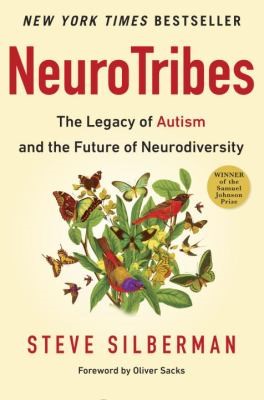
| Steve Silberman's NeuroTribes: The Legacy of Autism and the Future of Neurodiversity is a comprehensive exploration of the history of autism, challenging traditional perceptions by advocating for the recognition of neurodiversity and the inclusion of autistic individuals in society Call Number: ELAC Stacks RC553 .A88 S54 2015 ISBN: 158333467X Publication Date: 2015-08-25 |
| We're Not Broken | 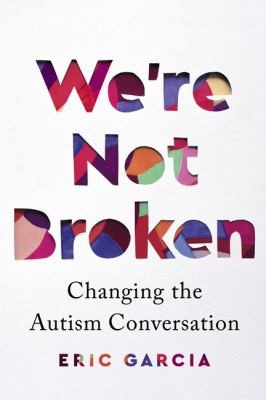
| Eric Garcia's We're Not Broken: Changing the Autism Conversation is a compelling blend of memoir and journalism that challenges prevailing misconceptions about autism, advocating for a shift from viewing it as a disorder to recognizing it as a natural variation of human diversity, and emphasizing the importance of including autistic voices in discussions that shape their lives. ISBN: 1328587843 Publication Date: 2021-08-03 |
| Sincerely, Your Autistic Child | 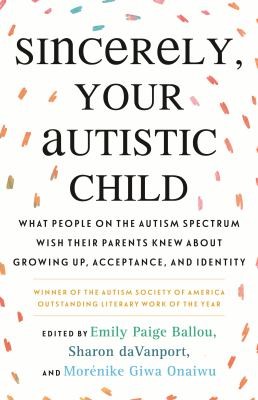
| Sincerely, Your Autistic Child: What People on the Autism Spectrum Wish Their Parents Knew About Growing Up, Acceptance, and Identity is a heartfelt anthology of essays by autistic individuals, offering parents candid insights into the experiences, challenges, and joys of growing up autistic, and emphasizing the importance of acceptance, understanding, and celebrating neurodiversity. ISBN: 0807025682 Publication Date: 2021-03-30 |
| Uniquely Human: A Different Way of Seeing Autism |
| Barry M. Prizant's Uniquely Human: A Different Way of Seeing Autism offers a compassionate and groundbreaking perspective on autism, viewing it as a distinct way of being rather than a disorder to be “fixed.” ISBN: 1476776245 Publication Date: 2016-07-19 |
| Camouflage: The Hidden Lives of Autistic Women |  | Camouflage: The Hidden Lives of Autistic Women by Sarah Bargiela, illustrated by Sophie Standing, is a concise and visually engaging graphic novel that explores the often-overlooked experiences of autistic women, shedding light on how gender influences the presentation and perception of autism through real-life case studies and discussions on masking, relationships, and identity. ISBN: 1785925660 Publication Date: 2019-03-21 |
| Autism: A Very Short Introduction | 
| Uta Frith's Autism: A Very Short Introduction offers a concise yet comprehensive overview of autism spectrum disorders, examining their history, core characteristics, potential causes—including genetic and environmental factors—and the evolving understanding of autism as a neurodevelopmental condition, while also exploring theories like weak central coherence and the experiences of autistic individuals. ISBN: 0199207569 Publication Date: October 23, 2008 |
| Geeks, Genes, and the Evolution of Asperger Syndrome | 
| Geeks, Genes, and the Evolution of Asperger Syndrome by Dean Falk and Eve Penelope Schofield combines evolutionary anthropology and personal narrative to explore the neurological and genetic foundations of Asperger syndrome, proposing that traits associated with autism are natural variations in human cognition and evolution. ISBN: 0826356923 Published: March 2018 |
| See It Feelingly: Classic Novels, Autistic Readers, and the Schooling of a No-Good English Professor | 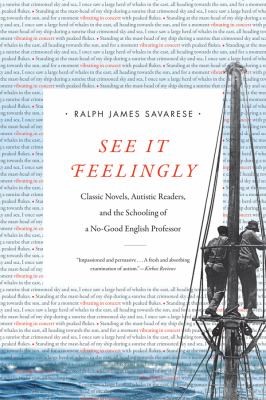
| Ralph James Savarese's See It Feelingly: Classic Novels, Autistic Readers, and the Schooling of a No-Good English Professor is a profound exploration of how autistic individuals engage with classic literature, challenging prevailing misconceptions about autism and revealing the depth of insight and empathy these readers bring to texts. ISBN:9781478002734, 1478002735 Page count: 296 Published: October 26, 2018 |

Apps and Tools
Below is a list of Apps and Tools that the AccessAbility Team has discovered to make life and study a little bit easier.
Please Note: Some of the tools listed may not be supported technically by JCU, user disgretion is advised.
| Item | Description | Platform | Cost | JCU Supported |
|---|---|---|---|---|
| Notion | Productivity and note-taking web AI app | Web | Free / Subscription | No |
| Goblin Tools | Break down big and overwhelming tasks into smaller sub tasks | Web / Apple / Android | Free / Paid | No |
| Perplexity | AI-powered answer engine | Web | Free / Subscription | No |
| Humata | AI tool for text-based files, helps understand complex research paper or articles. | Web | Free / Subscription | No |
| Forest | Fun timer / pomodoro app designed to aid ADHD students to keep on task. You plant trees every time you complete the timer - real trees get planted as a part of their charity | Apple / Android | Free / Paid | No |
| OtterAI | AI-powered transcription and note-taking, Meeting Assistant | Web / Apple / Android / Chrome | Free / Subscription | No |
| OneNote | One cross-functional notebook for all your note taking needs. | Web / Apple / Android | Free | Yes |
| RaienaAI | Turn your study notes into a tutor | Web / Apple / Android | Free / Subscription | No |
| NotebookLM | AI Research Assistant, upload content to be summarize and explained | Web | Free | No |
| Quizlet | A better way to study with flashcards is here. Quizlet makes it simple to create your own flashcards, study those of a classmate, or search our archive of millions of flashcard decks from other students. | Web | Free | No |
| Audio Equalizer | Graphic Audio EQ for Chrome, tune your browsing audio experience. | Chrome | Free | No |
| Zotero | Zotero is a free, open-source reference management tool that helps you organize, store, and cite research sources. You can use it to manage and prepare your work. | Web / Apple / Android | Free | No |
| Atlas Primers | Creates learning environments from user sources such as pdf, audio, video, urls etc Users can create audio flash cards and personalized learning journeys | Web | Free / Subscription | No |
| xTiles | Similar to notion but a lot more simple. It allows you to fill a screen with post it notes and organise them in a way that is intuitive | Web / Apple / Android | Free / Subscription | No |
| YouTube to Text | Chrome browser extension creates transcripts of all youtube videos - stops needing to rewind to understand what is spoken | Chrome | Free | No |
| Power Thesuarus | Writing tools that gives options for synonyms, antonyms, definitions, example sentences, phrases for words | Web | Free | No |
| GammaAI | AI tool that uses AI to generate Powerpoint presentations. | Web | Free | No |
Study Spaces
Below are a list of study space design with Neurodiverse needs in mind.
Click here to view JCU TSV Study Hubs
| Location | Description | Photo |
|---|---|---|
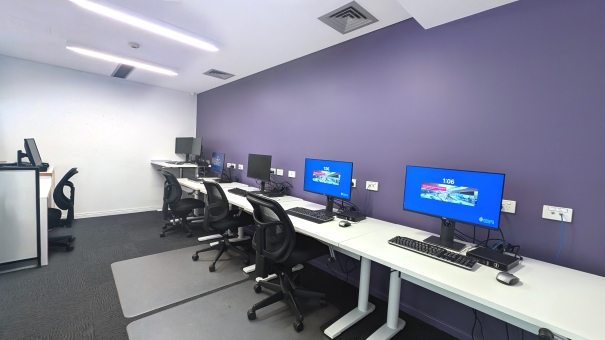
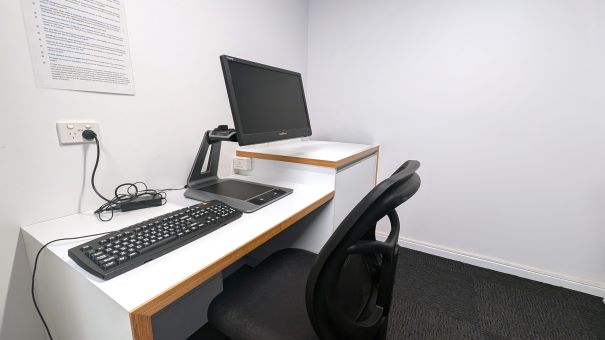
| 018-016 | The Assistive Technology Compuer Lab is located in the Townsville Libary and is available during Library hours 7am-12am Mon-Fri |
|
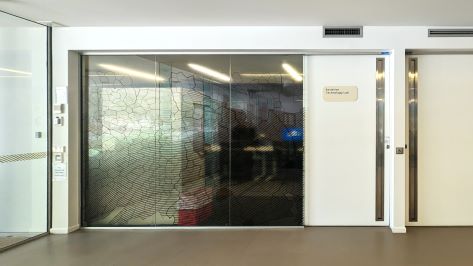
| 018-058 | AccessAbility Services is located in the TSV Library are always here to help. | 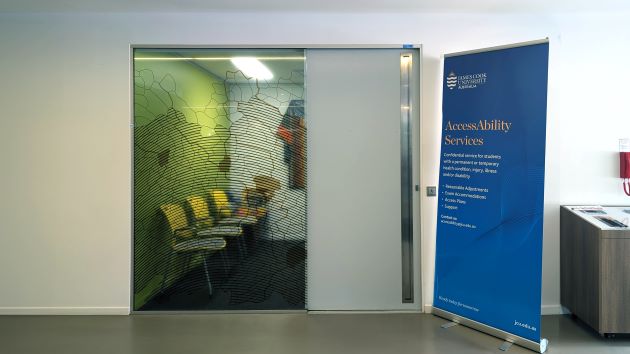 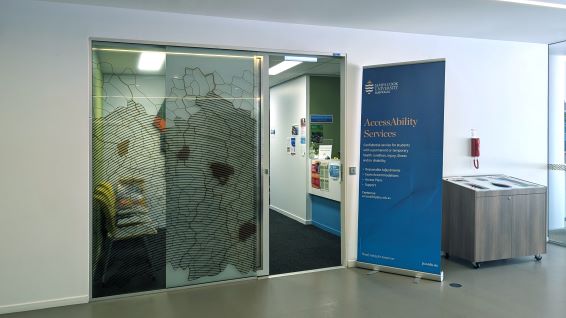 |
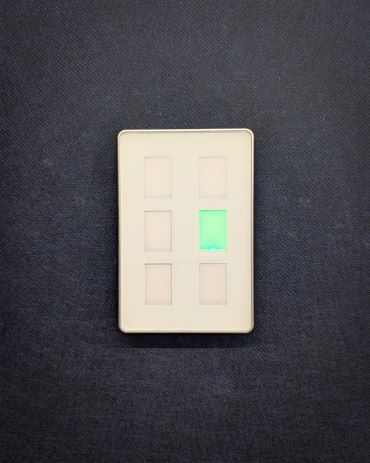
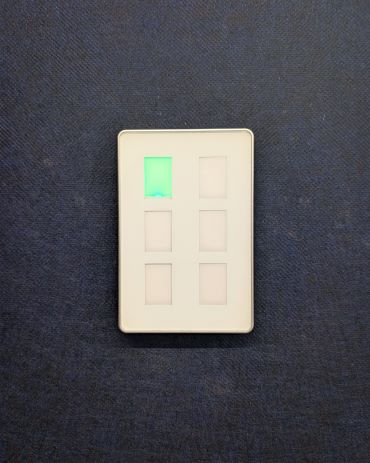
| 027-005 | 027-005 classroom has dimmable lights for photo sensitive students. |
|
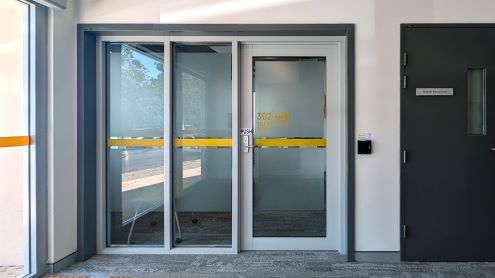
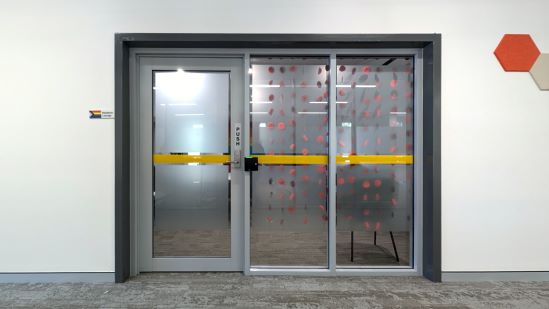
| 302-001 | Quiet Study Space in Building 302 |
|
Suggest a Resource
Have a resource you would like to see on the hub? Tell us by clicking the link below!
If you have any questions or queries relating to the Neurodiversity Hub please get in touch.
AccessAbility Email: accessability@jcu.edu.au