Indigenous Education and Research Centre New and current students Exam preparation, support and tips
Exam preparation, support and tips
- MRCMHR
- Future Students
- JCU Global Experience
- International Students
- Student experience
- Open Day
- How to apply
- Pathways to university
- Living on Campus
- Courses
- Publications
- Mature students
- Scholarships
- Entry options
- JCU Families
- JCU Heroes Programs
- Aboriginal and Torres Strait Islander in Marine Science
- Elite Athletes
- Defence
- Capability.Co
- AI@JCU
- AALL
- Current Students
- Student Ambassador Program
- New students
- JCU Orientation
- LearnJCU
- Placements
- EDQS
- Unicare Centre and Unicampus Kids
- Graduation
- Off-Campus Students
- JCU Job Ready
- Safety and Wellbeing
- JCU Prizes
- Professional Experience Placement
- Employability Edge
- Art of Academic Writing
- Art of Academic Editing
- Careers and Employability
- Health, Wellbeing and Belonging
- Career Ready Plan
- Careers at JCU
- Partners and Community
- School Outreach and Widening Participation
- Alumni
- International partnerships
- About JCU
- Reputation and Experience
- Chancellery
- Governance
- Celebrating 50 Years
- Academy
- Indigenous Engagement
- Education Division
- Research Festival
- Graduate Research School
- Research Division
- Research and Innovation Services
- CASE
- College of Business, Law and Governance
- College of Healthcare Sciences
- College of Medicine and Dentistry
- College of Science and Engineering
- MPE
- Anthropological Laboratory for Tropical Audiovisual Research (ALTAR)
- Rural Remote and Tropical Health Systems
- Agriculture Technology and Adoption Centre (AgTAC)
- Advanced Analytical Centre
- Australian Institute of Tropical Health and Medicine
- AMHHEC
- Aquaculture Solutions
- AMHRA
- JCU Digital Wellbeing Group
- ARCSTA
- Lions Marine Research Trust
- Australian Tropical Herbarium
- Australian Quantum & Classical Transport Physics Group
- Boating and Diving
- Clinical Psychedelic Research Lab
- Centre for Tropical Biosecurity
- Centre for Tropical Bioinformatics and Molecular Biology
- CITBA
- CMT
- Centre for Disaster Solutions
- CSTFA
- Cyclone Testing Station
- The Centre for Disaster Studies
- Daintree Rainforest Observatory
- Fletcherview
- JCU Eduquarium
- JCU Turtle Health Research
- MARFU
- Orpheus
- TESS
- JCU Ideas Lab
- CADSI
- CNL
- TARL
- eResearch
-
Indigenous Education and Research Centre
- Experience and prepare for uni
- Study with IERC at JCU
-
New and current students
- Students - Indigenous Peer Assisted Learning (IPAL) Tutoring Program
- Indigenous Student support staff and services
- Fees and financial support
- Making the move from home to JCU
- Getting ready for your first day
- Welcome to Orientation at the IERC
- Expand your social life and build your resume
- External and online students
- Exam preparation, support and tips
- Tutors - Indigenous Peer Assisted Learning (IPAL) Tutoring Program
- Information for families
- News and Events
- Scholarships
- Student Success Stories
- Research and Projects
- Indigenous Research Support Network
- About our centre
- Discover JCU's IERC
- Past Course and Subject Handbooks
- Estate
- Work Health and Safety
- Staff
- Discover Nature at JCU
- Cyber Security Hub
- Association of Australian University Secretaries
- Services Division
- Environmental Research Complex [ERC]
- Foundation for Australian Literary Studies
- Gender Equity at JCU
- Give to JCU
- Indigenous Legal Needs Project
- Inherent Requirements
- IsoTropics Lab
- IT Services
- JCU Webinars
- JCU Events
- JCU Motorsports
- JCU Sport
- Library
- Mabo Decision: 30 years on
- Marine Geophysics Laboratory
- Office of the Vice Chancellor and President
- Outstanding Alumni
- Policy
- PAHL
- Queensland Research Centre for Peripheral Vascular Disease
- Rapid Assessment Unit
- RDIM
- Researcher Development Portal
- Roderick Centre for Australian Literature and Creative Writing
- Contextual Science for Tropical Coastal Ecosystems
- State of the Tropics
- Strategic Procurement
- Student profiles
- SWIRLnet
- TREAD
- TropEco for Staff and Students
- TropCOVID: Mapping COVID-19 Immunity in Far North Queensland
- TUDLab
- VAVS Home
- WHOCC for Vector-borne & NTDs
- Media
- Copyright and Terms of Use
- Australian Institute of Tropical Health & Medicine
- JCU Respect
- Pay review
- Research
You’ve already made it this far! All study period, you've been putting in the work - practicing your learning, building your knowledge, meeting with your tutor, attending lectures, submitting assessments, and tackling quizzes. These are the key steps that have brought you to this point, each one building your foundation for exam success. Now, all you need is a little extra preparation to get ready for exam day.
This page offers step-by-step exam preparation tips, from checking your timetable and practicing with your tutor to reviewing key summaries and managing stress. With tailored support from the IERC, you'll find guidance to help you approach exams confidently and effectively.
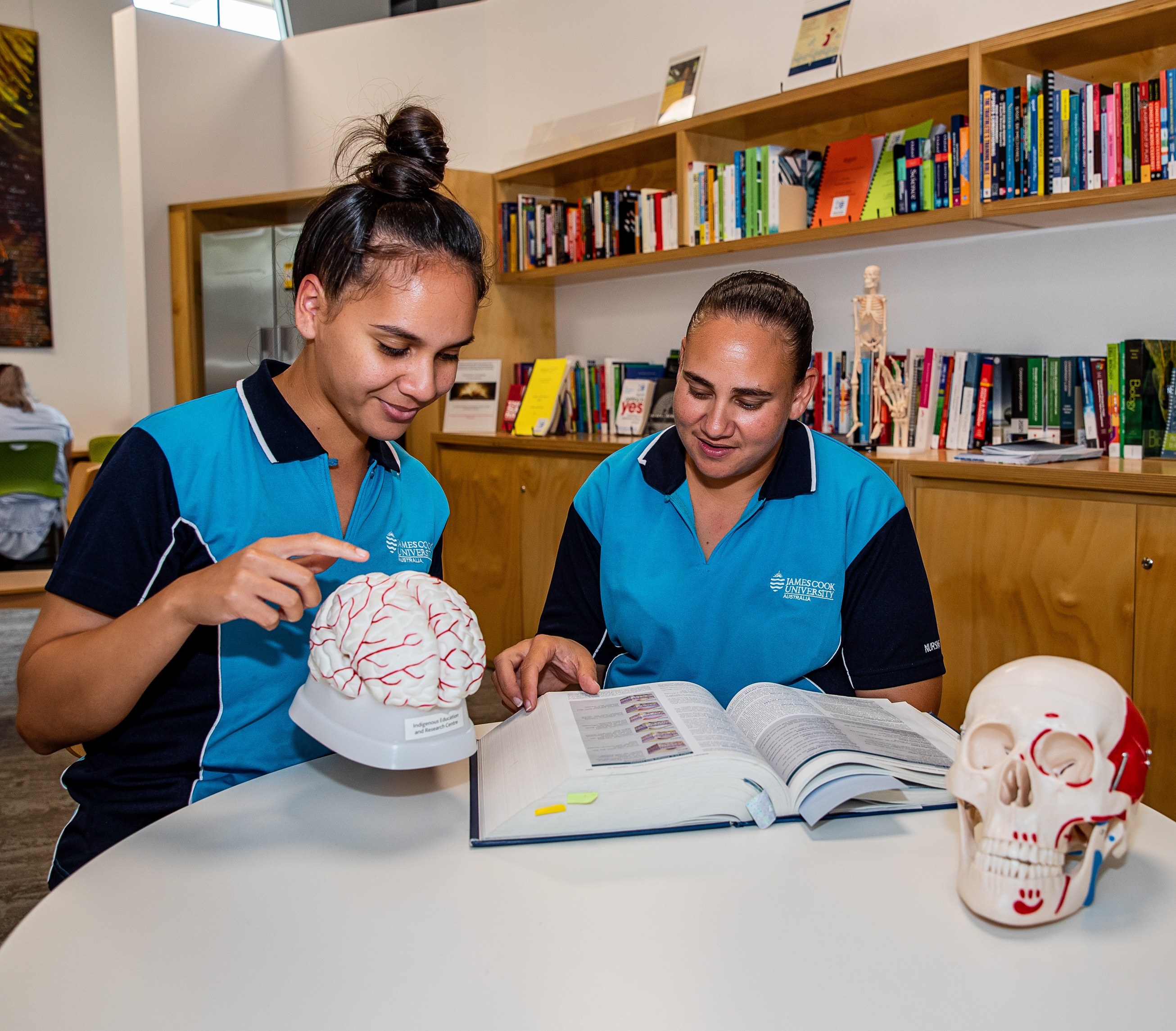
Exam Prep Tips – Step by Step
1. Check Your Student Email for your Personal Timetable Information
Check your student email for a message from Examinations (exams@jcu.edu.au). This email will contain all the essential details for your exam, including:
- the subject name,
- exam date and time,
- how long the exam will go for,
- the campus location,
- the building and room number,
- what type of exam it is (e.g., whether it is on campus, online at home or practical), and
- a list of permitted materials.
Make sure to review this information carefully. Knowing exactly what to bring - and what items you’ll need to leave behind - will help keep you feeling confident and focused on the day.
The images below show examples of exam emails that students receive. Pay close attention to the highlighted sections—these details include essential information like the exam location, start time, permitted materials, and other important instructions. Being familiar with this information in advance will help you feel organized, avoid any last-minute surprises, and keep you focused on doing your best in the exam.
Example:
Exam: BM1032 / 1062 Anatomy and Physiology for Occupational Therapy 2 / Anatomy and Physiology for Sport and Exercise Science 2
Assessment Type: Hard Copy Paper Exam
Date: Monday 04/11/2024
Start Time: 8:45am
Duration: 2 hours plus 0 minutes reading
Campus: Townsville
Venue: 040-103
Exam Conditions:
No materials are permitted (except standard stationary i.e., pen/pencil)
Materials Permitted:
-No materials permitted
2. Review Lecturer Summaries
At the end of the study period, lecturers often provide summaries that highlight key points, important concepts, and areas of focus for the exam. Make it a priority to review these summaries and compare them with your own notes. Look for any gaps or differences and take the opportunity to fill in missing information or clarify areas you may find challenging. Don’t hesitate to reach out to your lecturers with questions or for further explanation - they’re a valuable resource and are there to support you, especially as exam time approaches.
3. Practice with Your Tutor
Make the most of your tutor sessions by using them to simulate exam conditions. Practicing under similar timed conditions can be a great way to build your confidence and ease any pre-exam nerves. Talk with your tutor about areas where you feel less confident or topics that might need extra attention. They can help you identify any last-minute improvements or strategies to focus on, ensuring you feel fully prepared. This practice can make a real difference, giving you the familiarity and skills to handle your exam calmly and effectively.
If you’d like extra support with your studies, consider connecting with one of our Student and Academic Support Advisors to arrange a tutor. They’re here to help match you with someone who can guide you through your subject material, boost your confidence, and provide helpful strategies for tackling assessments.
4. Scope Out Your Exam Room and Parking
In the days leading up to your exam, plan a visit to campus to locate your designated exam room and explore nearby parking options. Take note of the best route to your room from the entrance, nearby restrooms, and any available amenities. Knowing exactly where you're headed and how long it takes to get there will help reduce any pre-exam stress, allowing you to focus on the exam itself instead of worrying about directions or delays. This extra bit of planning can make a big difference, helping you feel calm, prepared, and ready to succeed on exam day.
Reflect on Your Learning Style
Reflect on your study journey this study period: did you uncover your learning style? Perhaps you’re a visual learner who benefits from charts, diagrams, and color-coded notes, or maybe you’re an auditory learner who absorbs information best through discussions and listening. If you’re a kinaesthetic learner, hands-on activities, flashcards, or even pacing while you review might help concepts stick. You could also be a blend of these styles, finding that different techniques work best for different subjects.
Tailoring your study sessions to fit how you naturally learn can make revision feel more intuitive, effective, and even enjoyable. If you’re unsure, talk to your tutor or your Academic Support Advisor - they can provide insights on study methods that suit your style and suggest ways to make your preparation more productive.
Recognise Your Hard Work
Think back over the study period: Did you manage to dedicate around 10 hours each week to each subject? Attending lectures, engaging in tutorials, and consistently putting in study hours? If so, you’ve already put in significant effort to set yourself up for success! This steady commitment means you’ve built a solid foundation and are now in a great position to focus on refining what you already know. At this stage, it’s about reinforcing key concepts and strengthening your understanding.
If you feel you could have done more, take a moment to reflect on this study period and consider any small, manageable changes you might want to try next time. Identifying adjustments, such as breaking study sessions into smaller chunks or connecting with a tutor earlier, can help reduce stress and give you a stronger sense of control.
Remember, exams can be challenging, but with the right planning and strategies, you can approach them confidently. You’re closer to your goals than you think, and you’ve got what it takes to succeed!
Tailored Exam Support at the IERC
At the IERC, we’re committed to offering personalised exam preparation guidance tailored to your unique needs. We understand that every student has different learning styles and challenges, so we focus on providing you with effective study techniques that resonate with you. Whether it’s finding the right methods to memorise information or learning how to approach complex problems, we’re here to help you develop strategies that work for you.
In addition to study techniques, we recognise that exam time can bring about anxiety. Our Student and Academic Support Advisors are skilled in providing tools and tips for managing stress, allowing you to approach your exams with a calm and focused mindset. Time management is also crucial, and we’ll help you create a structured study plan to make the most of your preparation time, ensuring you cover all the necessary material without feeling overwhelmed.
Your Academic and Student Support Advisors will reach out to you in the weeks prior to your exam period to provide tailored assistance specific to your course and discipline. They’re eager to support you in navigating the exam preparation process and will offer insights that align with your academic goals. Remember, you’re not alone in this journey; we’re here to guide you every step of the way!