
Indigenous Education and Research Centre New and current students Tutors - Indigenous Peer Assisted Learning (IPAL) Tutoring Program
Tutors - Indigenous Peer Assisted Learning (IPAL) Tutoring Program
- MRCMHR
- Future Students
- JCU Global Experience
- International Students
- Student experience
- Open Day
- How to apply
- Pathways to university
- Living on Campus
- Courses
- Publications
- Mature students
- Scholarships
- Entry options
- JCU Families
- JCU Heroes Programs
- Aboriginal and Torres Strait Islander in Marine Science
- Elite Athletes
- Defence
- Capability.Co
- AI@JCU
- AALL
- Current Students
- Student Ambassador Program
- New students
- JCU Orientation
- LearnJCU
- Placements
- EDQS
- Unicare Centre and Unicampus Kids
- Graduation
- Off-Campus Students
- JCU Job Ready
- Safety and Wellbeing
- JCU Prizes
- Professional Experience Placement
- Employability Edge
- Art of Academic Writing
- Art of Academic Editing
- Careers and Employability
- Health, Wellbeing and Belonging
- Career Ready Plan
- Careers at JCU
- Partners and Community
- School Outreach and Widening Participation
- Alumni
- International partnerships
- About JCU
- Reputation and Experience
- Chancellery
- Governance
- Celebrating 50 Years
- Academy
- Indigenous Engagement
- Education Division
- Research Festival
- Graduate Research School
- Research Division
- Research and Innovation Services
- CASE
- College of Business, Law and Governance
- College of Healthcare Sciences
- College of Medicine and Dentistry
- College of Science and Engineering
- MPE
- Anthropological Laboratory for Tropical Audiovisual Research (ALTAR)
- Rural Remote and Tropical Health Systems
- Agriculture Technology and Adoption Centre (AgTAC)
- Advanced Analytical Centre
- Australian Institute of Tropical Health and Medicine
- AMHHEC
- Aquaculture Solutions
- AMHRA
- JCU Digital Wellbeing Group
- ARCSTA
- Lions Marine Research Trust
- Australian Tropical Herbarium
- Australian Quantum & Classical Transport Physics Group
- Boating and Diving
- Clinical Psychedelic Research Lab
- Centre for Tropical Biosecurity
- Centre for Tropical Bioinformatics and Molecular Biology
- CITBA
- CMT
- Centre for Disaster Solutions
- CSTFA
- Cyclone Testing Station
- The Centre for Disaster Studies
- Daintree Rainforest Observatory
- Fletcherview
- JCU Eduquarium
- JCU Turtle Health Research
- MARFU
- Orpheus
- TESS
- JCU Ideas Lab
- CADSI
- CNL
- TARL
- eResearch
-
Indigenous Education and Research Centre
- Experience and prepare for uni
- Study with IERC at JCU
-
New and current students
- Students - Indigenous Peer Assisted Learning (IPAL) Tutoring Program
- Indigenous Student support staff and services
- Fees and financial support
- Making the move from home to JCU
- Getting ready for your first day
- Welcome to Orientation at the IERC
- Expand your social life and build your resume
- External and online students
- Exam preparation, support and tips
- Tutors - Indigenous Peer Assisted Learning (IPAL) Tutoring Program
- Information for families
- News and Events
- Scholarships
- Student Success Stories
- Research and Projects
- Indigenous Research Support Network
- About our centre
- Discover JCU's IERC
- Past Course and Subject Handbooks
- Estate
- Work Health and Safety
- Staff
- Discover Nature at JCU
- Cyber Security Hub
- Association of Australian University Secretaries
- Services Division
- Environmental Research Complex [ERC]
- Foundation for Australian Literary Studies
- Gender Equity at JCU
- Give to JCU
- Indigenous Legal Needs Project
- Inherent Requirements
- IsoTropics Lab
- IT Services
- JCU Webinars
- JCU Events
- JCU Motorsports
- JCU Sport
- Library
- Mabo Decision: 30 years on
- Marine Geophysics Laboratory
- Office of the Vice Chancellor and President
- Outstanding Alumni
- Policy
- PAHL
- Queensland Research Centre for Peripheral Vascular Disease
- Rapid Assessment Unit
- RDIM
- Researcher Development Portal
- Roderick Centre for Australian Literature and Creative Writing
- Contextual Science for Tropical Coastal Ecosystems
- State of the Tropics
- Strategic Procurement
- Student profiles
- SWIRLnet
- TREAD
- TropEco for Staff and Students
- TropCOVID: Mapping COVID-19 Immunity in Far North Queensland
- TUDLab
- VAVS Home
- WHOCC for Vector-borne & NTDs
- Media
- Copyright and Terms of Use
- Australian Institute of Tropical Health & Medicine
- JCU Respect
- Pay review
- Research
The Indigenous Peer Assisted Learning (IPAL) tutoring program is a key support initiative offered to Aboriginal and Torres Strait Islander students studying at James Cook University, whether on campus or remotely. Thanks to funding from the Indigenous Student Support Program (ISSP), this free program provides one-on-one or group tutoring sessions designed to produce independent learners with the self-determination to become creators and makers of social change.
IPAL tutors work closely with students to build confidence in understanding course content and completing assessment tasks. Beyond subject-specific support, the program emphasizes equipping students with essential time management and study strategies, ensuring they can balance their academic responsibilities with personal and cultural commitments. By addressing challenges proactively, the IPAL program aims to reduce stress and foster a sense of self-assurance, helping students take control of their academic journey and achieve their educational goals.

If you're a student looking for tutoring options, check out our "Indigenous Peer Assisted Learning (IPAL) Tutoring Program" page.
Discover the Impact You Can Make as an IPAL Tutor
Tutors play a crucial role in fostering growth for JCU’s Aboriginal and Torres Strait Islander students, not just in their passing rates, but in their capacity and confidence to learn. Through the IPAL Tutoring Program, your efforts contribute to producing independent learners with the self-determination to become creators and makers of social change.
Watch our introduction video to discover how you can support students on their academic journey, build their skills, and empower their success.
The requirements to become a tutor are:
- Completion of a degree; or at least two years ahead (in the same discipline) of assigned student(s);
- A minimum grade point average (GPA) of 5.0; and
- Have a current Paid or Exemption Blue Card.
Join the IERC family as a tutor
The IERC uses WillowSoft app as our tutor registration platform. If you are interested in joining the IPAL tutoring program, click below and upload your information and documentation, including copies of your educational qualifications and Blue Card.
The WillowSoft platform is designed with your security in mind and fully aligns with JCU's cyber security strategy. This means your personal information, as well as student and staff data, is protected, ensuring confidentiality across the board. Only IERC staff have access to WillowSoft, ensuring your information remains secure and protected.
By using WillowSoft to book and track tutoring sessions, we've seen fantastic results—higher pass rates, faster course completions, and greater student success. Before joining, make sure to review the terms and conditions on the sign-in page. It’s simple and safe!
If you have any questions or need assistance to create your profile please don't hesitate to contact us. If you have already signed up as a tutor, the login page for existing users is https://willowsoft.app.
Explore the impact of tutoring outcomes
The IPAL tutoring program has proven to enhance student performance, persistence and autonomy, building confidence in how to learn, not simply what to learn. The data shows that the likelihood of a good GPA is improved when tutoring hours and increased capacity is achieved.
If you would like to read more about developing capabilities through tutoring in an academic environment, we have several articles published by the Deputy Vice Chancellor of Indigenous Education & Strategy, Professor Martin Nakata, and his team.
Click on the below articles to read about "Approaches to the academic preparation and support of Australian Indigenous students for tertiary studies" and "Indigenous undergraduates' use of supplementary tutors: Developing academic capabilities for success in higher education studies".
You can also check out Prof. Nakata’s book "Supporting Indigenous students to succeed at university: A resource for the higher education sector".
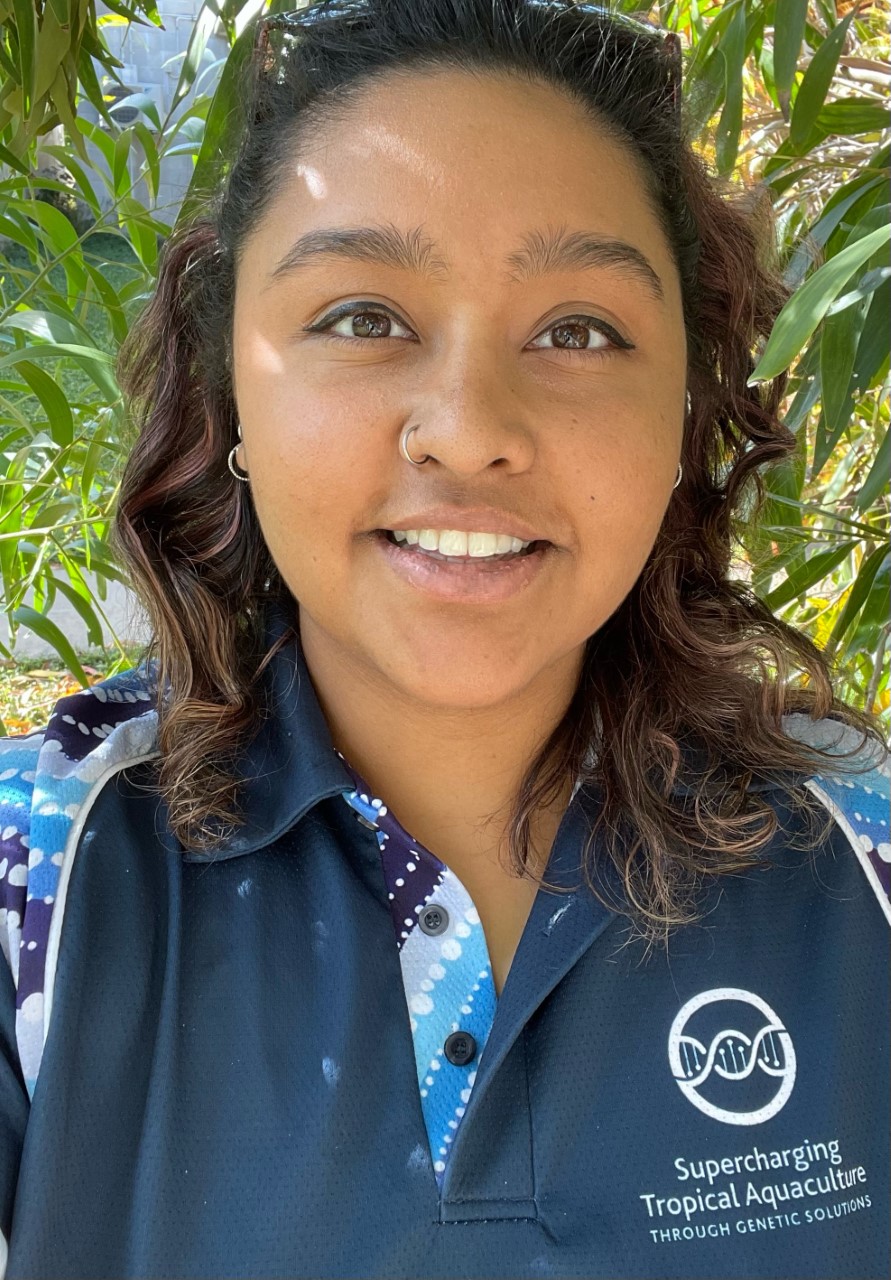
"I've been a tutor with the IERC since 2019, and I love being part of this strong community. I thoroughly enjoy being able to help my students through their learning journey and watch them grow into strong, independent academic successes. I have learnt so much from my experiences with the students and have created lifelong bonds with them in the process. The Academic and Student Support Team at the IERC has been nothing but supportive and really have the best interest of both the students and tutors in mind, making the IPAL program easy to navigate and as effective as it can be. My advice to any new tutor would be to take the time to understand your students and their needs, each one is different and your ability to be flexible with your tutoring style would make all the difference."
Varsha Balu
Indigenous Peer Assisted Learning Advisor
"After retiring from three decades of teaching across JCU, the Australian Government, British charities, and international language academies, I was drawn back to education four years ago to join the IERC and it’s been one of the most rewarding decisions of my life! Tutoring here has given me the chance to work with truly inspiring students, from a nursing student dedicated to hospice care to a law student committed to making the legal system accessible, and even a qualified carer supporting fellow haemophilia sufferers. Their passion and dedication remind me that the future is in safe hands. I've found the WillowSoft platform to be user-friendly - it allows you to communicate with students directly, keeping all tutoring information in one place."
Philip Cole
Indigenous Peer Assisted Learning Advisor

Have a question?
If you have any questions or would like to speak to one of our Academic Support Advisors about tutoring opportunities, please don’t hesitate to contact us.