Indigenous Education and Research Centre News and Events National Indigenous Learning Support Conference 2026 Program
- MRCMHR
- Future Students
- JCU Global Experience
- International Students
- Student experience
- Open Day
- How to apply
- Pathways to university
- Living on Campus
- Courses
- Publications
- Mature students
- Scholarships
- Entry options
- JCU Families
- JCU Heroes Programs
- Aboriginal and Torres Strait Islander in Marine Science
- Elite Athletes
- Defence
- Capability.Co
- AI@JCU
- AALL
- Current Students
- Student Ambassador Program
- New students
- JCU Orientation
- LearnJCU
- Placements
- EDQS
- Unicare Centre and Unicampus Kids
- Graduation
- Off-Campus Students
- JCU Job Ready
- Safety and Wellbeing
- JCU Prizes
- Professional Experience Placement
- Employability Edge
- Art of Academic Writing
- Art of Academic Editing
- Careers and Employability
- Health, Wellbeing and Belonging
- Career Ready Plan
- Careers at JCU
- Partners and Community
- School Outreach and Widening Participation
- Alumni
- International partnerships
- About JCU
- Reputation and Experience
- Chancellery
- Governance
- Celebrating 50 Years
- Academy
- Indigenous Engagement
- Education Division
- Research Festival
- Graduate Research School
- Research Division
- Research and Innovation Services
- CASE
- College of Business, Law and Governance
- College of Healthcare Sciences
- College of Medicine and Dentistry
- College of Science and Engineering
- MPE
- Anthropological Laboratory for Tropical Audiovisual Research (ALTAR)
- Rural Remote and Tropical Health Systems
- Agriculture Technology and Adoption Centre (AgTAC)
- Advanced Analytical Centre
- Australian Institute of Tropical Health and Medicine
- AMHHEC
- Aquaculture Solutions
- AMHRA
- JCU Digital Wellbeing Group
- ARCSTA
- Lions Marine Research Trust
- Australian Tropical Herbarium
- Australian Quantum & Classical Transport Physics Group
- Boating and Diving
- Clinical Psychedelic Research Lab
- Centre for Tropical Biosecurity
- Centre for Tropical Bioinformatics and Molecular Biology
- CITBA
- CMT
- Centre for Disaster Solutions
- CSTFA
- Cyclone Testing Station
- The Centre for Disaster Studies
- Daintree Rainforest Observatory
- Fletcherview
- JCU Eduquarium
- JCU Turtle Health Research
- MARFU
- Orpheus
- TESS
- JCU Ideas Lab
- CADSI
- CNL
- TARL
- eResearch
-
Indigenous Education and Research Centre
- Experience and prepare for uni
- Study with IERC at JCU
-
New and current students
- Students - Indigenous Peer Assisted Learning (IPAL) Tutoring Program
- Indigenous Student support staff and services
- Fees and financial support
- Making the move from home to JCU
- Getting ready for your first day
- Welcome to Orientation at the IERC
- Expand your social life and build your resume
- External and online students
- Exam preparation, support and tips
- Tutors - Indigenous Peer Assisted Learning (IPAL) Tutoring Program
- Information for families
- News and Events
- Scholarships
- Student Success Stories
- Research and Projects
- Indigenous Research Support Network
- About our centre
- Discover JCU's IERC
- Past Course and Subject Handbooks
- Estate
- Work Health and Safety
- Staff
- Discover Nature at JCU
- Cyber Security Hub
- Association of Australian University Secretaries
- Services Division
- Environmental Research Complex [ERC]
- Foundation for Australian Literary Studies
- Gender Equity at JCU
- Give to JCU
- Indigenous Legal Needs Project
- Inherent Requirements
- IsoTropics Lab
- IT Services
- JCU Webinars
- JCU Events
- JCU Motorsports
- JCU Sport
- Library
- Mabo Decision: 30 years on
- Marine Geophysics Laboratory
- Office of the Vice Chancellor and President
- Outstanding Alumni
- Policy
- PAHL
- Queensland Research Centre for Peripheral Vascular Disease
- Rapid Assessment Unit
- RDIM
- Researcher Development Portal
- Roderick Centre for Australian Literature and Creative Writing
- Contextual Science for Tropical Coastal Ecosystems
- State of the Tropics
- Strategic Procurement
- Student profiles
- SWIRLnet
- TREAD
- TropEco for Staff and Students
- TropCOVID: Mapping COVID-19 Immunity in Far North Queensland
- TUDLab
- VAVS Home
- WHOCC for Vector-borne & NTDs
- Media
- Copyright and Terms of Use
- Australian Institute of Tropical Health & Medicine
- JCU Respect
- Pay review
- Research
National Indigenous Learning Support Conference Program 2026
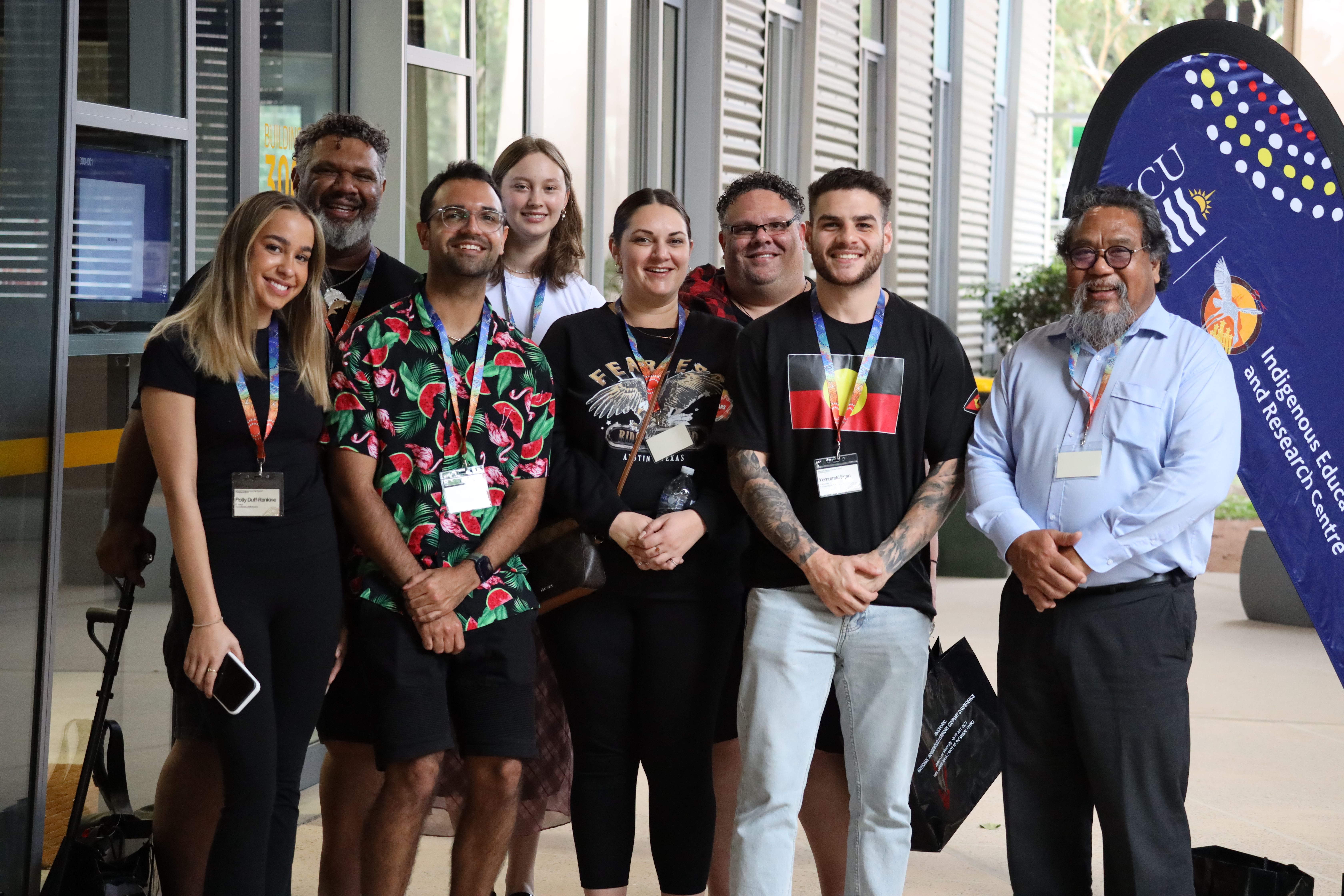
Join colleagues from across Australia at the National Indigenous Learning Support Conference 2026, hosted by the Indigenous Education and Research Centre at James Cook University.
This national gathering brings together Indigenous learning support leaders, practitioners and educators to share approaches that work, strengthen professional networks, and consider the future of Indigenous student success across the tertiary sector.
The program pairs forum sessions and plenary speakers with workshop streams drawn from practice, so delegates leave with ideas they can apply in their own institutions. Whether you are new to Indigenous student support or an experienced practitioner, NILSC 2026 is a chance to connect, collaborate, and contribute to the national conversations that support Aboriginal and Torres Strait Islander student achievement.
Wednesday 14 October - Pre-Conference
Indigenous Learning Support Services in the Emerging Tertiary System
This pre-conference forum is for Directors and Managers of Indigenous Learning Support Services to consider what the emerging tertiary sector will require of the services they lead. The Australian Tertiary Education Commission (ATEC), national attainment goals, managed growth, needs-based funding, institutional compacts and stronger connections between vocational and higher education are expected to increase participation and broaden the pathways through which Indigenous students enter and progress through tertiary study. The Minister for Education's call to double the number of Indigenous students at university within a decade, together with the Universities Accord's goal of participation parity by 2035, sets both the scale and the timeline of this change.
This forum will focus on what this all means for service planning, staffing and coordination as we prepare for larger, more diverse cohorts with changing learning needs, and strengthen the support that enables students to complete their qualifications.
| Time | Session | Location |
|---|---|---|
| 11:30 am – 12:00 pm | Directors and Managers Meet & Greet |
Engineering & Innovation Place Building 506 Room 117 |
| 12:00 pm – 1:00 pm | The Shift to a Tertiary Sector and What That Means for Indigenous Centres? | |
| 1:00 pm – 2:00 pm | Lunch | |
| 2:00 pm – 4:30 pm | Key Discussion Points: 1. How must Indigenous learning-support services evolve? 2. What will doubling Indigenous participation require? 3. What can Directors and Managers do to achieve the desired results in 2035? |
Wednesday 14 October - Registration & Networking Event
| Time | Session | Location |
|---|---|---|
| 4:30 pm | Registration desk opens |
Indigenous Education & Research Centre Building 301 Courtyard |
| 4:30 pm – 6:00 pm | Welcome and networking event for conference delegates - Join us for canapés and drinks. |
Thursday 15 October - Day 1
Morning Program
| Time | Session | Location |
|---|---|---|
| 9:00 am – 9:15 am | Welcome and Housekeeping - Mrs Manola Chong |
The Science Place Building 142 Room 111 |
| 9:15 am - 9:30 am | Welcome to Country - Samuel Savage (Bindal Traditional Owner) | |
| 9:30 am – 10:30 am |
Plenary Presentations - Prof Braden Hill (ECU) Changing Dimensions of a Higher Education Sector to a Tertiary Sector | |
| 10:30 am – 11:00 am | Morning Tea |
The Science Place Building 142 - Green Conference Marquee |
| 11:00 am – 12:00 pm |
Plenary Presentations - Prof Martin Nakata (JCU) How to Meet the Minister's Call to Double our Numbers by 2035 |
The Science Place Building 142 Room 111 |
| 12:00 pm - 1:00 pm | Lunch Break |
The Science Place Building 142 - Green Conference Marquee |
Afternoon Program
| Time | Workshop 1 Building 142, Room 020/021 (max. 64) | Workshop 2 Building 142, Room 023 (max. 48) | Workshop 3 Building 142, Room 033 (max. 30) |
|---|---|---|---|
| 1:00 pm - 2:00 pm | Title: Sharing the Responsibility for Indigenous Student Success - Trialling a Whole of University Approach Presenter: Mr Stuart Allen (UniSC) | Title: Growing Learner Capability, Strengthening Student Success Presenter: Ms Jodi Haines (UTas) | Title: Boordawan (Futures) through Success Modelling Presenter: Prof Chanelle van den Berg (Murdoch Uni) |
View Abstract HereThis session will look at what a people-centric, strengths-based approach as implemented at UniSC. While we often talk about a strengths-based approach, metrics often focus heavily on a deficit model and actions lean that way. This model leans in to a genuine strengths-based approach to improve levels of engagement. | View Abstract HereHighlights the Murina pathway program's culturally grounded pedagogy, community engagement and holistic student support model. | View Abstract HereExploring what First Nations student success looks like and how culture, belonging, identity, academic capability and strong relationships can support students to succeed and thrive throughout their university journey. | |
| 2:00 pm - 3:00 pm | Title: NIKERI's Community Based Delivery Models Presenter: Prof Karinda Burns and Ms Natasha Rossington (Deakin NIKERI) | Title: Supporting Success in Pathways Presenter: Ms Janaya Barry (JCU IERC) | Title: Listening, Learning, Responding: Seven Years of Student Voice at Kurongkurl Katitjin Presenter: Ms Keneasha Lindsay (ECU) |
View Abstract HereNIKERI's community based delivery model and the role away from base funding in supporting culturally safe, flexible and community centred higher education for ATSI students. | View Abstract HereThis workshop explores strategies for supporting students enrolled in enabling and pathway programs as they transition into higher education. Participants will gain insights into common challenges faced by pathway students, approaches to building confidence and belonging, and practical support initiatives that help students progress successfully into undergraduate study. | View Abstract HereStudent feedback plays an important role in shaping responsive and student-centred support services. For Aboriginal and Torres Strait Islander students, opportunities to share their perspectives can provide valuable insight into their experiences of university services and highlight areas of success, emerging needs and opportunities for improvement. ECU’s Kurongkurl Katitjin Student Satisfaction Survey captures student perspectives over a seven year period on the Centre and wider ECU services, providing an important source of information to guide service delivery and practice. Drawing on survey results, this presentation highlights key trends in student satisfaction and demonstrates how student voice has informed the development and refinement of initiatives currently delivered through Kurongkurl Katitjin, supporting an ongoing commitment to responsive and student-centred practice. | |
| 3:00 pm - 4:00 pm | Title: Reflections on the Kurongkurl Katitjin Student Success Journey Presenter: Ms Tracey Taraia (ECU) | Title: Lean In, Stand Back, Lean Out: Matching Tutors to Learners Presenter: Mr Haryne Uta (JCU IERC) | Title: Beyond Pathways: Building a Culturally Responsive First Nations Teacher Education Model Presenter: Ms Larissa Pickalla, Ms Rykia Blanco and Ms Heidi Blacker (CDU) |
View Abstract HereStudent success is strengthened when culturally responsive relationships are supported by coordinated systems, meaningful partnerships and the voices of students themselves. For Aboriginal and Torres Strait Islander students, the transition into and through higher education can be influenced by a range of factors, including navigating unfamiliar university systems, balancing study with family and community responsibilities, and accessing timely and appropriate support. As student cohorts become increasingly diverse and dispersed across campuses and online environments, universities must continue to evolve their approaches to student engagement and success. This presentation reflects on Kurongkurl Katitjin's evolving Student Success Journey at Edith Cowan University and the development of a holistic, student-centred approach designed to strengthen connection, belonging and educational outcomes for Aboriginal and Torres Strait Islander students. It explores the opportunities and challenges associated with building a more proactive, evidence-informed and coordinated approach to student support, while maintaining culture, relationships and student voice at its centre. | View Abstract HereThis session presents two linked innovations in tutoring for Indigenous students. The first is a lean in, stand back, lean out strategy, which sets the register and level of tutor engagement according to each learner's capacity and stage of study. Commencing students, for example, respond better to a leaning-in approach, with tutors stepping back as independence grows. The second matches tutors to each phase of this strategy by disposition. Some tutors excel at working through detail step by step, suited to leaning in, while others are strongest with abstract concepts and theory, suited to students ready for greater independence. Both are supported by early diagnosis and intervention, drawing on data that sharpen the focus on particular learning areas, including knowledge of the subjects that have historically challenged Indigenous students. | View Abstract HereThe First Nations Training and Teacher Education Hub at Charles Darwin University is rethinking how First Nations educators access, participate in and succeed in higher education, particularly in regional and remote communities. This presentation explores the Hub's culturally responsive approach to teacher education, highlighting its pathways, student demographics, enrolment and progression data, and integrated student support model. Central to this approach are three interconnected principles: flexibility within institutional systems and learning environments; advocacy to challenge systemic barriers; and building trust, relationships and partnerships between students, communities, educators and institutional stakeholders. Drawing on emerging evidence and practical experiences, the presentation examines how interdisciplinary staffing, First Nations academic leadership and adaptive student support can strengthen participation, retention and progression. It also considers the gradual release of responsibility as students develop confidence, capability and independence. Ultimately, the presentation argues that First Nations student success requires more than supporting students to navigate university systems; it requires universities to transform their systems to better respond to First Nations learners. | |
| 4:00 pm - 4:45 pm | Closing Remarks - Prof Mark Rose (ATEC Commissioner) Location: Building 142, Room 111 | ||
| 6:00 pm - 9:00 pm | Conference Dinner - The Ville Resort - Casino, The Pavilion Ballroom Sir Leslie Thiess Dr, Townsville City QLD 4810 | ||
Friday 16 October - Day 2
Morning Program
| Time | Session | Location |
|---|---|---|
| 9:00 am – 9:05 am | Welcome and Housekeeping - Mrs Manola Chong |
The Science Place Building 142 Room 111 |
| 9:05 am – 10:15 am |
Plenary Presentations - Prof Chanelle van den Berg (Murdoch Uni) The Emerging Tertiary Sector and Transitioning the Indigenous student services at Kulbardi, Murdoch University | |
| 10:15 am – 11:00 am | Group Photo and Morning Tea |
The Science Place Building 142 - Green Conference Marquee |
| 11:00 am – 12:00 pm |
Plenary Presentations - WillowSoft Pty Ltd Evidence-Based Learning Support Systems |
The Science Place Building 142 Room 111 |
| 12:00 pm - 1:00 pm | Lunch Break |
The Science Place Building 142 - Green Conference Marquee |
Afternoon Program
| Time | Workshop 1 Building 142, Room 020/021 (max. 64) | Workshop 2 Building 142, Room 022 (max. 48) | Workshop 3 Building 142, Room 023 (max. 48) |
|---|---|---|---|
| 1:00 pm - 2:00 pm | Title: Boordawan (Futures) through Pathways Presenter: Prof Chanelle van den Berg (Murdoch Uni) | Title: More Than a Sausage Sizzle: Building Indigenous Student Success from the Ground Up Presenter: Mr Graham Moore (UniSyd) | Title: Case Management Approaches for Higher Retention and Completion Presenter: WillowSoft Pty Ltd |
View Abstract HereExploring how we strengthen culturally informed pathways into university through schools, communities and enabling programs, and how we support students to transition into higher education. | View Abstract HereEveryone sees the sausage sizzle, but not always the planning behind the production. This presentation explores how the University of Sydney's DVC Indigenous Strategy and Services Portfolio brings together the Strategy Team and the Gadigal Centre to strengthen Aboriginal and Torres Strait Islander student success. Through a blend of strategy, data, partnerships and student support, we'll share practical lessons on driving institutional change while keeping students at the centre. | View Abstract HereThis workshop shares the experience of a case management approach that doubled graduate numbers within four years. We show how needs assessment at entry, individual learning plans, early tutor support, coordinated referral and sustained progress monitoring, informed by leading datasets, allowed staff to act early and keep students progressing towards completion. We also reflect on what worked, what needed rethinking along the way, and the lessons most transferable to institutions considering a similar path. | |
| 2:00 pm - 3:00 pm | Title: Student Engagement and Proactive Planning at JCU Presenter: Ms Andrea Geary, Ms Melissa Mallie (JCU IERC) | Title: Indigenous Student Success Presenter: Dr Andrew Zint (Curtin Uni) | Title: ECU's Kurongkurl Katitjin's Global Indigenous Learning Experience Presenter: Ms Shayna Daniels (ECU) |
View Abstract HereThis presentation explores how data-informed decision-making is used to enhance student engagement and success at James Cook University. Through the analysis of student support, engagement and academic progression data, proactive intervention plans are developed to identify and respond to emerging issues and student needs. The presentation highlights practical approaches to using evidence to guide targeted support strategies, improve service delivery, and strengthen student outcomes. | View Abstract HereThis presentation is based on my PhD research, which was a critical analysis of knowledge transfer and the way institutional documentation can shape engagement between institutions and Indigenous people. | View Abstract HereThe Global Indigenous Learning Experience is a collaborative international program between Indigenous Student Services at Kwantlen Polytechnic University (Canada) and Kurongkurl Katitjin at Edith Cowan University (Australia). Through a five-week reciprocal learning experience, Indigenous students engage in online cultural exchange, international travel, and community hosting, creating opportunities to explore the similarities and differences between Aboriginal and Torres Strait Islander Peoples and Indigenous Peoples in Canada. Students participate in sessions led by Elders, scholars, and community leaders, exploring language, culture, history, identity, and place. The program aims to strengthen cultural identity, foster global Indigenous networks, and develop intercultural understanding through relationship-based learning. This presentation will share the program model, key learnings, and the impact of international Indigenous exchange programs in supporting student leadership, connection to culture and belonging while demonstrating the value of Indigenous-to-Indigenous engagement within higher education. | |
| 3:00 pm - 4:00 pm | Title: Culturally Safe Career Pathways Presenter: Mr Levi Foster (RMIT) | Title: Learning Support Services and Success at Bond University Presenter: Mr Duane Brown (Bond Uni) | Title: IERC Learning Support Model for Success Presenter: Mrs Manola Chong (JCU IERC) |
View Abstract HereThis presentation explores how Indigenous students transition from study into employment through culturally safe industry partnerships. It examines preparing employers to support Indigenous staff, providing ongoing student support, and ensuring placements build career pathways rather than fill labour needs. Key themes include partnership development, continuous feedback, cultural safety, and sustainable, cohort-based engagement. | View Abstract HereThis presentation explores the key approaches that have contributed to Indigenous student success at Bond University through the work of the Nyombil Centre. Focusing on the importance of listening, building authentic relationships, and providing practical, student-centred support, the session will highlight strategies that foster belonging, resilience, engagement, and academic achievement. The presentation will also discuss the value of celebrating student success and creating sustainable staff practices that support both student outcomes and team wellbeing. Attendees will gain practical insights into strengthening Indigenous student support services through relationship-based and culturally responsive approaches. | View Abstract HereParticipants will explore practical strategies, systems and lessons learned that can be adapted for students to succeed throughout their university journey. | |
| 4:00 pm - 4:45 pm | Closing Remarks - Prof Martin Nakata (JCU)
Location: Building 142, Room 111 | ||
| 5:00 pm | Conference Close | ||