
Indigenous Education and Research Centre Research and Projects Growing Confident Learners Learning with Family
Learning with Family
- MRCMHR
- Future Students
- JCU Global Experience
- International Students
- Student experience
- Open Day
- How to apply
- Pathways to university
- Living on Campus
- Courses
- Publications
- Mature students
- Scholarships
- Entry options
- JCU Families
- JCU Heroes Programs
- Aboriginal and Torres Strait Islander in Marine Science
- Elite Athletes
- Defence
- Capability.Co
- AI@JCU
- AALL
- Current Students
- Student Ambassador Program
- New students
- JCU Orientation
- LearnJCU
- Placements
- EDQS
- Unicare Centre and Unicampus Kids
- Graduation
- Off-Campus Students
- JCU Job Ready
- Safety and Wellbeing
- JCU Prizes
- Professional Experience Placement
- Employability Edge
- Art of Academic Writing
- Art of Academic Editing
- Careers and Employability
- Health, Wellbeing and Belonging
- Career Ready Plan
- Careers at JCU
- Partners and Community
- School Outreach and Widening Participation
- Alumni
- International partnerships
- About JCU
- Reputation and Experience
- Chancellery
- Governance
- Celebrating 50 Years
- Academy
- Indigenous Engagement
- Education Division
- Research Festival
- Graduate Research School
- Research Division
- Research and Innovation Services
- CASE
- College of Business, Law and Governance
- College of Healthcare Sciences
- College of Medicine and Dentistry
- College of Science and Engineering
- MPE
- Anthropological Laboratory for Tropical Audiovisual Research (ALTAR)
- Rural Remote and Tropical Health Systems
- Agriculture Technology and Adoption Centre (AgTAC)
- Advanced Analytical Centre
- AMHHEC
- Aquaculture Solutions
- AMHRA
- JCU Digital Wellbeing Group
- ARCSTA
- Lions Marine Research Trust
- Australian Tropical Herbarium
- Australian Quantum & Classical Transport Physics Group
- Boating and Diving
- Clinical Psychedelic Research Lab
- Centre for Tropical Biosecurity
- Centre for Tropical Bioinformatics and Molecular Biology
- CITBA
- CMT
- Centre for Disaster Solutions
- CSTFA
- Cyclone Testing Station
- The Centre for Disaster Studies
- Daintree Rainforest Observatory
- Fletcherview
- JCU Eduquarium
- JCU Turtle Health Research
- MARFU
- Orpheus
- TESS
- JCU Ideas Lab
- CADSI
- CNL
- TARL
- eResearch
-
Indigenous Education and Research Centre
- Experience and prepare for uni
- Study with IERC at JCU
-
New and current students
- Students - Indigenous Peer Assisted Learning (IPAL) Tutoring Program
- Indigenous Student support staff and services
- Fees and financial support
- Making the move from home to JCU
- Getting ready for your first day
- Welcome to Orientation at the IERC
- Expand your social life and build your resume
- External and online students
- Exam preparation, support and tips
- Tutors - Indigenous Peer Assisted Learning (IPAL) Tutoring Program
- Information for families
- News and Events
- Scholarships
- Student Success Stories
- Research and Projects
- Indigenous Research Support Network
- About our centre
- Discover JCU's IERC
- Past Course and Subject Handbooks
- Estate
- Work Health and Safety
- Staff
- Discover Nature at JCU
- Cyber Security Hub
- Association of Australian University Secretaries
- Services Division
- Environmental Research Complex [ERC]
- Foundation for Australian Literary Studies
- Gender Equity at JCU
- Give to JCU
- Indigenous Legal Needs Project
- Inherent Requirements
- IsoTropics Lab
- IT Services
- JCU Webinars
- JCU Events
- JCU Motorsports
- JCU Sport
- Library
- Mabo Decision: 30 years on
- Marine Geophysics Laboratory
- Office of the Vice Chancellor and President
- Outstanding Alumni
- Policy
- PAHL
- Queensland Research Centre for Peripheral Vascular Disease
- Rapid Assessment Unit
- RDIM
- Researcher Development Portal
- Roderick Centre for Australian Literature and Creative Writing
- Contextual Science for Tropical Coastal Ecosystems
- State of the Tropics
- Strategic Procurement
- Student profiles
- SWIRLnet
- TREAD
- TropEco for Staff and Students
- TropCOVID: Mapping COVID-19 Immunity in Far North Queensland
- TUDLab
- VAVS Home
- WHOCC for Vector-borne & NTDs
- Media
- Copyright and Terms of Use
- Australian Institute of Tropical Health & Medicine
- JCU Respect
- Pay review
- Research
Growing Confident Learners
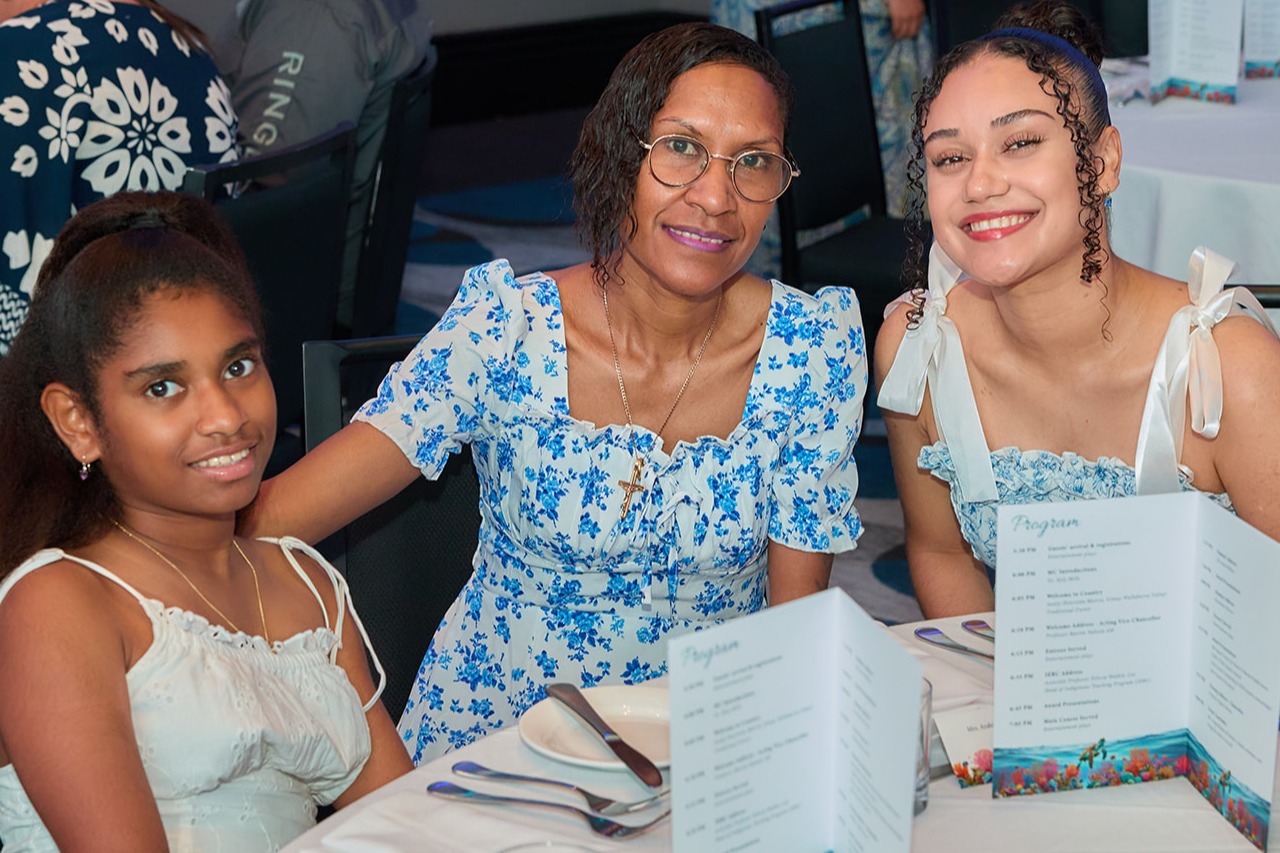
Every learner develops through the experiences, knowledge, relationships and opportunities that shape their journey. Success is about more than what someone knows. It is built through confidence, persistence, problem-solving and a willingness to keep learning.
Whether you're a parent, family member, teacher or community member, you play an important role in supporting that journey. Explore practical ideas, resources and pathways that help learners build confidence and capability for the future.
Supporting Learning at Home
Some of the most important things families can do are ask questions, encourage curiosity, listen, share experiences and help children build confidence when they face challenges.
The ideas below focus on practical ways to support learning at home, whether your child is just starting school or preparing for what comes next.
What if I don't know the content?
You don't need to know all the answers to help your child learn.
Many parents and carers worry that they won't be able to support their child if they don't understand the homework, didn't enjoy school themselves, or learned things differently when they were growing up. That's completely normal.
One of the most valuable things you can do is show interest in what they're learning. Ask questions, encourage them to explain their thinking and celebrate their effort when they try something new.

You can try asking:
- Can you show me how you worked that out?
- What do you think the answer might be?
- Can you teach me what you've learned?
These conversations help children build confidence, communication skills and a deeper understanding of what they are learning.
Learning isn't about knowing everything. It's about staying curious and continuing to learn together.
Learning Beyond the Classroom
Learning happens everywhere.
Cooking dinner, shopping, playing sport, reading together or talking about the day all create opportunities for children to ask questions, solve problems and build confidence.
Everyday experiences help children develop curiosity, persistence and communication skills.
Supporting Learning at Different Stages
Children grow, learn and develop in different ways and at different rates. While every learner's journey is unique, there are some common skills, habits and experiences that help build confidence and support learning over time.
The ideas below highlight simple ways families can encourage curiosity, independence and a love of learning at different stages of school.
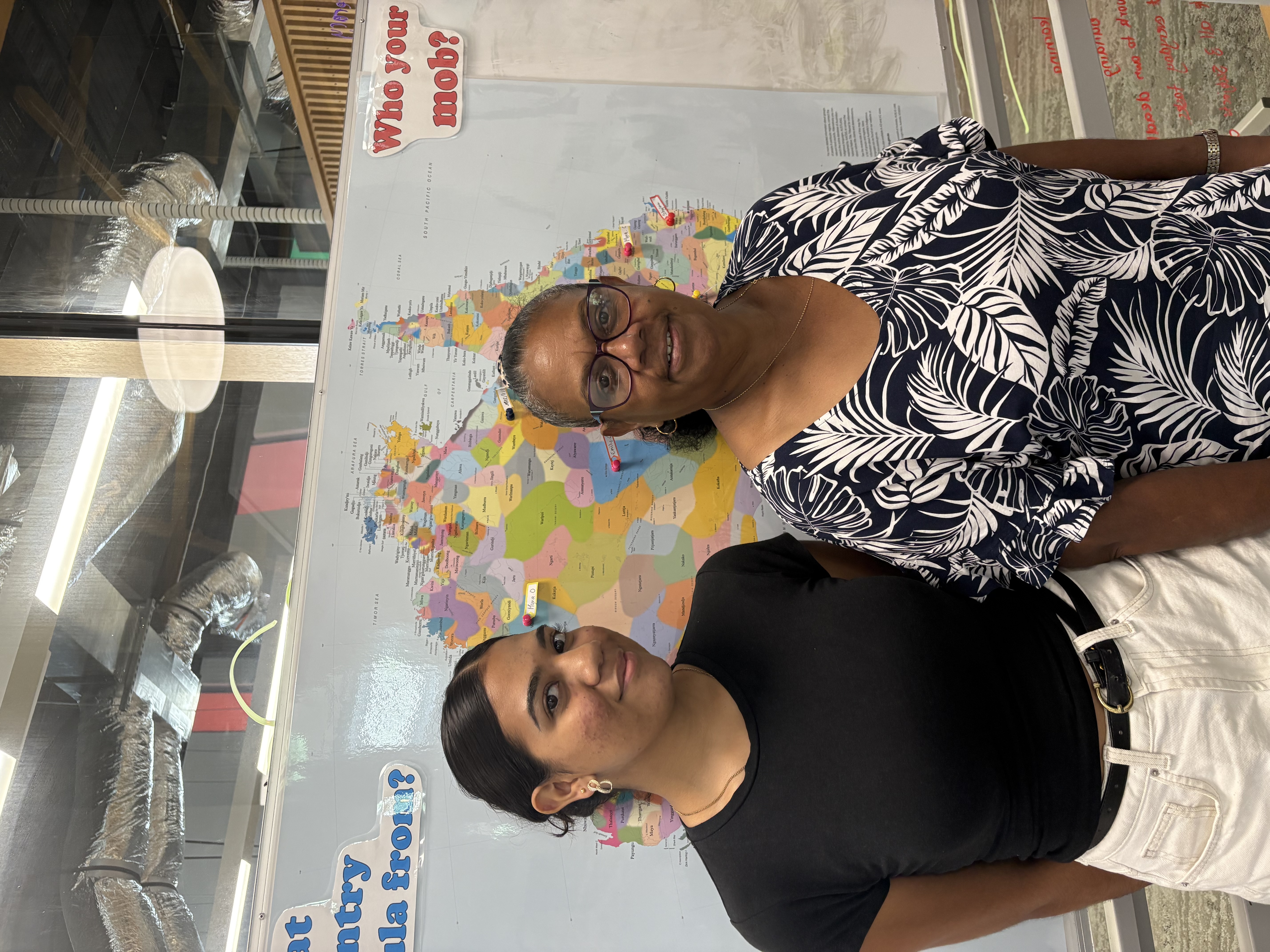
Reading together, talking about everyday experiences and encouraging questions help children build curiosity and confidence.
As children grow, everyday opportunities to solve problems, make decisions and reflect on their learning help build independence.
Encourage organisational skills, persistence and confidence to help young people manage new routines and expectations.
Conversations about interests, goals and future pathways help young people connect learning with the opportunities ahead.
Keep this Guide Handy
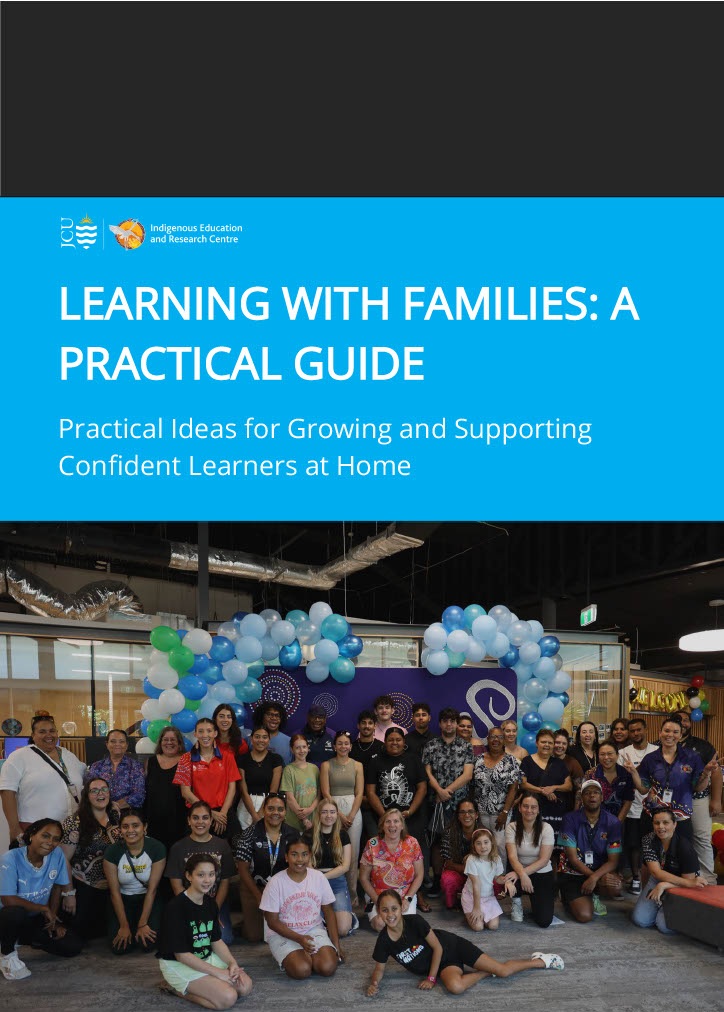
Prefer something you can save or print? Our Family Learning Guide brings together the key ideas, conversation starters and practical tips from this page in one easy-to-use resource you can return to whenever you need it.
Ready to Explore Learning Together?
The ideas on this page can be used anytime, anywhere to help children grow as confident learners.
If you're looking for curriculum-linked activities that connect with what your child is learning at school, explore our Family Learning Activities page. You'll find downloadable science and mathematics resources organised by year level and topic.
Continue Supporting Learning
Every family brings their own experiences, strengths and aspirations. There is no single way to support learning, and every learner's path will look different. You don't have to have all the answers.
The Indigenous Education and Research Centre works alongside students, families and communities to help create opportunities for learning, growth and future success.
If you'd like to learn more about our programs, pathways or support services, we'd love to hear from you.